
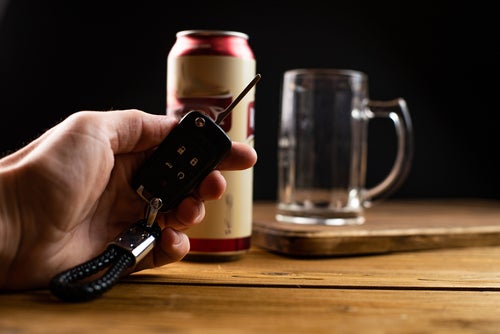
A first-time DUI charge under California Vehicle Code 23536 may appear manageable at first glance, but the reality is far more severe. Even for first-time offenders, this statute mandates jail time, significant fines, and a license suspension that can disrupt employment and everyday responsibilities. Failing to understand the full consequences of a conviction can lead to long-term legal, financial, and personal setbacks.
Understanding California Vehicle Code 23536
Vehicle Code 23536 establishes the baseline penalties for first-time DUI convictions in California. It combines incarceration, financial penalties, and driving restrictions to deter impaired driving and protect public safety. What many defendants do not realize is that even a first offense can result in a permanent criminal record and ripple effects that last for years.
Penalties for a First DUI Conviction in California
Mandatory Jail Time
California law mandates incarceration for a first DUI offense. Without probation, offenders face 96 hours to six months in jail. If probation is granted, the minimum jail term may be reduced to 48 hours. While the probation option can mitigate some of the harshness, there is no complete avoidance of jail time under VC 23536. This requirement highlights the importance of developing a defense strategy that aims to minimize incarceration.
Financial Costs
The statute sets fines between $390 and $1,000. However, additional court assessments and penalty surcharges can elevate total costs to over $3,000 or more. The California DUI program licensing system also imposes significant fees, increasing the financial burden even further. These financial penalties often surprise first-time offenders who initially focus only on the base fine.
License Suspension
A conviction under VC 23536 triggers an automatic driver's license suspension by the California DMV. This suspension occurs independently of the court process and can lead to a serious transportation crisis. Defendants must navigate both the criminal charges and the administrative DMV hearing. Understanding how to fight a DUI license suspension in California is essential for retaining driving privileges.
Additional Penalties and Long-Term Consequences
DUI Program Enrollment
As a condition of probation, most offenders must complete a state-approved DUI education program. These programs typically last three months and include both educational and counseling components. Failure to complete the program can result in probation violations and further license consequences.
Restricted License Limitations
While some offenders may apply for a restricted driver's license, this option is not guaranteed. Under Vehicle Code 23538, courts may prohibit restricted license issuance if the defendant is deemed a risk to public safety. In such cases, understanding California vehicle impoundment for DUI violations and alternative transportation strategies becomes essential for maintaining stability during the suspension period.
Legal Defenses to a First-Time DUI Charge
Unlawful Traffic Stop
Every DUI arrest begins with a traffic stop. If the officer lacked reasonable suspicion to pull the vehicle over, any evidence obtained thereafter may be inadmissible. Reviewing dashcam footage and police reports is a key part of challenging the legality of the stop.
Improper Field Sobriety or Chemical Testing
Field sobriety tests and breathalyzer results are often central to DUI cases. These tests are subject to strict procedural and calibration requirements. If those standards are not met, the results can be challenged. Blood test chain-of-custody issues or improperly trained operators may also undermine the prosecution's evidence.
Rising Blood Alcohol Defense
California law punishes drivers whose BAC was 0.08% or higher while operating the vehicle. If alcohol absorption occurred after the stop but before the test, it may create a valid defense. This is known as the “rising BAC” defense and can be especially useful when the driver had their last drink shortly before getting into the vehicle.
Medical Conditions and Testing Errors
Medical conditions such as acid reflux, diabetes, or dietary issues can distort BAC readings. Medications and health conditions may also interfere with breath test reliability. In these cases, an experienced defense attorney may introduce expert testimony or medical records to cast doubt on test results.
Relevant Case Law and Judicial Insights
People v. Mitchell
This case clarified how base fines under VC 23536 can balloon due to court-imposed penalties and assessments. Courts must consider a defendant's financial status when imposing fines, but failure to argue for financial hardship can result in overwhelming obligations.
People v. Billy and People v. Canty
These decisions explore how courts evaluate sentencing and probation eligibility under DUI statutes. They provide defense attorneys with important precedents to argue for minimum penalties, alternative sentencing, or favorable probation terms.
Long-Term Impacts of a First DUI Conviction
Employment Risks
Many employers conduct background checks. A DUI conviction—even a misdemeanor—can limit job opportunities or result in termination, especially in industries involving driving, childcare, government, or healthcare.
Professional Licensing Consequences
Doctors, nurses, teachers, and other licensed professionals may face disciplinary actions following a DUI conviction. State licensing boards often impose mandatory reporting and may initiate investigations that affect long-term career prospects.
Insurance Costs
DUI convictions can lead to dramatic auto insurance premium increases. Some carriers may cancel policies altogether, forcing drivers into high-risk pools where premiums may triple. These costs are often overlooked when evaluating the long-term impact of a DUI conviction.
Immigration Challenges
For non-citizens, even a first DUI conviction can jeopardize visa renewals, green card eligibility, or lead to removal proceedings. When the case involves injuries, minors, or aggravating factors, immigration consequences become even more severe. Foreign nationals must consult with defense counsel experienced in immigration-sensitive DUI cases.
Why You Need a Skilled DUI Defense Attorney
Many first-time offenders believe pleading guilty is the fastest way to resolve a DUI case. This belief often leads to harsh consequences that could have been avoided through legal advocacy. A knowledgeable DUI attorney can evaluate evidence, identify procedural violations, and negotiate reduced charges or alternative sentencing.
From defending against flawed breathalyzer results to protecting your license in DMV hearings, experienced representation ensures that all defense options are explored. With early intervention, it is sometimes possible to prevent charges from being filed or to secure outcomes that avoid mandatory jail time altogether.
First DUI Offense Defense Lawyers in California
At Bulldog Law, we understand that a first DUI charge can be life-altering. Our attorneys have extensive experience handling Vehicle Code 23536 cases and protecting the rights of first-time offenders. Whether you are navigating license suspension, court proceedings, or DUI program requirements, our team will fight to reduce penalties and protect your future. Contact Bulldog Law today for a personalized, aggressive defense tailored to your unique situation.