
By the The Bulldog Law Criminal Defense Team • Reviewed by a licensed California criminal defense attorney
Penal Code § 186.22 does two things: subsection (a) makes ACTIVE PARTICIPATION in a criminal street gang its own wobbler (16 months to 3 years), and subsection (b) the famous one ENHANCES any felony committed for the benefit of, at the direction of, or in association with a gang, with specific intent to promote its criminal conduct: +2, 3, or 4 years generally, +5 for serious felonies, +10 for violent ones.But the law you may remember is not the law today: Assembly Bill 333 (effective 2022) rebuilt the enhancement's foundations in the defense's favor raising what prosecutors must prove and giving defendants a separate trial on the gang question. This guide from The Bulldog Law's criminal defense team explains the modern elements, the AB 333 attack points, and why gang allegations are more beatable now than at any time in thirty years.
What Prosecutors Must Prove After AB 333
- A “criminal street gang” an ORGANIZED group whose members collectively engage in a pattern of criminal activity loose association is no longer enough.
- The pattern (predicate offenses) two or more qualifying crimes committed by gang MEMBERS (not mere associates), the most recent within 3 years, that COMMONLY BENEFITED the gang in a way that was more than reputational and the currently charged offense cannot serve as its own predicate. Each requirement is an AB 333 upgrade, and each is a place prosecutions now fail.
- The nexus the charged felony was committed for the gang's benefit, at its direction, or in association with members, WITH specific intent to promote the gang's criminal conduct not merely by a person who happens to have a gang history.
AB 333's procedural gift is PC § 1109: on request, the gang allegation is tried SEPARATELY from the underlying charge so juries deciding a robbery no longer marinate in gang photos, tattoos, and expert narratives before deciding guilt. Bifurcation requests are now near-automatic defense practice.
How Gang Cases Are Actually Built and Attacked
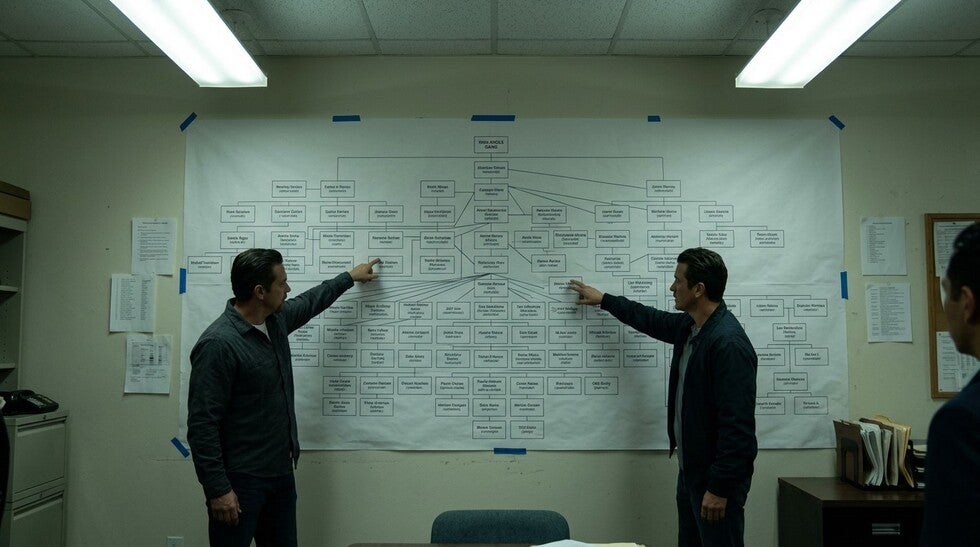
The prosecution's engine is the police “gang expert”: an officer who interprets tattoos, clothing, neighborhoods, and social media into membership and motive.The modern defense meets it head-on: cross-examining the expert's database-driven assumptions (field-interview cards, outdated CalGang entries, guilt-by-photo associations), demanding the AB 333 predicates with specificity real crimes, by proven members, with proven common benefit beyond “respect” and separating the client's neighborhood and history from the SPECIFIC INTENT the statute requires for THIS crime.
Growing up somewhere is not an intent; knowing people is not a direction; and a personal dispute between individuals who have gang histories is not automatically gang-motivated. The stakes justify the fight: enhancements stack atop counts like robbery and firearm offenses to double sentences, and § 186.22 findings poison bail, plea posture, and parole for years. AB 333 applies retroactively to non-final cases and old convictions built on the pre-2022 standards are being challenged through appeals and post-conviction relief.
Frequently Asked Questions
How many years does a gang enhancement add?
Generally 2, 3, or 4 years consecutive; 5 years if the underlying felony is serious; 10 if it's violent on top of the base sentence, and alongside any firearm or GBI enhancements. The substantive participation offense (186.22(a)) separately carries 16 months to 3 years. Courts retain discretion to strike enhancements in the interest of justice, and post-AB 333, negotiating or litigating the gang allegation away is often the single largest sentence reduction available in the case.
Can I get a gang enhancement if I'm not a gang member?
Technically yes the enhancement targets crimes committed ‘in association with' or ‘for the benefit of' a gang with the required intent, not membership itself but AB 333 tightened every link: the predicates must come from actual MEMBERS, the benefit must be concrete and common to the gang, and your specific intent to promote its criminal conduct must be proven for the charged crime. Mere presence with members, shared neighborhoods, and old photos no longer carry the weight they did. Non-member cases are exactly where the modern enhancement fails most often.
What did AB 333 change?
Nearly everything that made gang allegations easy: reputational ‘benefit' no longer counts (the advantage must be more than respect or status); predicates must be crimes by members that commonly benefited the gang, with the current offense excluded; the gang must be an organized collective; looser ‘pattern' shortcuts are gone; and PC 1109 lets defendants try the gang allegation separately so it can't prejudice the underlying verdict. It applies retroactively to non-final cases, and it has converted § 186.22 from a near-automatic add-on into a genuinely contestable allegation.
Should the gang allegation be tried separately from my case?
Almost always request it. Bifurcation under PC 1109 keeps gang evidence experts, photos, tattoos, lyrics out of the jury room while your actual guilt is decided, removing the prejudice that historically convicted marginal cases. The gang phase then only occurs if there's a conviction, before a jury that hasn't pre-judged you. Strategic exceptions exist, but they're rare and counsel-driven. If your case predates trial, ask your lawyer about 1109; if you were convicted before these protections, ask about retroactivity and post-conviction options.
For decades the gang allegation convicted people the evidence couldn't AB 333 rebalanced the fight, but only for defendants whose lawyers use it. The Bulldog Law's criminal defense team litigates § 186.22 allegations, bifurcation, and retroactive challenges across California. Contact the firm online or call (888) 928-1609.