
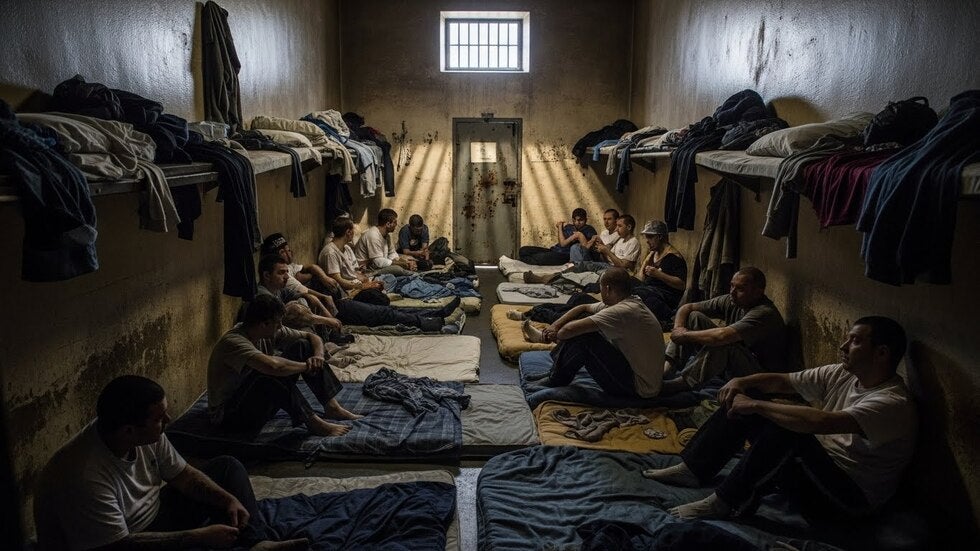
How Inadequate County Jail Conditions Affect Criminal Defense and Inmate Safety
California's county jail system faces a persistent crisis that directly impacts the lives of thousands of individuals awaiting trial or serving sentences. Legislative findings from state law acknowledge that numerous county jails and juvenile facilities throughout California remain dilapidated and overcrowded despite decades of reform efforts. These conditions raise serious concerns about constitutional rights, public safety, and the treatment of individuals in custody.
For those facing criminal charges or currently detained in county facilities, understanding how jail conditions affect your legal rights is essential. At Bulldog Law, we represent clients whose cases are impacted by inadequate detention facilities and fight to ensure that overcrowded or unsafe conditions do not compound the challenges of criminal proceedings.
The Historical Context of California's Jail Overcrowding Problem
California recognized the severity of its jail overcrowding crisis decades ago. The County Jail Capital Expenditure Bond Acts of 1981 and 1984 represented early legislative attempts to address critically overcrowded conditions in the state's 164 county jail facilities. While these initiatives helped eliminate some of the most severe overcrowding, significant problems have persisted.
The state's own legislative findings acknowledge that capital improvements remain necessary to protect the life and safety of persons confined or employed in jail facilities. These improvements are also essential for upgrading the health and sanitary conditions that affect everyone within these institutions.
The scope of the problem extends beyond adult facilities. Juvenile detention centers throughout California also struggle with inadequate infrastructure, creating concerning conditions for young people in custody. These facilities often lack the resources needed to provide appropriate programming, education, and mental health services that juveniles require.
Why County Jails Remain Overcrowded and Dangerous
Several interconnected factors contribute to the ongoing crisis in California's detention facilities. Understanding these root causes helps explain why individuals in custody continue facing unsafe and unconstitutional conditions.
Financial Constraints: Counties lost substantial local property tax revenues through various tax limitation measures and state budget reallocations. These fiscal constraints have left counties unable to finance the construction of adequate jail and juvenile facilities using local resources alone. Without sufficient funding, essential maintenance and expansion projects remain incomplete or never begin.
Population Pressures: Local facilities for adults and juveniles consistently operate over capacity, and populations in these facilities continue increasing. This growth stems from various factors including arrest patterns, pretrial detention practices, sentencing policies, and challenges in accessing alternatives to incarceration.
Threat of Closure: Many county jails face threats of closure or court supervision if health and safety deficiencies are not corrected. These threats create urgent situations where facilities must choose between addressing immediate safety violations or managing overcrowding, often unable to adequately address both simultaneously.
Delayed Construction: Even when funding becomes available, construction of new facilities cannot proceed quickly enough to keep pace with population growth and deteriorating existing infrastructure. The public safety implications of delayed construction affect both those in custody and the broader community.
Constitutional Rights in Overcrowded Jail Facilities
Individuals detained in county jails retain constitutional protections even while in custody. Overcrowded and unsafe conditions can violate these fundamental rights in several ways.
Eighth Amendment Protections: The Eighth Amendment prohibits cruel and unusual punishment. Courts have recognized that seriously inadequate jail conditions can constitute constitutional violations. Overcrowding that leads to violence, inadequate medical care, or inhumane living conditions may violate these protections.
Fourteenth Amendment Due Process: Pretrial detainees who have not been convicted of crimes are entitled to due process protections. Subjecting unconvicted individuals to punishment or punitive conditions violates their constitutional rights. Overcrowding that creates dangerous or degrading conditions can constitute such violations.
Right to Medical Care: Individuals in custody have a constitutional right to adequate medical and mental health care. Overcrowded facilities often struggle to provide timely access to medical professionals, mental health services, and necessary medications. These deficiencies can constitute constitutional violations.
Safety and Protection: Jail administrators have a duty to protect individuals in custody from violence and unsafe conditions. Overcrowding increases risks of assault, sexual violence, and other harm. Failure to provide adequate protection can result in liability for constitutional violations.
At Bulldog Law, we advocate for clients whose constitutional rights have been violated due to inadequate jail conditions. Understanding these protections is essential for holding facilities accountable and ensuring humane treatment.
How Jail Conditions Impact Criminal Defense Strategy
The conditions in which a client is detained directly affect defense counsel's ability to provide effective representation. Overcrowded and inadequate facilities create numerous challenges for criminal defense work.
Client Communication: Overcrowded jails often restrict attorney visitation or provide inadequate private meeting spaces. These limitations impair confidential communication between attorneys and clients, making it difficult to develop effective defense strategies and prepare for court proceedings.
Mental and Physical Health: Poor jail conditions exacerbate mental health issues and create physical health problems. Clients struggling with deteriorating health cannot participate effectively in their own defense. These conditions also affect how clients appear before judges and juries.
Access to Evidence: Defendants detained in overcrowded facilities may have limited access to legal materials, telephone communications, and other resources needed to assist in their defense. These restrictions can compromise the preparation of effective defense presentations.
Pretrial Release Arguments: Unsafe or unconstitutional jail conditions strengthen arguments for pretrial release. Defense attorneys can present evidence of inadequate conditions to support motions for release on recognizance or reduced bail, arguing that continued detention in such conditions is inappropriate.
Sentencing Considerations: When jail conditions are particularly poor, defense counsel can argue for alternative sentencing options including probation, electronic monitoring, or community service. Evidence of inadequate facilities supports arguments that incarceration would be unduly harsh under the circumstances.
Understanding how to leverage jail conditions in criminal defense strategy requires experienced counsel who recognizes when conditions violate constitutional standards and knows how to present these issues effectively to courts.
Legal Remedies for Unsafe Jail Conditions
Individuals subjected to unconstitutional jail conditions have several potential legal remedies available through the court system.
Civil Rights Litigation: Inmates can file federal civil rights lawsuits under Section 1983 for constitutional violations. These cases can seek damages for harm suffered and injunctive relief requiring facilities to improve conditions. Class action lawsuits can address systemic problems affecting multiple individuals.
Habeas Corpus Petitions: In some circumstances, detainees can file habeas corpus petitions challenging the conditions of their confinement. While habeas relief traditionally addresses the legality of detention itself, courts have recognized that grossly inadequate conditions can warrant habeas relief.
Administrative Complaints: Filing complaints with facility administrators, county boards of supervisors, or state oversight agencies can document problems and create records useful in later litigation. These complaints also alert officials to dangerous conditions requiring immediate attention.
Criminal Defense Motions: Defense attorneys can file motions requesting release or alternative custody arrangements based on inadequate jail conditions. These motions can be particularly effective when combined with evidence of specific constitutional violations affecting the client.
Judicial Oversight: Courts can impose oversight of jail facilities through consent decrees or court orders requiring specific improvements. These arrangements provide ongoing monitoring and enforcement mechanisms to ensure compliance with constitutional standards.
At Bulldog Law, we help clients pursue appropriate remedies when jail conditions violate their rights. Whether through civil litigation or criminal defense motions, we work to protect clients from unconstitutional treatment while in custody.
The Impact on Pretrial Detainees
Pretrial detainees face unique challenges because they have not been convicted of crimes yet remain confined in inadequate facilities. This situation raises particular constitutional concerns.
Courts have recognized that pretrial detainees cannot be subjected to punishment because they are legally presumed innocent. However, overcrowded county jails often provide no meaningful distinction between the treatment of pretrial detainees and convicted inmates. This lack of differentiation can constitute constitutional violations.
Pretrial detention in overcrowded facilities also affects case outcomes. Defendants unable to post bail remain in custody under difficult conditions, which can pressure them to accept plea agreements to escape those conditions even when they might prevail at trial. This coercive effect undermines the fairness of the criminal justice system.
Defense counsel must carefully evaluate whether pretrial detention in inadequate facilities prejudices clients and pursue release whenever possible. Arguments for pretrial release should emphasize both the presumption of innocence and the specific inadequacies of available detention facilities.
Juvenile Detention Concerns
Juvenile facilities face distinct challenges that warrant special attention. Young people in detention require educational services, mental health support, and age appropriate programming that overcrowded facilities often cannot provide adequately.
California law recognizes that juveniles have developmental needs requiring treatment different from adult incarceration. When overcrowding prevents facilities from meeting these requirements, the consequences can be severe. Juveniles may miss educational opportunities, lack access to necessary mental health treatment, or face increased risks of violence.
Parents of juveniles in detention should understand their children's rights and advocate vigorously for appropriate conditions. Legal counsel can help families navigate juvenile court proceedings while addressing inadequate facility conditions that harm young people's wellbeing and development.
Public Safety Implications
While this discussion focuses on the rights of individuals in custody, the broader public safety implications of inadequate jail facilities deserve recognition. Overcrowded facilities with poor conditions can increase recidivism by exposing individuals to traumatic experiences, inadequate rehabilitation programming, and environments that promote criminal behavior rather than discouraging it.
Effective criminal justice policy requires adequate facilities that protect both those in custody and the community. When fiscal constraints prevent necessary improvements, everyone suffers the consequences. Recognizing these systemic problems is essential for developing comprehensive solutions.
How Bulldog Law Protects Clients' Rights
At Bulldog Law, we understand how inadequate jail conditions affect our clients and their cases. Our criminal defense practice includes vigorous advocacy for clients detained in overcrowded or unsafe facilities.
We investigate jail conditions affecting our clients and document constitutional violations. When appropriate, we file motions for release or alternative custody arrangements based on inadequate conditions. We also pursue civil remedies when clients suffer harm due to constitutional violations in detention facilities.
Our experience with California criminal law and jail conditions enables us to develop effective strategies protecting clients' rights throughout criminal proceedings. We recognize that inadequate detention facilities compound the challenges of criminal defense and work to minimize these impacts on our clients.
Conclusion
California's ongoing jail overcrowding crisis continues affecting thousands of individuals in county detention facilities. Understanding your constitutional rights and available legal remedies is essential when facing detention in inadequate facilities.
If you or a loved one faces criminal charges or is currently detained in overcrowded or unsafe jail conditions, contact Bulldog Law for a consultation. Our experienced criminal defense team will evaluate your situation, protect your constitutional rights, and pursue every available avenue for ensuring humane treatment and effective legal representation.