
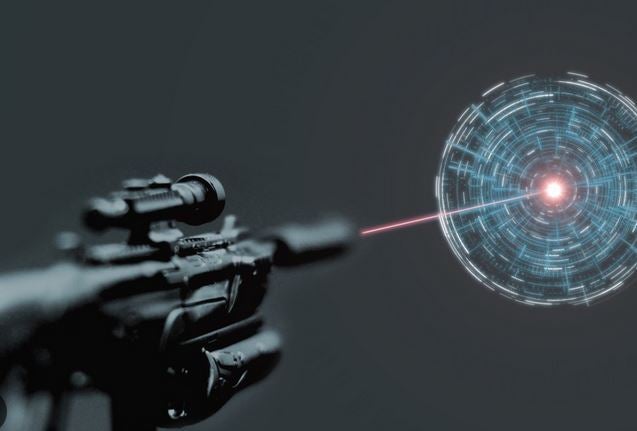
In our modern world, laser devices have become commonplace. From presentation pointers to firearm accessories, these tools serve legitimate purposes in professional and recreational contexts. However, California law criminalizes the misuse of laser devices when they are pointed at others in threatening ways. Understanding Penal Code Section 417.25 and the defenses available when facing these charges can make a critical difference in protecting your rights and your future.
What Does Penal Code 417.25 Prohibit?
California Penal Code Section 417.25 makes it a misdemeanor to aim or point either a laser scope or laser pointer at another person in a threatening manner with the specific intent to cause reasonable fear of bodily harm. The statute applies to situations outside of legitimate self defense and carries penalties of up to 30 days in county jail.
This law addresses growing concerns about laser devices being used to intimidate, threaten, or harass others. While these tools themselves are legal to own and use for appropriate purposes, directing them at people in ways that create fear crosses into criminal conduct.
The statute carefully defines what constitutes covered devices. A laser scope means a portable battery powered device that can attach to a firearm and project laser light on distant objects. Importantly, the law specifies that the laser scope does not need to be actually attached to a firearm at the time of the offense. Even a detached laser scope pointed at someone can support charges.
A laser pointer encompasses any handheld laser beam device or demonstration laser product that emits a single visible point of light created through stimulated emission of radiation. This broad definition covers the laser pointers commonly used in classrooms, business presentations, and various other settings.
The Required Elements of the Offense
To secure a conviction under Section 417.25, prosecutors must prove several specific elements beyond a reasonable doubt. Understanding these requirements reveals potential weaknesses in the prosecution's case and opportunities for effective defense.
Aiming or Pointing: The defendant must have actually aimed or pointed the laser device at another person. Accidental exposure, reflections, or situations where the laser beam inadvertently crossed someone's location may not satisfy this element. The action must be deliberate and directed toward the alleged victim.
Threatening Manner: The conduct must occur in a threatening manner. This requires more than simply pointing a laser at someone. The circumstances, words, gestures, and overall context must create a threatening situation. Using a laser pointer during a legitimate presentation differs fundamentally from pointing one at someone while making threats or displaying aggressive behavior. In some situations, prosecutors may also file or consider lesser public-order charges like disturbing the peace (PC 415), depending on the facts.
Specific Intent: Perhaps most importantly, the defendant must have acted with specific intent to cause a reasonable person fear of bodily harm. This mental state requirement means prosecutors must prove what you were thinking and what you intended to accomplish. Without proof of this specific intent, the conduct does not violate Section 417.25.
Reasonable Fear: The intended result must be fear that a reasonable person would experience under the circumstances. Subjective fear alone is insufficient. If the alleged victim has unusual sensitivities or misunderstood an innocent situation, reasonable fear may not exist.
No Self Defense: The statute explicitly excludes conduct done in legitimate self defense. If you were protecting yourself or others from imminent harm, your actions may be justified regardless of whether you used a laser device. For background on when resistance or protective action can be lawful, see California Penal Code 692 — Lawful Resistance & Self-Defense.
Understanding the Threatening Manner Requirement
The requirement that the laser be pointed in a threatening manner provides significant context for evaluating whether conduct truly violates this statute. Not every instance of pointing a laser at someone constitutes a crime.
Context determines whether conduct is threatening. Pointing a laser pointer at a colleague during a business meeting to highlight information on a screen is obviously not threatening, even if the beam briefly passes across someone. Similarly, using a laser scope at a shooting range in a controlled environment lacks threatening character.
Threatening manner typically involves circumstances where a reasonable person would feel endangered. This might include situations where someone points a laser scope from a distance in a way that suggests targeting for violence, or where a laser pointer is used while making verbal threats or displaying weapons.
The manner requirement also considers the totality of circumstances. What else was happening when the laser was pointed? Were there verbal threats? Physical aggression? Was the defendant positioned in a way that suggested danger?
Did the interaction have a history of conflict?
Defense attorneys carefully examine these contextual factors to challenge characterizations of conduct as threatening. Often what police reports describe as
threatening appears much more ambiguous or innocent when full context emerges through investigation and witness testimony.
The Specific Intent Element and Its Defense Implications
Section 417.25 requires specific intent to cause reasonable fear of bodily harm. This represents a high burden for prosecutors because they must prove your subjective mental state, not merely that your actions had a particular effect.
Specific intent differs from general intent. General intent means you knowingly committed an act. Specific intent requires proof that you acted with a particular goal or purpose in mind. For Section 417.25, prosecutors must establish that you specifically intended to cause fear of bodily harm.
This creates multiple defense opportunities. If you were joking, trying to get someone's attention, demonstrating a device, or had any purpose other than causing fear, the specific intent element may not be satisfied. Even if your conduct was inappropriate or annoying, without the specific intent to cause fear of bodily harm, you have not committed this offense.
Proving subjective intent often relies on circumstantial evidence including words spoken, actions taken, and the surrounding context. Statements you made before, during, or after the incident become relevant. Your relationship with the alleged victim and any history of conflict may be considered.
However, the prosecution bears the burden of proving intent beyond a reasonable doubt. If the evidence could reasonably support multiple interpretations of your intent, reasonable doubt exists. Defense attorneys highlight alternative explanations for conduct that do not involve intent to cause fear.
Self Defense as a Complete Defense
The statute explicitly excludes conduct undertaken in self defense. If you were protecting yourself or others from imminent harm, pointing a laser device at an aggressor may be justified regardless of whether it would otherwise violate Section 417.25.
Self defense requires that you reasonably believed you or someone else faced imminent danger of bodily harm, and that your actions were necessary to prevent that harm. The amount of force used must be proportional to the threat faced. For background on when resistance can be lawful, see California Penal Code 692 — Lawful Resistance & Self-Defense.
Pointing a laser scope or pointer at an attacker might serve several self defense purposes. It could distract or disorient an aggressor, provide warning of your ability to defend yourself if the laser is attached to a weapon, or help you identify threats in low light situations.
The reasonableness of your belief in the need for self defense is evaluated from your perspective at the time, considering what information you had available. Mistaken beliefs can still support self defense claims if they were reasonable under the circumstances.
Defense attorneys investigating potential self defense claims gather evidence about the threat you faced, your perception of danger, and whether your response was proportional. Witness testimony, physical evidence, and your account of events all contribute to establishing legitimate self defense.
Common Scenarios Leading to Section 417.25 Charges
Understanding typical situations where these charges arise helps illustrate how innocent conduct sometimes gets misconstrued as criminal behavior.
Firearm Range Incidents: Laser scopes are commonly used at shooting ranges for targeting practice. Misunderstandings about where someone is pointing a firearm or scope, or situations where safety protocols are briefly violated, can result in complaints and charges even when no threatening intent existed.
Workplace Conflicts: Laser pointers are standard business tools used in presentations and meetings. Conflicts between coworkers sometimes result in allegations that someone pointed a laser pointer threateningly, even when the conduct was actually innocent or misunderstood.
Neighborhood Disputes: Ongoing disputes between neighbors occasionally involve allegations of laser devices being pointed through windows or at people in yards. These situations often involve conflicting accounts and questions about whether devices were actually aimed at people or merely used in ways that created incidental exposure.
Pranks Gone Wrong: Young people sometimes use laser pointers inappropriately without appreciating the potential consequences. What begins as a prank or joke can result in criminal charges when someone feels threatened or endangered.
Police Encounters: Some cases involve allegations that defendants pointed lasers at law enforcement officers. These situations often carry additional scrutiny and may involve disputes about what actually occurred during tense encounters.
Potential Penalties and Consequences
Section 417.25 violations constitute misdemeanors punishable by up to 30 days in county jail. While 30 days might seem relatively minor compared to more serious crimes, even short jail sentences disrupt employment, family responsibilities, and daily life.
Beyond incarceration, judges may impose other conditions including probation, fines, community service, and protective orders. Probation typically involves regular check ins with a probation officer, restrictions on activities, and requirements to avoid further legal trouble.
The collateral consequences of conviction extend well beyond the formal sentence. A criminal record affects employment opportunities, professional licensing, housing applications, and educational prospects. Many employers conduct background checks and view any criminal conviction negatively. If you need help cleaning up your record, review our page on expungement & post-conviction relief.
For non-citizens, even misdemeanor convictions can trigger immigration consequences including deportation, denial of visa applications, or problems with naturalization proceedings. Immigration law treats certain misdemeanors seriously, making legal representation critical for anyone facing potential immigration impacts. Learn more about deportation consequences of criminal convictions.
Firearm rights may also be affected. California law restricts gun ownership and possession for individuals convicted of certain crimes. Even misdemeanor convictions can result in loss of Second Amendment rights depending on the specific circumstances and prior criminal history.
Defense Strategies for Penal Code 417.25 Charges
Defending against charges under Section 417.25 requires careful analysis of what actually happened versus what police reports or witnesses claim occurred. Several defense approaches prove effective depending on the specific facts of your case.
Challenging Intent Evidence: Since specific intent is required, demonstrating that you lacked intent to cause fear of bodily harm defeats a critical element. Evidence that you were joking, had legitimate reasons for using the laser device, or were engaged in non-threatening activity supports this defense.
Disputing the Threatening Manner: Showing that your conduct lacked threatening character undermines the prosecution's case. Context evidence, witness testimony, and your own account can establish that the manner of pointing the laser was not threatening.
Establishing Self Defense: If you were protecting yourself or others, self defense provides a complete justification. Evidence about the threat you faced, your reasonable perception of danger, and the proportionality of your response supports this defense. For background on lawful resistance principles, see California Penal Code 692 — Lawful Resistance & Self-Defense.
Lack of Identification: If the prosecution cannot prove you were the person who pointed the laser device, their case fails. Situations involving multiple people or limited visibility may raise identification issues.
Accidental Conduct: If the laser exposure was truly accidental rather than deliberate, you did not aim or point the device as the statute requires. Evidence supporting accidental contact with the laser beam can defeat charges.
The Importance of Early Legal Representation
Anyone facing charges under Penal Code Section 417.25 benefits significantly from early consultation with experienced criminal defense counsel. The specific elements of this offense, the defenses available, and the evidence needed to support those defenses require sophisticated legal analysis.
Early attorney involvement allows for critical evidence preservation including video footage, witness identification, and documentation of circumstances before memories fade or evidence disappears. Surveillance cameras, cell phone videos, and witness accounts become harder to obtain as time passes.
Your attorney can investigate the alleged incident thoroughly, interviewing witnesses, examining physical evidence, and developing a comprehensive understanding of what actually occurred. Police reports often present incomplete or biased accounts that further investigation can contradict.
Negotiating with prosecutors before formal charges are filed sometimes results in cases being dismissed or charges being significantly reduced. Your attorney can present context and evidence that law enforcement may have overlooked, potentially avoiding criminal prosecution entirely.
If your case proceeds to court, experienced representation ensures your rights are protected throughout the process. From challenging evidence to cross examining witnesses to presenting compelling defenses, effective advocacy requires knowledge of criminal law and courtroom experience.
Protecting Your Rights and Your Future
Charges under Penal Code Section 417.25 carry consequences that extend beyond the immediate penalties. Understanding this statute, recognizing available defenses, and working with qualified legal counsel provides your best opportunity for achieving favorable outcomes.
Every case involves unique circumstances that affect defense strategies and potential results. What appears straightforward in a police report often reveals complexities upon investigation. Witness accounts may conflict, context may have been ignored, or innocent conduct may have been mischaracterized as criminal.
Your constitutional rights deserve protection throughout the legal process. When charges stem from misunderstandings, innocent conduct, or situations where critical elements cannot be proven, fighting these allegations protects both your individual rights and your future opportunities. For post-case options, review expungement & post-conviction relief and explore our latest insights on the Bulldog Law Blog.
Taking immediate action when facing these charges gives you the best chance of success. Delays in securing legal representation can result in lost evidence, faded memories, and missed opportunities for favorable resolutions. For additional information about criminal defense strategies and protecting your rights, explore the resources available at The Bulldog Law blog where you will find helpful guidance on navigating California's criminal justice system.
Talk to a California Criminal Defense Attorney
Accused under PC 417.25? Get a tailored case strategy and protect your record. Start here: Criminal Defense | Prefer to reach out directly? Contact Us.