
Understanding California's Protection for Gender-Affirming Healthcare Providers
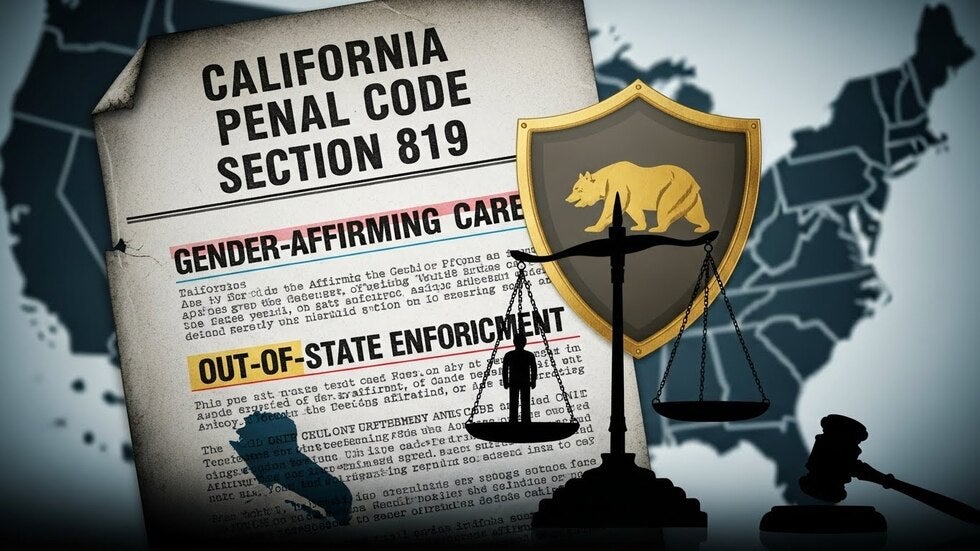
California Penal Code Section 819 establishes comprehensive protections for individuals providing or receiving gender-affirming healthcare within the state while creating barriers to out of state enforcement efforts targeting these legally protected medical services.
From a defense attorney's perspective, this statute provides crucial safeguards for healthcare providers, patients, and families while establishing clear limitations on law enforcement cooperation with other jurisdictions seeking to prosecute activities that are legal under California law.
Public Policy Declaration and Law Enforcement Priorities
Lowest Priority Classification for Out of State Warrants
Section 819 explicitly declares that out of state arrest warrants based on gender-affirming healthcare violations represent the lowest law enforcement priority in California, creating policy guidance that affects resource allocation and enforcement decisions.
This priority classification reflects California's commitment to protecting individuals who provide or receive gender-affirming care while signaling to law enforcement agencies that such warrants should not receive preferential treatment or urgent response.
Defense attorneys should understand that this priority classification may affect how law enforcement agencies handle out of state requests while providing policy arguments for challenging inappropriate cooperation with conflicting state enforcement efforts.
State Policy Protection for Healthcare Access
The statutory declaration establishes clear state policy supporting access to gender-affirming healthcare while protecting providers and patients from prosecution under other states' conflicting laws that may criminalize these medical services.
This policy framework creates important legal foundations for challenging out of state enforcement efforts while establishing California's commitment to healthcare access and medical autonomy for gender-affirming treatments.
Defense strategies should emphasize California's explicit policy protections when challenging out of state enforcement actions or defending against attempts to circumvent statutory protections through federal or interstate legal mechanisms.
Prohibition on Arrest and Extradition Cooperation
Arrest and Detention Restrictions
Section 819 prohibits California law enforcement agencies from knowingly participating in arrests or extradition proceedings based on out of state warrants targeting gender-affirming healthcare activities that are legal under California law.
These restrictions prevent California agencies from assisting other states' enforcement efforts while protecting individuals from arrest and detention based on activities that California explicitly protects through its healthcare laws.
Defense attorneys can use these prohibitions to challenge inappropriate arrests or detention while seeking release for clients who may have been arrested in violation of statutory protections.
Extradition Process Limitations
The statute specifically prohibits participation in extradition proceedings for gender-affirming healthcare related charges, creating additional barriers to interstate enforcement that could remove protected individuals from California's jurisdiction.
Extradition limitations ensure that California's protective policies cannot be circumvented through interstate legal processes that would subject protected individuals to prosecution in states with conflicting healthcare laws.
Defense strategies for extradition proceedings should emphasize Section 819's explicit prohibitions while challenging any attempts to use federal or interstate mechanisms to bypass California's protective framework.
Information Sharing Restrictions and Privacy Protections
Prohibition on Cooperation and Information Sharing
Section 819 prohibits state and local law enforcement agencies from cooperating with or providing information to out of state agencies regarding lawful gender-affirming healthcare performed in California.
These information sharing restrictions prevent California agencies from providing assistance to out of state investigations while protecting the privacy of patients and providers who receive protection under California's healthcare laws.
Defense attorneys should understand these restrictions when advising clients about privacy protections while challenging any attempts to obtain protected information through informal cooperation or information sharing arrangements.
Medical Information Privacy Safeguards
The statute specifically protects medical information about individuals who receive gender-affirming healthcare in California, preventing disclosure to out of state authorities who might use such information for prosecution purposes.
Medical privacy protections extend beyond traditional HIPAA requirements to create specific barriers against law enforcement requests for gender-affirming healthcare information from agencies outside California.
Privacy defense strategies should incorporate these statutory protections alongside traditional medical privacy laws to create comprehensive barriers against inappropriate information disclosure.
Limited Investigation Authority and Exceptions
Permitted California Criminal Investigations
Section 819 does not prohibit investigation of criminal activity within California that may involve gender-affirming healthcare, recognizing that some circumstances involving medical care might constitute legitimate criminal conduct under California law.
However, the statute prohibits sharing specific medical procedure information with out of state agencies even when California investigations are permitted, creating additional privacy protections for patients and providers.
Defense attorneys must understand the distinction between permitted California investigations and prohibited cooperation with out of state enforcement efforts when advising clients about potential exposure.
Medical Information Sharing Restrictions
Even when California criminal investigations are permitted, the statute specifically restricts sharing medical procedure information with out of state agencies, creating additional privacy protections that prevent circumvention of broader protective policies.
This restriction ensures that legitimate California law enforcement activities do not become vehicles for assisting out of state enforcement efforts that target activities protected under California law.
Medical information protections require careful analysis to ensure that defense strategies account for both permitted California enforcement and prohibited out of state cooperation.
Constitutional and Federal Law Considerations
Federal Law Limitations and Supremacy
Section 819 acknowledges constitutional limitations on state authority to restrict federal law enforcement cooperation while providing maximum protections within constitutional boundaries allowed by federal law.
The federal law exception recognizes that states cannot completely prevent federal law enforcement activities while still providing significant protections against state cooperation with federal enforcement efforts targeting gender-affirming healthcare.
Defense strategies must consider both state law protections and potential federal authority when evaluating client exposure to criminal or civil liability related to gender-affirming healthcare services.
Interstate Commerce and Full Faith and Credit
The statute's refusal to cooperate with other states' enforcement efforts raises complex constitutional questions about interstate cooperation and full faith and credit requirements under federal constitutional law.
California's protective framework provides strong protection against enforcement of conflicting state laws while potentially creating constitutional conflicts that federal courts may need to resolve.
Constitutional analysis requires understanding both California's protective framework and potential federal constitutional limitations on state authority to refuse cooperation with other states' law enforcement efforts.
Strategic Defense Applications
Challenging Out of State Enforcement Actions
When clients face enforcement actions from other states targeting gender-affirming healthcare activities legal in California, Section 819 provides comprehensive statutory foundations for challenging such enforcement efforts.
Defense strategies should emphasize California's explicit protections for gender-affirming healthcare while using statutory non cooperation requirements to prevent assistance to out of state investigations.
Challenging out of state enforcement requires coordinated legal strategies addressing both California's protective framework and constitutional limitations on other states' enforcement authority within California.
Healthcare Privacy and Information Protection
The statute's information sharing restrictions provide important tools for protecting healthcare privacy when clients face requests for gender-affirming healthcare information from out of state authorities.
Privacy defense strategies should incorporate statutory protections alongside traditional healthcare privacy laws to create comprehensive barriers against inappropriate information disclosure.
Healthcare information protection requires understanding both specific statutory restrictions and broader privacy law frameworks that protect sensitive medical communications and records.
Civil Rights and Constitutional Claims
Section 819 violations may support civil rights claims under federal and state law when government agents exceed their authority or violate statutory protections for gender-affirming healthcare activities.
Constitutional challenges to inappropriate enforcement may address both specific statutory violations and broader constitutional protections for healthcare privacy and medical autonomy.
Civil rights litigation strategies should combine statutory violation claims with constitutional challenges to establish comprehensive protection for healthcare providers and patients.
Professional and Medical Practice Protection
Healthcare Provider Defense
Medical professionals providing gender-affirming care in California receive comprehensive protection from out of state prosecution while maintaining their ability to provide legal medical services within California's regulatory framework.
Professional defense strategies should emphasize California's protective policies while challenging any attempts to use professional licensing or regulatory mechanisms to circumvent statutory protections.
Provider protection may require coordination with medical licensing boards and professional organizations to establish consistent protection for healthcare providers serving California patients.
Patient and Family Protections
Patients and families receiving or seeking gender-affirming healthcare receive protection from out of state enforcement while maintaining access to legal medical services within California's healthcare system.
Patient protection strategies should address both immediate enforcement concerns and longer term healthcare access issues that may be affected by out of state legal pressures or interstate enforcement efforts.
Family protection may require comprehensive legal planning that addresses custody issues, travel concerns, and other potential complications arising from conflicting state laws regarding gender-affirming healthcare.
Interstate Legal Coordination and Conflicts
Multi-Jurisdictional Legal Challenges
Section 819 protections may create complex legal conflicts when families or providers have connections to multiple states with conflicting laws regarding gender-affirming healthcare.
Interstate conflict resolution requires understanding both California's protective framework and other states' enforcement mechanisms while developing strategies that protect client interests across jurisdictional boundaries.
Multi-jurisdictional cases may require federal court intervention to resolve conflicts between competing state law frameworks and constitutional requirements for healthcare access and privacy protection.
Risk Management and Compliance
Healthcare System Implementation
Healthcare institutions and providers should understand Section 819's protections while implementing policies that ensure compliance with California law while avoiding unnecessary exposure to out of state enforcement efforts.
Implementation strategies should address both patient care continuity and staff protection while ensuring that California's protective framework receives full implementation within healthcare delivery systems.
Risk management should consider both immediate protection needs and longer term sustainability of gender-affirming healthcare programs within California's legal framework.
Conclusion
California Penal Code Section 819 creates comprehensive protections for gender-affirming healthcare providers and patients while establishing clear barriers to out of state enforcement of conflicting healthcare laws. These protections represent significant safeguards for medical professionals and families facing potential legal challenges from other jurisdictions.
Defense attorneys must understand both the scope of these protections and their potential limitations when representing clients in gender-affirming healthcare related legal matters.
The statute provides powerful tools for challenging inappropriate enforcement actions while creating important privacy protections for medical information and healthcare activities.
Effective defense strategies require comprehensive understanding of California's protective framework alongside federal constitutional law and interstate legal coordination issues. Success depends on combining statutory protections with broader constitutional safeguards to achieve optimal outcomes for clients facing complex multi-jurisdictional legal challenges involving gender-affirming healthcare access and protection.
Contact our firm today by email or by calling (888) 928-1609.