
California Penal Code 102 makes it a crime to willfully injure, destroy, take, or attempt to take personal property that is in the lawful custody of an officer or another person holding it under legal process. The statute targets nonviolent interference with law enforcement custody of property and often arises during arrests, searches, vehicle impounds, and evidence handling. Because cases frequently involve misunderstandings about ownership, legal process, or the right way to retrieve property, early guidance from a defense attorney is essential.
What California Penal Code 102 Means
To violate Penal Code 102, a person must willfully interfere with property that is being lawfully held under a warrant, court order, or other valid legal authority. The focus is the protection of property in official custody and the integrity of court and investigative processes. Even without threats or physical force, trying to retake, hide, or damage such property can lead to prosecution.
California Penal Code 102 vs California Penal Code 69
Penal Code 69 addresses attempts to deter or prevent executive officers from performing their duties through threats or force. Penal Code 102 addresses interference with property in official custody without force or violence. The distinction matters for charging, penalties, and defenses. In many cases involving property interference, the absence of threats or violence places the matter under Penal Code 102 rather than Penal Code 69.
Elements the Prosecution Must Prove
To convict under Penal Code 102, the state must prove each element beyond a reasonable doubt:
- Willful conduct: The act was intentional rather than accidental or the result of confusion.
- Property in lawful custody: The item was held by an officer or other authorized person under a valid legal process.
- Interference: The defendant injured, destroyed, took, attempted to take, or helped another to take the property from that custody.
Disputes often center on whether the custody was lawful, whether the person knew about the legal process, and whether conduct was truly willful.
Common Fact Patterns That Lead to PC 102 Charges
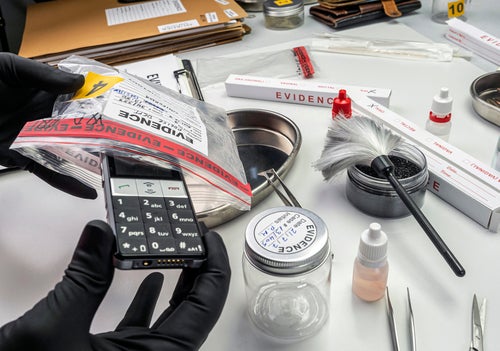
- Evidence seizure disputes: Someone tries to retrieve a phone, wallet, or bag that officers booked as evidence following an arrest.
- Scene cleanups: Family members collect items from a location after a search and unknowingly remove property tagged for evidence.
- Impounded vehicles: An owner or friend accesses an impounded car to remove items without authorization.
- Medical or emergency settings: Property secured at a hospital or station is taken before release procedures are complete.
- Third party involvement: Friends or relatives are asked to retrieve or hide items held by police.
Penalties for Violating California Penal Code 102
Penal Code 102 is generally charged as a misdemeanor. A conviction can lead to:
- Jail time: Up to one year in county jail.
- Fines: Court-imposed fines and fees.
- Probation: Terms may include community service, classes, stay-away orders from evidence rooms or impound lots, and compliance reviews.
- Collateral consequences: Employment and licensing impacts, immigration risks for non-citizens, and future credibility issues in court matters.
The court may also order restitution if property was damaged or destroyed.
Defenses to California Penal Code 102 Charges
- No willful intent: The conduct was accidental or based on a reasonable misunderstanding of rights or procedures.
- Unlawful custody: The property was not actually held under valid legal process, undermining a core element of the charge.
- Ownership and possessory rights: A good-faith claim of right can negate willfulness when a person reasonably believed they were entitled to possess the item.
- Procedural violations: Improper warrant execution, chain-of-custody errors, or lack of notice can support dismissal or reduction.
- Insufficient evidence: Weak identification, unreliable timelines, and missing documentation can fail to meet the burden of proof.
- Constitutional challenges: Fourth Amendment and due process issues tied to the initial seizure or continued detention of property.
Vehicle Impoundment and PC 102 Risks
Vehicle impounds often create confusion about access to personal property in the car. Attempting to retrieve items without authorization can trigger Penal Code 102 allegations. To understand proper procedures and protect your rights, review the California Vehicle Impoundment for DUI and Driving Offenses resource and follow official release steps rather than attempting self-help.
Property Seizures, Evidence, and Related Claims
When money, documents, or devices are booked as evidence, trying to reclaim them before lawful release can be charged under PC 102. In some investigations, the state may also scrutinize insurance or reimbursement paperwork tied to seized items. For background on how claims issues can intersect with criminal allegations, see California Penal Code 72 false or fraudulent claims defense for an overview of accusations involving allegedly false claims.
Asset Seizures and Parallel Proceedings
Seized property can be involved in separate civil or federal proceedings. If property is subject to forfeiture while also held as evidence, parallel processes can complicate recovery. Coordination is vital to avoid missteps that risk new charges. Learn how federal asset forfeiture defense approaches the return of property and the protections available in separate proceedings.
Pretrial Strategy and Case Resolution
- Early evidence preservation: Secure impound records, property receipts, body-worn camera footage, and chain-of-custody logs.
- Motions practice: Challenge the validity of the underlying legal process or the sufficiency of the charging documents.
- Negotiations: Seek informal resolution or reductions based on lack of willfulness, cooperation, and prompt corrective actions.
- Mitigation: Demonstrate policy misunderstandings, training gaps, or communication issues that explain conduct without criminal intent.
Know Your Rights During Police Property Seizures
- Request a property receipt and inventory when items are taken.
- Ask officers how and when property can be lawfully retrieved.
- Use the agency's release or petition procedures rather than attempting to access the item yourself.
- Consult counsel before contacting evidence units or impound lots to avoid inadvertent violations.
California Penal Code 102 Defense Lawyers in California
Bulldog Law defends clients accused of interfering with property in official custody under California Penal Code 102. Our team reviews the legality of the seizure, examines chain-of-custody records, and challenges the willfulness element while protecting your rights at every stage. If your case involves impounds, evidence bookings, or overlapping forfeiture issues, we develop a strategic plan to safeguard your liberty and your property. Contact us to discuss a defense tailored to your circumstances.