
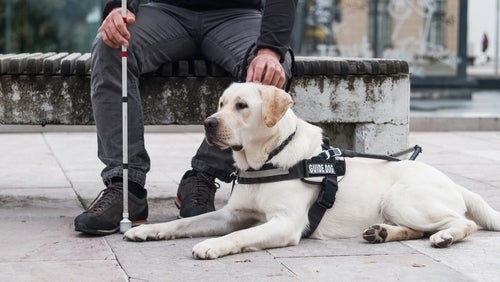
California Penal Code Section 365.7 makes it a misdemeanor to knowingly and fraudulently represent oneself as the owner or trainer of a guide, signal, or service dog. A conviction under this statute can result in up to six months in jail and significant fines. These cases often stem from misunderstandings about the legal distinctions between service animals, emotional support animals, and pets. In many situations, individuals may genuinely believe they are authorized to identify an animal as a service dog. Understanding the legal requirements and available defenses is essential to protecting your reputation, freedom, and future.
Understanding California's Service Dog Protection Framework
Penal Code 365.7 is part of a larger legal system designed to uphold the rights of individuals with disabilities who depend on legitimate service animals. It complements California Civil Code Section 54.1 and other disability access regulations. The law aims to deter misuse of service dog protections while preserving public trust in accessibility systems. However, it must be applied carefully to avoid punishing individuals who acted in good faith.
Essential Elements Prosecutors Must Prove
Knowing and Fraudulent Representation
The law requires proof that the accused knowingly and fraudulently misrepresented their status as an owner or trainer of a service dog. The prosecution must establish that the person was aware that their statements were false and intended to deceive. This creates an opportunity to raise defenses based on lack of knowledge or honest misunderstanding.
Verbal or Written Representation
PC 365.7 applies to both spoken and written statements. The prosecution must show that you explicitly claimed ownership or training authority over a service animal, not simply that you were in public with a dog. The defense may challenge the content and interpretation of any statements made to determine whether they truly constituted a fraudulent representation.
Guide, Signal, or Service Dog Classification
The animal in question must meet the legal definition of a guide, signal, or service dog. California law defines these animals as specially trained to assist people with disabilities. If the dog is an emotional support animal or untrained pet, that distinction becomes important both for the prosecution's case and for the defense's ability to challenge the dog's classification.
Owner or Trainer Status Requirements
The accused must have falsely claimed to be either the owner or a trainer of the animal. These terms have specific legal meanings and often depend on formal roles or documentation. Defense strategies may focus on proving actual authorization or highlighting the lack of fraudulent intent behind such representations.
Legitimate Use and Authorization Defenses
Authorized User Status
California law allows individuals who are not the legal owners but have been authorized by a person with a disability to use a service animal. If you had permission to use the dog, that fact could serve as a valid defense.
Good Faith Belief in Authority
If you sincerely believed you had the right to claim ownership or training status, the absence of fraudulent intent may be enough to defeat the charge. This is particularly relevant in cases where relationships with the dog's legal owner or informal caregiving arrangements were involved.
Temporary Care and Supervision
People who provide temporary care—such as during veterinary visits, travel, or emergencies—may find themselves unintentionally making representations about ownership. In these cases, context is critical in establishing that no fraud was intended.
Challenging Fraudulent Intent Allegations
Misunderstanding of Legal Requirements
Many individuals charged under PC 365.7 simply misunderstood California's service animal laws. These regulations are often confused with emotional support animal policies. Understanding this distinction is vital. For instance, individuals involved in civil claims related to animal injuries, such as those requiring a California dog bite attorney, often face similar confusion over legal classifications.
Reliance on Professional Advice
Some people rely on guidance from veterinarians, trainers, or other professionals who provide incorrect information about service dog laws. Demonstrating reliance on such advice can be critical in rebutting claims of fraudulent intent.
Documentation and Certification Issues
The absence of formal certification does not automatically mean a dog is not a service animal, and the possession of unclear or unofficial documentation may confuse owners. If you acted based on documentation you reasonably believed was valid, that could serve as a defense.
Emotional Support Animal Distinctions
Legal Differences and Public Confusion
Emotional support animals are not legally recognized as service animals under California law, yet the public often does not understand this distinction. This misunderstanding frequently results in criminal charges under PC 365.7 that may be based on a good faith error.
Business Notice Requirements
Businesses that sell or place emotional support animals are required by California Health and Safety Code Section 122317 to inform buyers of the legal differences between these animals and service animals. A failure to provide clear notices may open the door to defenses based on lack of proper warning or education.
Constitutional and Procedural Defenses
Due Process and Notice Requirements
PC 365.7 prosecutions must be based on clear notice of what conduct is prohibited. If the legal standards were not made reasonably clear or have changed over time, the defense may challenge the prosecution as violating due process.
Equal Protection Considerations
Enforcement must be applied uniformly without regard to disability status, income, or other protected classifications. If selective enforcement is suspected, the defense can raise constitutional concerns under equal protection principles.
Privacy and Disability Rights
Investigations or prosecutions under PC 365.7 that intrude on disability-related medical information may violate privacy rights or federal protections under the Americans with Disabilities Act. Defense counsel should carefully evaluate whether any procedural violations occurred during the investigation.
Evidence Challenges and Investigation Issues
Witness Testimony and Credibility
Many charges stem from reports by business owners or bystanders who may have misunderstood what was said or observed. Witnesses may misinterpret behavior or rely on personal bias rather than facts. Defense teams should thoroughly investigate these accounts for credibility issues.
Documentation and Authentication
If the prosecution relies on written or verbal statements to prove fraudulent representation, those statements must be authenticated and shown to be intentional and false. Vague or ambiguous statements are not enough to support a conviction.
Defense teams should also be familiar with local court procedures that may affect discovery. For example, Sacramento County Rule 10.20 and criminal discovery obligations can impact what evidence the defense can obtain and when, particularly in cases involving statements or surveillance footage.
Related Charges and Regulatory Compliance
In some PC 365.7 cases, additional charges may arise from related fraudulent activity. For instance, the act of misrepresenting an animal for the purpose of gaining services or accommodations may overlap with California Penal Code 537 defrauding an innkeeper if services were received under false pretenses, such as free lodging or transportation.
Food and Agriculture Code Violations
Some cases may also involve related infractions under California Food and Agriculture Code Section 30850, which governs identification tags for assistance dogs. The defense should ensure these additional charges are not unfairly stacked or misunderstood in relation to PC 365.7.
Civil Liability and ADA Compliance
Service dog fraud cases can give rise to civil actions or administrative proceedings under the ADA. If your case includes these elements, your legal team must coordinate defense efforts to protect your interests in both criminal and civil venues.
Mitigation and Alternative Sentencing
First Offender Considerations
Many people charged under PC 365.7 are first-time offenders who misunderstood the law. If the accused has no criminal history and acted in good faith, the court may consider this during sentencing and allow diversion programs or case dismissal.
Community Service and Education
Rather than pursuing harsh penalties, courts may be willing to impose alternative sentencing such as disability awareness training or volunteer work with disability organizations. This approach promotes education while addressing the underlying issue.
Service Dog Fraud Defense Lawyers in California
At Bulldog Law, our defense attorneys recognize that charges under California Penal Code 365.7 are often rooted in confusion, not criminal intent. We are experienced in both criminal defense and the sensitive issues surrounding disability rights, making us uniquely qualified to handle these cases with the precision and respect they require.
We carefully examine the facts of each case, including the legitimacy of the service animal, the nature of the statements made, and any professional guidance the client may have received. Our goal is to protect your legal rights and minimize the damage to your reputation and future.
If you are facing allegations of service dog fraud in California, contact Bulldog Law for a confidential consultation. Our team in Irvine and throughout the state provides strong representation and strategic guidance in complex service animal and disability-related criminal cases.