
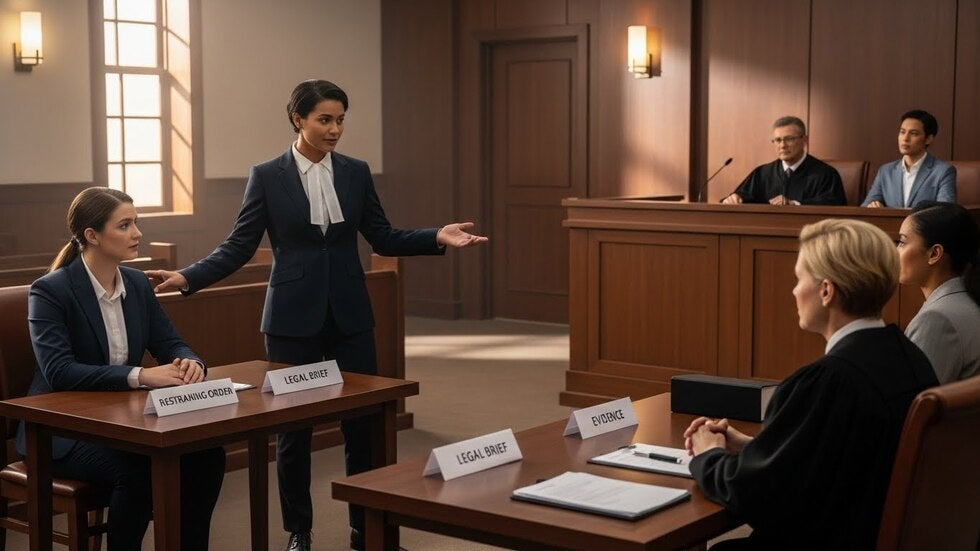
California's retail crime laws have expanded significantly in recent years, with businesses increasingly turning to civil restraining orders to address alleged theft and shoplifting incidents. California Penal Code Section 490.8 governs retail crime restraining orders, a powerful legal tool that can have devastating consequences for individuals accused of retail theft.
Understanding your rights and potential defenses under this statute is crucial if you're facing a retail crime restraining order that could impact your ability to visit stores, work in retail, or maintain your reputation in the community.
Understanding California Penal Code Section 490.8
California Penal Code Section 490.8 creates a specialized type of restraining order designed specifically for retail establishments to protect against repeat theft incidents. Unlike traditional restraining orders that focus on personal safety, retail crime restraining orders target individuals whom businesses believe pose an ongoing threat to their merchandise or property.
These orders can prohibit individuals from entering specific retail locations, shopping centers, or even entire commercial districts. The broad scope of potential restrictions makes these orders particularly concerning for individuals who may depend on access to certain stores for employment, essential services, or daily needs.
The statute reflects California's broader effort to combat retail theft through civil remedies that complement criminal prosecutions. However, the relatively low burden of proof required for obtaining these orders means that individuals can face significant restrictions based on allegations rather than criminal convictions.
Procedural Framework Under California Rules of Court
The procedural requirements for retail crime restraining orders under Section 490.8 are governed by several California Rules of Court that establish the framework for how these cases proceed. California Rules of Court Rule 3.1160 specifically applies to requests for protective orders under Section 490.8, outlining the procedures for responses to these requests.
Under Rule 3.1160, individuals facing retail crime restraining order requests have the right to respond to the allegations, either in writing or orally at the hearing. The rule also provides for the possibility of continuances, which can be crucial for gathering evidence and preparing an effective defense.
Understanding these procedural rights is essential for anyone served with a retail crime restraining order petition.
California Rules of Court Rule 1.51 requires petitioners seeking orders under Section 490.8 to submit a completed Confidential Information for Law Enforcement form (CLETS-001) to the court.
This requirement ensures that approved orders are properly entered into law enforcement databases, but it also highlights the serious nature of these proceedings and their potential impact on your record.
Law Enforcement Integration and CLETS Entry
One of the most concerning aspects of retail crime restraining orders under Section 490.8 is their immediate integration into law enforcement systems. California Family Code Section 6380 mandates that data regarding protective orders, including retail crime restraining orders, be transmitted to law enforcement within one business day of issuance.
This rapid entry into the California Law Enforcement Telecommunications System (CLETS) means that any retail crime restraining order against you becomes immediately accessible to law enforcement officers throughout the state.
Even if you're later able to successfully challenge or modify the order, its presence in law enforcement databases can have lasting consequences for future police interactions.
The CLETS entry requirement also means that violations of retail crime restraining orders can result in immediate arrest, even for technical violations or situations where the underlying allegations were false. This emphasizes the importance of taking these proceedings seriously from the outset and mounting an effective defense before orders are issued.
Service of Process and Notice Requirements
California Rules of Court Rule 3.1162 addresses service requirements for protective orders issued under Section 490.8, including special provisions for remote appearances. The rule specifies that no additional proof of service is required if the respondent appears at the hearing remotely and receives actual notice of the restraining order.
While this rule may seem procedural, it has important implications for defendants. Remote appearances during the COVID-19 pandemic and beyond have become more common, but they can also create challenges for effective legal representation and full participation in hearings. Understanding your rights regarding appearance and service can be crucial for protecting your interests.
Proper service is a fundamental due process requirement, and challenges to service can provide grounds for challenging the validity of retail crime restraining orders. If you were not properly served with notice of the hearing or the allegations against you, this could be a viable defense to the order.
Common Defense Strategies for Section 490.8 Orders
Defending against retail crime restraining orders requires a thorough understanding of both the underlying allegations and the legal standards that apply. One common defense involves challenging the sufficiency of evidence supporting the petition. Unlike criminal cases, retail crime restraining orders can be issued based on relatively limited evidence, but the petitioner must still meet basic legal standards.
Identity challenges can be particularly effective in retail theft cases, where security footage may be unclear or where multiple individuals were present during alleged incidents. If the business cannot clearly establish that you were the person involved in the alleged conduct, this can be grounds for denying the restraining order petition.
Lack of intent or mistake defenses may also apply in situations where alleged theft incidents involved misunderstandings, accidental removal of merchandise, or other circumstances that don't support a finding of intentional wrongdoing. These defenses can be particularly important given the civil nature of restraining order proceedings.
Constitutional challenges may be available in cases where proposed orders are overly broad or would prevent access to essential services. Courts must balance business interests in preventing theft against individuals' rights to access public accommodations and engage in lawful commerce.
Impact on Employment and Daily Life
Retail crime restraining orders under Section 490.8 can have far-reaching consequences beyond simply prohibiting entry to specific stores. Many individuals work in retail or service industries where restraining orders could prevent them from performing their job duties or seeking employment in their chosen field.
The geographic scope of these orders can also be problematic, particularly in areas where a single shopping center or commercial district contains essential services like grocery stores, pharmacies, or medical facilities. Orders that prevent access to these essential services raise serious due process concerns and may be vulnerable to constitutional challenge.
Professional licensing consequences can also arise from retail crime restraining orders, particularly for individuals in fields that require background checks or involve handling money or merchandise. Even civil restraining orders can trigger licensing reviews or disciplinary proceedings that affect long-term career prospects.
Modification and Termination of Orders
Understanding the process for modifying or terminating retail crime restraining orders is crucial for long-term relief. California law provides mechanisms for seeking modification of orders that prove to be unnecessary or overly burdensome, but these procedures require careful legal strategy and presentation.
Evidence of changed circumstances, completion of counseling or community service, or demonstration that the original allegations were unfounded can all support requests for modification or termination. However, the burden of proof for these requests typically falls on the person subject to the order.
The timing of modification requests can be strategically important, as courts may be more receptive to changes after a period of compliance or when circumstances clearly demonstrate that the order is no longer necessary for its intended purpose.
Working with Experienced Legal Counsel
The complexity of retail crime restraining order proceedings under Section 490.8 makes experienced legal representation essential. These cases involve a unique intersection of civil procedure, criminal law concepts, and constitutional rights that requires specialized knowledge and experience.
An experienced attorney can help navigate the procedural requirements, challenge insufficient evidence, and negotiate alternatives that protect both business interests and individual rights. Early intervention is particularly important, as it's often easier to prevent an order from being issued than to modify or terminate it after the fact.
Your attorney can also help coordinate with any related criminal proceedings to ensure that your defense strategy is consistent across all cases and that resolution of civil restraining order proceedings doesn't inadvertently harm your position in criminal court.
Conclusion: Protecting Your Rights and Future
Retail crime restraining orders under California Penal Code Section 490.8 represent a serious legal challenge that requires immediate and effective response. While these orders are intended to protect businesses from theft, they can have devastating consequences for individuals who may be falsely accused or who face orders that are disproportionate to any underlying conduct.
Understanding your procedural rights, potential defenses, and long-term consequences is crucial for protecting your interests in these proceedings. With proper legal representation and a strategic approach to defense, many individuals can successfully challenge these orders or negotiate alternatives that minimize their impact.
The key is taking these proceedings seriously from the outset and working with qualified legal counsel who understands the unique challenges these cases present. By protecting your rights in retail crime restraining order proceedings, you can preserve your ability to work, shop, and participate fully in community life while addressing any legitimate concerns that businesses may have.
Simply call (888) 928-1609 or reach out online for your free initial consultation