
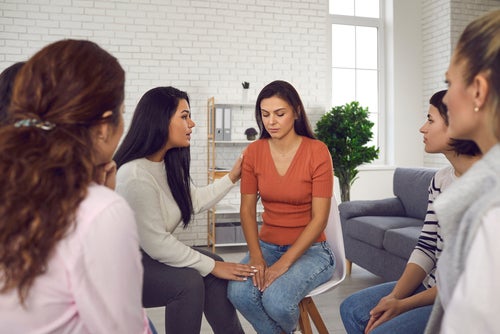
California Penal Code Section 5035 establishes the Victim Offender Dialogue (VOD) program, an innovative restorative justice mechanism that provides a structured and voluntary forum for communication between victims and offenders. This process is designed to facilitate healing, accountability, and emotional closure, offering an alternative or complement to traditional punitive justice models. For anyone considering VOD participation, understanding its legal framework and strategic implications is critical.
Understanding California's Victim Offender Dialogue Framework
The VOD program is a reflection of California's growing emphasis on restorative justice. It operates under the Office of Victim and Survivor Rights and Services in collaboration with nonprofit community-based restorative justice organizations. These programs are facilitated by professionals trained to manage emotionally complex conversations while safeguarding the dignity and rights of all participants.
Unlike courtroom proceedings, VOD creates a space for mutual understanding—victims can ask questions or express feelings directly, while offenders have a chance to take genuine responsibility. This setting can be especially meaningful in sensitive cases involving long-term trauma, such as those outlined in discussions of the long-term impact and trauma of child molestation on victims.
Voluntary Participation and Legal Safeguards
Completely Voluntary Nature
Penal Code 5035 explicitly states that participation in VOD is entirely voluntary. Victims, survivors, and incarcerated individuals cannot be compelled to participate, and refusal to do so cannot be held against them in any legal or administrative setting. This ensures the process remains one of genuine engagement, not coercion.
No Adverse Legal Consequences for Refusal
Choosing not to participate in VOD cannot negatively impact parole, probation, or other criminal justice outcomes. This safeguard is crucial, particularly for individuals navigating immigration concerns, such as those considering U visa protections for victims of crime in California.
Confidentiality and Legal Advice
While confidentiality is often respected during VOD sessions, the scope of legal privilege may be limited. Any statements made during dialogue might be used in future proceedings if protections are not clearly established. Consulting a defense attorney prior to participation is essential to ensure your rights are protected.
Benefits and Opportunities of VOD Participation
Emotional Healing and Closure
Many victims experience unresolved trauma that traditional justice processes fail to address. VOD provides a space where they may find healing and understanding. Offenders, too, may find closure by confronting the human impact of their actions and offering sincere apologies.
Demonstrating Accountability
For offenders, VOD participation can reflect personal growth and rehabilitation. This can be a compelling factor during parole reviews, particularly when considered alongside community-based supervision options like those offered under California Penal Code 3450 postrelease community supervision.
Fostering Understanding
These dialogues allow participants to gain insight into the broader consequences of criminal behavior. Victims may learn about the offender's background or motivations, and offenders may better grasp the pain they've caused—fostering a mutual awareness that contributes to healing.
Legal Considerations and Strategic Implications
Potential Impact on Legal Proceedings
Statements made during VOD could potentially influence active or future legal matters. Therefore, participation should be approached with caution, especially if you are involved in pending appeals or unresolved investigations.
Parole Hearings and Rehabilitation Narratives
Authentic VOD participation may support narratives of rehabilitation during parole hearings. However, the emphasis should remain on genuine remorse and accountability, not just favorable administrative outcomes.
Restitution and Victim Concerns
VOD may open the door to meaningful discussions on restitution or ongoing harm. While these conversations don't replace legal obligations, they can help clarify or resolve financial and emotional impacts.
Preparation and Emotional Readiness
Consulting Legal Counsel
Before engaging in VOD, speak with a criminal defense attorney to assess legal risks and outline protections. A lawyer can help you understand what you can safely share and whether your participation aligns with ongoing legal strategy.
Psychological Preparation
These dialogues can be emotionally intense. Participants should prepare by examining their own feelings, understanding victim perspectives, and building reasonable expectations. Emotional readiness can be supported by counselors or restorative justice facilitators.
Setting Realistic Goals
VOD should not be seen as a pathway to forgiveness or reduced punishment. Rather, it is a space for expressing accountability, understanding, and healing. Entering the process with honest intentions is vital to its success.
Community-Based Facilitation and Support
Nonprofit Involvement
Under PC 5035, VOD programs must be administered by nonprofit organizations that specialize in restorative justice. These groups bring trained facilitators, structured processes, and safety protocols to support effective dialogue.
Alternative Restorative Approaches
If VOD is not appropriate or welcomed by all parties, alternatives such as victim impact panels or community service projects may still provide meaningful accountability. These options can be explored with support from both legal counsel and restorative justice professionals.
Penalties Under Penal Code 5035
Penal Code Section 5035 does not establish new criminal penalties or sentencing guidelines. Instead, it governs procedures for voluntary restorative dialogue. However, participants should remain aware of how their conduct during or following these sessions may affect unrelated legal outcomes, particularly if those interactions influence parole boards, probation officers, or pending legal matters.
Professional Legal Guidance for VOD Participation
Participation in California's Victim Offender Dialogue program is an intensely personal and legally significant decision. Whether you're a victim seeking closure or an incarcerated person exploring accountability, informed participation requires thoughtful legal and emotional preparation.
At Bulldog Law, our experienced attorneys help clients navigate the legal nuances of VOD. We provide strategic guidance, emotional support, and ensure that your rights are fully protected. If you're currently facing charges, under supervision, or seeking restorative justice options, we can help you assess whether VOD is right for your circumstances.
For those involved in sensitive matters such as domestic abuse, fraud, or cases where witnesses or victims may refuse to testify, restorative options must be carefully weighed. Bulldog Law will work with you to evaluate all options in a way that honors your rights and supports your goals.
Victim Offender Dialogue Lawyers in California
If you are considering Victim Offender Dialogue participation in California, reach out to Bulldog Law. Our legal team has the experience to help you evaluate this restorative justice path while safeguarding your legal interests. We provide honest guidance, detailed case evaluations, and compassionate representation for both victims and offenders.
Contact us today to learn how our attorneys can help you engage in the VOD process with clarity, protection, and a commitment to healing and accountability.