
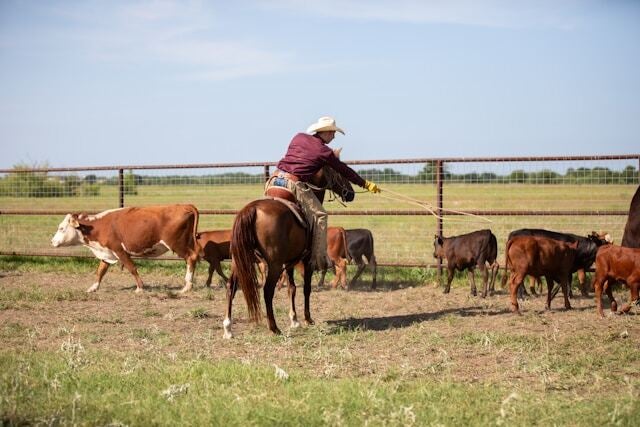
Rodeo organizers and management teams face increasingly complex regulations designed to protect animal welfare during events. California Penal Code Section 596.7 establishes specific requirements for rodeos, including mandatory veterinary presence, injury reporting protocols, and equipment restrictions. If you're involved in rodeo management and facing citations or charges under this statute, understanding the law's requirements and potential defenses is essential to protecting your business and reputation.
What California Law Defines as a Rodeo
Before diving into the legal requirements, it's important to understand what qualifies as a rodeo under California Penal Code Section 596.7. The statute defines a rodeo as a performance featuring competition between participants that includes three or more specific events: bareback bronc riding, saddle bronc riding, bull riding, calf roping, steer wrestling, or team roping.
Not every event featuring these activities automatically triggers the statute's requirements. The law specifically targets rodeos performed on private property where admission is charged, where organizers sell or accept sponsorships, or where the event is open to the public. This definition encompasses both professionally sanctioned rodeos and amateur competitions, meaning compliance obligations extend across the entire spectrum of rodeo events in California.
Mandatory Veterinary Requirements
The cornerstone of Section 596.7 involves ensuring proper veterinary care for animals participating in rodeo events. California law requires rodeo management to have a veterinarian licensed to practice in California present at all times during performances. Alternatively, management may arrange for an on call veterinarian who can arrive at the rodeo within one hour after someone determines that an injury requires veterinary treatment.
This requirement places significant responsibility on rodeo organizers. You must either hire a veterinarian to remain on site throughout the entire event or establish a reliable on call arrangement with a licensed professional who can respond quickly to emergencies.
Access and Authority of Veterinarians
The attending or on call veterinarian must have complete access to any area of the rodeo where animal events occur. This provision ensures veterinarians can observe events, assess animal conditions, and intervene when necessary without facing barriers from rodeo staff or management.
Additionally, veterinarians hold the authority to declare any animal unfit for use in any rodeo event when they have good cause to do so. This power protects animals from participating when they show signs of illness, injury, or stress that could worsen through competition. Rodeo management must respect these determinations even when they create inconveniences or disrupt scheduled events.
Injury Response and Reporting Protocols
When an animal sustains an injury during or as a result of a rodeo event, California law mandates immediate action. The injured animal must receive examination and appropriate treatment from the attending veterinarian right away. If using an on call arrangement, treatment must begin within one hour of determining the injury requires veterinary attention.
These time requirements leave little room for delay. Rodeo management must have systems in place to quickly identify injuries, contact the on call veterinarian if necessary, and facilitate immediate treatment. Failing to act promptly can result in violations even if you eventually provide veterinary care.
Written Injury Reports
Beyond providing immediate treatment, the attending or on call veterinarian must submit a brief written listing of any animal injury requiring veterinary treatment to the California Veterinary Medical Board. This report must be filed within 48 hours of the rodeo's conclusion.
While this reporting obligation falls directly on the veterinarian rather than rodeo management, organizers should ensure their veterinary agreements include clear language about reporting responsibilities. Maintaining good communication with your veterinarian helps ensure compliance with this requirement.
Animal Transportation Requirements
Rodeo management must ensure appropriate conveyance is available at all times for the immediate and humane removal of any injured animal. This requirement means having proper trailers, vehicles, or other transportation ready throughout the event. You cannot wait until an injury occurs to arrange for animal transportation.
Electric Prod Restrictions
Section 596.7 specifically addresses the use of electric prods or similar devices on animals. The law prohibits using these devices on any animal once it enters the holding chute unless necessary to protect rodeo participants and spectators.
This restriction recognizes that while electric prods may serve legitimate safety purposes in certain situations, their routine use on animals in holding chutes constitutes unnecessary stress and potential abuse. The exception for participant and spectator protection creates a narrow circumstance where use remains permissible, but rodeo staff should rely on this exception only when genuine safety concerns exist.
Penalties for Violations
California classifies violations of Penal Code Section 596.7 as infractions rather than misdemeanors or felonies. However, the financial penalties can be substantial and escalate with repeated violations.
A first violation carries a fine between $500 and $2,000. For a second or subsequent violation, fines increase to between $1,500 and $5,000. These penalties apply per violation, meaning multiple infractions during a single event could result in cumulative fines that significantly impact your business.
Beyond monetary penalties, violations can damage your reputation within the rodeo community, affect relationships with sponsors, and potentially lead to difficulties obtaining permits for future events.
Common Defense Strategies
If you're facing allegations of violating Penal Code Section 596.7, several defense strategies may apply depending on your specific circumstances.
Challenging the Rodeo Definition
If your event doesn't meet the statutory definition of a rodeo, Section 596.7 doesn't apply. Perhaps your event featured only two of the specified competitions, or maybe it was a truly private gathering that didn't charge admission, accept sponsorships, or open to the public. Establishing that your event falls outside the law's scope provides a complete defense.
Demonstrating Compliance Efforts
Even when technical violations occur, demonstrating good faith compliance efforts can influence outcomes. If you made reasonable arrangements for veterinary services but faced unexpected circumstances beyond your control, this evidence may mitigate penalties or support dismissal of charges.
Documentation proves invaluable here. Contracts with veterinarians, correspondence arranging on call services, photographs of transportation equipment, and staff training records about equipment restrictions all demonstrate your commitment to compliance.
Questioning Injury Determinations
Disputes sometimes arise about whether an animal actually sustained an injury requiring veterinary treatment or whether the injury occurred during the rodeo event itself. If evidence shows an animal had a pre existing condition or was injured outside the rodeo context, this challenges the foundation of the alleged violation.
Addressing On Call Response Times
If you arranged for an on call veterinarian and an injury occurred, prosecutors must prove the veterinarian failed to begin treatment within the required one hour timeframe. Carefully documenting when injuries were identified, when the veterinarian was contacted, and when treatment actually began can refute allegations that you violated response time requirements.
Traffic conditions, distance, and other factors affecting response time matter. If your on call veterinarian made reasonable efforts to arrive promptly but faced circumstances beyond their control, this context supports your defense.
Electric Prod Safety Justification
When facing allegations of improper electric prod use, the participant and spectator safety exception provides a potential defense. If staff used these devices to prevent a dangerous situation from harming people, this justification may excuse what otherwise appears to be a violation.
Witness statements from staff, participants, or spectators describing the specific safety concern, along with any video footage of the incident, can substantiate claims that electric prod use was necessary for protection.
Preventative Compliance Measures
The best defense against Penal Code Section 596.7 violations involves implementing comprehensive compliance measures before problems arise.
Start by thoroughly reviewing the statute's requirements and creating written protocols addressing each provision. Designate specific staff members responsible for veterinary coordination, injury response, and equipment monitoring. Provide training to all personnel who interact with animals about legal requirements and proper procedures.
Establish relationships with multiple licensed veterinarians who can serve as backups if your primary on call veterinarian becomes unavailable. Maintain detailed records of all veterinary arrangements, including contracts, contact information, and response time estimates based on typical travel conditions.
Inspect transportation equipment before each event to ensure it's suitable for humane animal removal. Keep maintenance records demonstrating your commitment to animal welfare.
Create clear policies about electric prod use that limit these devices to genuine safety emergencies. Train staff to recognize situations where use may be justified while emphasizing that routine use violates California law.
Working With Legal Counsel
When facing allegations of violating rodeo animal welfare requirements, consulting with an attorney experienced in California animal law and regulatory compliance protects your interests. An attorney can review the specific allegations against you, evaluate the strength of the prosecution's case, and develop a defense strategy tailored to your situation.
Legal counsel can also help you implement compliance systems that prevent future violations, review contracts with veterinarians and other service providers, and represent you in negotiations with prosecutors or at hearings.
The Broader Context of Animal Welfare Laws
California maintains some of the nation's strictest animal welfare regulations, reflecting the state's commitment to protecting animals used in entertainment and commercial activities. Understanding Section 596.7 within this broader legal framework helps rodeo organizers anticipate evolving requirements and maintain operations that respect both tradition and animal welfare.
Moving Forward
Rodeo management involves balancing tradition, entertainment, competition, and animal welfare. California Penal Code Section 596.7 establishes clear requirements designed to protect animals while allowing rodeos to continue. Whether you're facing current violations or working to prevent future problems, understanding the law's requirements and available defenses empowers you to make informed decisions.
With proper planning, comprehensive compliance systems, and knowledgeable legal guidance when needed, rodeo organizers can successfully navigate California's regulatory environment while continuing to provide exciting events that respect animal welfare. Taking these requirements seriously protects not only the animals in your care but also your business reputation and financial stability.
Comments
There are no comments for this post. Be the first and Add your Comment below.
Leave a Comment