
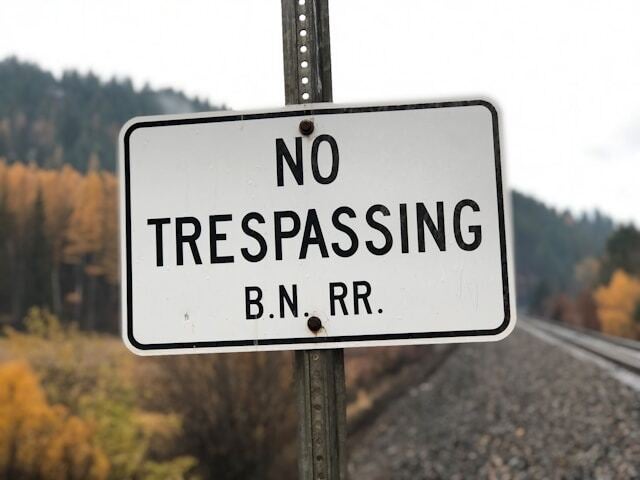
California Penal Code Section 602 is one of the most frequently charged criminal statutes in the state, yet it remains widely misunderstood by those facing accusations. This comprehensive trespass law encompasses dozens of specific prohibited acts, each with unique elements that prosecutors must prove beyond a reasonable doubt. Understanding the nuances of your particular trespass charge is essential for mounting an effective defense and protecting your rights.
The Broad Scope of California's Trespass Law
Unlike many criminal statutes that prohibit a single specific act, Penal Code 602 criminalizes numerous different forms of trespass. The statute contains over twenty distinct subdivisions, each describing different circumstances that constitute criminal trespass. This complexity creates both challenges and opportunities for defendants and their attorneys.
Most people associate trespass with simply entering someone's property without permission. While unauthorized entry does constitute one form of trespass, California law extends criminal liability far beyond this basic scenario. You can face trespass charges for damaging property, refusing to leave when asked, entering restricted areas, or even building fires on posted land without written permission.
The variety of acts covered by Penal Code 602 means that prosecutors often have discretion in how they charge trespass cases. The same conduct might violate multiple subdivisions, each with slightly different elements and potential defenses. Understanding which specific subdivision applies to your case becomes the foundation of your defense strategy.
Common Types of Trespass Charges
Property Damage and Theft Related Trespass
Several subdivisions of Penal Code 602 address trespass combined with property damage or removal. These include cutting down or destroying timber on another's land, carrying away wood or timber, severing anything attached to another's property, and removing earth, soil, or stone from city lots or public streets without permission.
Defense attorneys handling these charges carefully examine whether prosecutors can prove both the trespass element and the damage or removal element. Perhaps you had permission to be on the property but misunderstood the scope of that permission. Maybe you reasonably believed the materials you removed were abandoned or that you had authority to harvest timber under a prior agreement.
Charges involving signs and notices represent another common category. Damaging highway markers, directional signs, fire control notices, or posting unauthorized advertisements on public or private property all constitute specific forms of trespass. These charges often arise from misunderstandings about property boundaries or disputes over competing uses of shared spaces.
Agricultural and Livestock Related Trespass
California's agricultural economy explains why Penal Code 602 includes multiple subdivisions specifically protecting farms and ranches. Entering oyster beds without permission, trespassing on livestock operations, and entering cultivated or fenced agricultural land all trigger criminal liability under specific circumstances.
These agricultural trespass provisions require proper posting of no trespass signs at specified intervals. For livestock operations, signs must be displayed at intervals of at least three per mile along all exterior boundaries and at all roads and trails entering the land. Without proper posting, prosecutors cannot prove violations of these particular subdivisions.
Defense attorneys challenge agricultural trespass charges by examining whether posting requirements were met, whether defendants had legitimate business on the property, and whether the land actually qualified as an agricultural operation under the statute. Perhaps the property wasn't actively being used for animal husbandry when you entered, or maybe you were there to conduct business with the owner who wasn't present.
Entering and Refusing to Leave Private Property
The most commonly charged trespass violations involve entering private property without consent or refusing to leave when asked. These charges frequently arise from disputes between neighbors, domestic situations, retail theft investigations, and homeless individuals seeking shelter.
Subdivision (m) criminalizes entering and occupying real property or structures without the owner's consent. This provision applies broadly to any unauthorized entry with intent to occupy. Prosecutors must prove you knew you lacked permission and intended to occupy the space, not merely pass through.
Subdivision (o) addresses refusing to leave property after being asked by peace officers or property owners. This provision allows for extended enforcement periods when property owners submit written requests to law enforcement covering specified time periods. These advance requests enable police to remove trespassers without requiring property owners to be present for each incident.
Defense strategies for these charges focus on whether you actually lacked permission to be present, whether you knew the property was private, whether requests to leave were clearly communicated, and whether the person asking you to leave had authority to do so. Ambiguous situations involving shared property, tenant disputes, or unclear boundaries provide fertile ground for reasonable doubt.
Vehicle Trespass on Private Property
Driving vehicles onto private property not open to public use without consent constitutes trespass under subdivision (n). This charge commonly arises when people use private driveways or parking areas without authorization, drive across farmland, or access gated communities without permission.
Process servers have a specific exemption allowing them to drive onto private property to serve legal documents, provided they immediately attempt service and leave promptly. This exemption recognizes the necessity of entering private property for legitimate legal purposes.
Defense attorneys handling vehicle trespass charges investigate whether the property was actually private, whether it appeared open to public use, whether posted signs provided adequate notice, and whether defendants had reasonable belief they were permitted to enter. Many properties have ambiguous access that could lead reasonable people to believe they were welcome.
Specialized Trespass Provisions
Penal Code 602 includes numerous specialized provisions addressing specific contexts. These include entering closed public lands, refusing to leave public buildings during closed hours, skiing in closed areas, refusing to pay and leave hotels, entering airport operations areas, avoiding security screening at airports or courthouses, and entering domestic violence shelters without authorization.
Each specialized provision contains unique elements and defenses. Airport trespass charges require specific posting at regular intervals. Hotel trespass applies only to short term occupancies exempt from landlord tenant protections. Public building trespass requires that surrounding circumstances would indicate to reasonable people that they had no lawful business present.
Understanding the Willfulness Requirement
Nearly all Penal Code 602 violations require prosecutors to prove you acted willfully. This means you performed the act on purpose, not that you intended to break the law or knew you were trespassing. The willfulness element creates important defense opportunities.
Accidental trespass doesn't satisfy the willfulness requirement. If you unknowingly crossed a property line because boundaries weren't clearly marked, or you entered property believing you had permission, you may lack the required mental state for conviction. Defense attorneys present evidence showing your entry was inadvertent or based on reasonable but mistaken beliefs about your authorization.
The statute doesn't require specific intent to violate the law or even knowledge that your conduct was prohibited. However, demonstrating you acted on honest and reasonable beliefs about your right to be present can create reasonable doubt about whether you willfully trespassed as opposed to making an innocent mistake.
Penalties and Consequences of Trespass Convictions
Most Penal Code 602 violations are misdemeanors punishable by up to six months in county jail, fines up to $1,000, or both. However, penalties vary significantly depending on which subdivision applies and whether you have prior convictions.
First time airport security screening violations carry only $500 fines. Second violations become misdemeanors with potential jail time. First violations that cause terminal evacuations and flight disruptions can result in up to one year in jail even without prior offenses.
Domestic violence shelter trespass convictions always carry potential one year jail sentences and may require defendants to pay relocation expenses for victims who must move due to the trespass. Hospital maternity area trespass escalates for second offenses and may require mandatory counseling.
Beyond immediate criminal penalties, trespass convictions create criminal records that affect employment, housing, professional licensing, and immigration status. Many employers conduct background checks that reveal misdemeanor convictions. Landlords frequently deny housing applications from people with criminal records. Professional boards may discipline or deny licenses based on criminal convictions including trespass.
Effective Defense Strategies for Trespass Cases
Challenging Lack of Knowledge
Many successful trespass defenses center on demonstrating defendants didn't know they were on private property or in restricted areas. Perhaps property boundaries were unclear, fencing was absent or inadequate, or you reasonably believed you had permission based on past practice.
Private property that appears open to public use creates ambiguous situations. Unfenced land without posted signs, areas where public frequently walk without objection, and properties with multiple access points all suggest openness that negates the notice required for some trespass violations.
Defense attorneys present photographs showing lack of fencing or inadequate posting, testimony from neighbors about community use patterns, and evidence of your reasonable belief that access was permitted. This evidence creates reasonable doubt about whether you knowingly trespassed.
Establishing Permission or Legal Authority
Proving you had permission to be on property provides a complete defense to trespass charges. Permission can be express or implied based on circumstances. Perhaps the property owner previously told you that you could access the property, or the nature of the property suggested public welcome.
Businesses open to the public impliedly permit entry during business hours for legitimate purposes. Retail stores, restaurants, and similar establishments cannot claim trespass simply because they later decide they want particular customers excluded, unless those customers were clearly informed they were not welcome.
Legal authority to be present also defeats trespass charges. Tenants have rights to remain in rental properties even when landlords want them to leave. People with easements or other property rights cannot be criminally trespassed from exercising those rights. Government officials performing lawful duties have authority to enter certain properties despite owner objections.
Demonstrating Inadequate Notice
Many Penal Code 602 subdivisions require specific posting of no trespass signs at designated intervals. When these posting requirements aren't met, prosecutors cannot prove violations of those particular subdivisions, even if you were technically on private property without permission.
Defense attorneys carefully measure distances between posted signs, photograph properties showing insufficient or improper posting, and present expert testimony about legal requirements for adequate notice. Technical failures in meeting statutory posting requirements provide strong defenses.
Even subdivisions without specific posting requirements typically require that defendants had notice they weren't permitted on the property. Lack of fencing, absence of signs, and property features suggesting public access all undermine claims that you had adequate notice your presence was unauthorized.
Asserting Necessity and Emergency Defenses
California law recognizes necessity as a defense to criminal charges when defendants reasonably believed they needed to engage in otherwise criminal conduct to prevent greater harm. This defense sometimes applies to trespass charges.
Perhaps you entered private property to escape immediate danger, render emergency aid to someone in distress, or prevent serious property damage. If your trespass was reasonable under emergency circumstances and you departed once the emergency passed, necessity may provide a complete defense.
Similarly, if you entered property due to duress or coercion by others, you may lack criminal culpability. Someone forced onto property against their will hasn't willfully trespassed. Defense attorneys present evidence of threats, force, or emergency circumstances justifying otherwise prohibited entry.
Challenging Credibility and Police Procedures
Many trespass cases involve credibility disputes about whether you were clearly asked to leave, whether you had permission to be present, or whether circumstances indicated you lacked lawful business. Defense attorneys carefully cross examine complainants and police officers to expose inconsistencies, biases, or procedural irregularities.
Video evidence often proves crucial in trespass cases. Surveillance footage, body camera recordings, and cell phone videos can show whether you were clearly told to leave, whether you complied with requests, and whether your conduct was truly unauthorized. Attorneys subpoena and analyze video evidence to support defense theories.
Special Considerations for Specific Situations
Tenant and Landlord Disputes
Trespass charges frequently arise from landlord tenant conflicts when property owners try to force tenants out through criminal proceedings rather than proper eviction processes. California law provides substantial protections for tenants that supersede trespass statutes in many circumstances.
If you're a tenant with a valid lease or protected tenancy under California landlord tenant laws, you generally cannot be criminally trespassed from your rental unit even if the landlord wants you to leave. Landlords must follow civil eviction procedures, not criminal trespass laws, to remove tenants with legal possession rights.
Defense attorneys facing trespass charges involving residential tenancies immediately investigate whether the defendant had tenant rights that preclude criminal prosecution. Lease agreements, rent payment records, and evidence of continuous occupancy establish protected tenant status.
Retail and Business Settings
Stores and businesses can exclude customers for various reasons, but trespass charges require clear communication that particular individuals are not welcome. Simply asking someone to leave during a single incident typically doesn't establish the notice required for criminal trespass on subsequent visits.
Subdivision (t) allows for long term trespass enforcement against people previously convicted of crimes on particular properties, but only after following specific notification procedures through law enforcement. Without these formal notices, businesses cannot have customers arrested for trespass simply because they previously had conflicts with them.
Defense strategies in retail trespass cases focus on whether you received clear notice of exclusion, whether any such notice was legally valid, and whether you actually knew you weren't welcome when you returned to the property.
Labor Union Activity Exemptions
Penal Code 602 specifically exempts lawful labor union activities permitted under California Agricultural Labor Relations Act or federal National Labor Relations Act. Union organizers, picketers, and workers engaged in protected labor activities cannot be charged with trespass when exercising rights granted by labor laws.
This exemption protects significant worker organizing activities that might otherwise appear to constitute trespass. Defense attorneys representing union members or organizers facing trespass charges immediately examine whether the alleged trespass occurred during protected labor activities.
Why Experienced Legal Representation Matters
The complexity of Penal Code 602 with its numerous subdivisions, technical requirements, and fact specific defenses demands experienced criminal defense representation. What appears to be a straightforward trespass case often involves complicated questions of property rights, notice requirements, and defendant knowledge that only skilled attorneys can effectively navigate.
Prosecutors and police often misapply trespass laws, charging violations under incorrect subdivisions or in situations where defendants had legal authority to be present. Without knowledgeable defense attorneys identifying these errors, defendants may face conviction for conduct that wasn't actually criminal.
Our experienced criminal defense team has successfully defended countless trespass cases by carefully analyzing which specific Penal Code 602 subdivision applies, identifying deficiencies in the prosecution's evidence, and presenting compelling evidence of permission, mistake, or inadequate notice. We understand both the legal technicalities and practical realities of trespass cases.
Contact us immediately if you're facing any type of trespass charge under Penal Code 602. We'll review the specific allegations against you, explain your legal options, and develop a defense strategy designed to achieve the best possible outcome. Don't let a misdemeanor trespass conviction create a permanent criminal record that affects your future.
Comments
There are no comments for this post. Be the first and Add your Comment below.
Leave a Comment