
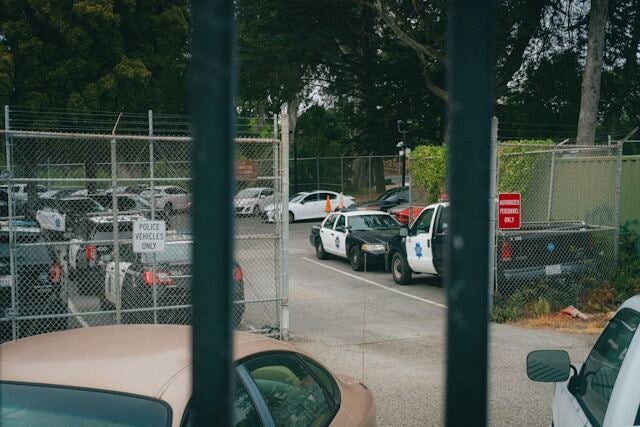
California's privacy laws contain a unique exception allowing airport law enforcement officers to record incoming calls to public emergency and contact lines. Penal Code Section 633.1 permits these recordings under specific circumstances at international airports with permanent customs facilities. If you face criminal charges based on evidence obtained through airport police recordings, understanding the scope and limits of this exception becomes crucial to mounting an effective defense.
The Airport Law Enforcement Recording Exception
Penal Code 633.1 creates a narrow exception to California's strict recording consent requirements for airport law enforcement personnel. This statute recognizes the unique security challenges at international airports and the need for law enforcement to document threats, emergencies, and other communications received through public contact lines.
The exception applies specifically to airport law enforcement officers as defined under California law. These officers must be regularly employed in that capacity and acting within the scope of their official duties. The statute does not extend to all airport employees or security personnel, only to sworn law enforcement officers with specific legal authority.
Airport police can record communications received on incoming telephone lines when callers use publicly known numbers for contacting airport law enforcement. This typically includes emergency lines, non emergency police contact numbers, and other published telephone numbers the public uses to reach airport police departments. The key limitation requires that the phone number be known to the public as a means of contacting airport law enforcement.
A critical requirement mandates that callers receive notice through electronic tones indicating their calls are being recorded. This notification requirement provides some privacy protection by alerting people that their words are being captured. The electronic tones must sound before recording begins, giving callers the opportunity to know their communications will be preserved.
The statute applies only at airports meeting specific criteria. The facility must maintain regularly scheduled international airport service, meaning flights arriving from or departing to international destinations. Additionally, the airport must have permanent facilities operated by the United States Customs Service. These requirements limit the exception to major international airports rather than smaller regional facilities.
Why This Exception Exists
Understanding the policy rationale behind this recording exception helps evaluate its proper scope and limitations. International airports face unique security challenges that prompted legislators to grant recording authority to airport law enforcement.
Threats against aviation targets remain serious concerns requiring careful documentation and investigation. When individuals call airport police with bomb threats, warnings about suspicious activity, or other security related communications, recording these calls preserves critical evidence for investigations and potential prosecutions. The ability to review exact statements made by callers improves law enforcement response and accountability.
Emergency situations at airports require coordination among multiple agencies and personnel. Recording incoming calls to airport police creates records that help evaluate response effectiveness, identify communication breakdowns, and improve future emergency management. These recordings serve operational purposes beyond criminal investigations.
False reports and hoax calls to airport police create significant disruptions and drain resources. Recording calls deters false reporting by creating evidence that can support prosecution of those making fraudulent emergency calls. The knowledge that calls are recorded may discourage pranksters and those considering making false threats.
However, the exception remains limited in scope. Legislators balanced security interests against privacy concerns by restricting when airport police can record calls and requiring notification through electronic tones. These limitations acknowledge that even at airports, privacy rights deserve protection and recording authority should not extend beyond genuine law enforcement needs.
Scope and Limitations of the Recording Authority
The narrow scope of Penal Code 633.1 creates several important limitations that defense attorneys examine when challenging evidence obtained through airport police recordings.
The exception only permits recording incoming calls to public law enforcement contact numbers. Outgoing calls made by airport police do not fall within this exception. If officers call suspects, witnesses, or others and record those conversations without consent, different legal standards apply and the recording may violate California's consent requirements.
The statute specifically requires that telephone numbers be known to the public as means of contacting airport law enforcement. Private or unpublished numbers do not qualify for this exception. If airport police record calls to numbers not publicly advertised as law enforcement contact lines, those recordings fall outside statutory authority.
Recording can only occur when the required electronic tone notification has been provided. Calls recorded without this audible warning do not comply with statutory requirements. The notification serves as a substitute for express consent by alerting callers that recording is occurring and allowing them to end the call if they desire privacy.
Officers must be acting within the scope of their authority for the exception to apply. Personal calls, recordings made for purposes unrelated to law enforcement duties, or surveillance exceeding official responsibilities do not receive statutory protection. Defense attorneys investigate whether officers had legitimate law enforcement reasons for recordings or exceeded their authority.
The airport must meet the statutory criteria of maintaining international service and permanent customs facilities. Recordings made at airports not meeting these requirements fall outside the exception. Defense challenges may focus on whether the specific airport actually qualified under the statute at the time recordings occurred.
Constitutional Considerations Beyond the Statutory Exception
Even when Penal Code 633.1's requirements are technically satisfied, constitutional protections still apply. The statutory exception does not eliminate Fourth Amendment constraints on government surveillance and recording.
The Fourth Amendment protects against unreasonable searches and seizures. While people generally have reduced privacy expectations when calling public law enforcement numbers, some constitutional protections remain. Courts balance legitimate government interests against individual privacy rights when evaluating constitutional challenges.
The content and scope of recorded conversations matter for constitutional analysis. Recording information directly related to the reason for calling law enforcement typically raises few constitutional concerns. However, if conversations extend far beyond the initial purpose and officers elicit unrelated information, closer scrutiny may be warranted.
Expectations of privacy vary depending on circumstances. Someone calling to report a crime or emergency has limited privacy expectations for that call. By contrast, a caller who contacts police and then discusses unrelated personal matters might reasonably expect those portions would not be recorded or used against them.
Courts also consider whether law enforcement used recordings for purposes beyond legitimate law enforcement functions. If airport police recorded calls and then shared them inappropriately, used them for personal reasons, or employed them in ways unrelated to official duties, constitutional violations may have occurred.
Common Defense Challenges to Airport Police Recordings
When criminal charges rest on evidence from airport law enforcement recordings, several defense strategies can challenge admissibility and undermine prosecution cases.
Statutory compliance challenges examine whether all requirements of Penal Code 633.1 were satisfied. Defense attorneys obtain copies of recordings to verify that electronic tone notifications were actually provided before recording began. If the required warning was absent or inadequate, the recording violated statutory requirements and may be suppressible.
Questions about whether the telephone number actually was publicly known as a law enforcement contact line create another challenge avenue. Defense lawyers investigate how the number was published, whether the public would reasonably understand it as a police contact number, and whether airport police held the number out as a means for reaching law enforcement. Numbers not clearly identified as law enforcement lines may fall outside the statutory exception.
Authentication and chain of custody challenges attack the reliability and integrity of recordings. Defense attorneys examine how recordings were stored, who had access to them, whether opportunities for editing or manipulation existed, and whether proper procedures were followed to maintain evidence integrity. Any gaps in chain of custody or evidence handling irregularities can support exclusion arguments.
Scope of authority challenges focus on whether officers were truly acting within their official duties when making recordings. If recordings occurred during off duty hours, for personal reasons, or in circumstances suggesting improper purposes, the statutory exception may not apply. Criminal defense attorneys carefully investigate the context surrounding recordings to identify authority limitations.
The Notice Requirement and Its Defense Implications
The electronic tone notification requirement serves important purposes and creates specific defense opportunities when not properly implemented.
The notification tones must occur before recording begins, giving callers actual notice that their words are being captured. Delayed notification that occurs after sensitive statements have already been recorded does not satisfy statutory requirements. Defense attorneys carefully review when notification occurred relative to the start of recording.
The tones must be sufficiently audible and recognizable to provide meaningful notice. If notification sounds are too quiet, too brief, or otherwise inadequate to alert reasonable callers that recording is occurring, the notice requirement has not been met. Technical experts can evaluate whether notification complied with the statute's purpose of providing genuine awareness.
Some callers may not recognize electronic tones as recording notifications, particularly if they have hearing impairments or use devices that distort audio. Questions arise about whether the notification requirement demands actual understanding or merely audible tones. Defense arguments can emphasize that the purpose of notification is to provide real awareness, not simply to produce sounds.
The interaction between the notification requirement and consent principles deserves examination. Does the notification combined with the caller's decision to continue communicating constitute implied consent? Or does the statutory exception operate independently of consent? These legal questions can affect how evidence is evaluated and whether additional consent requirements might apply.
When Airport Police Exceed Their Recording Authority
Airport law enforcement officers sometimes record communications in situations not covered by Penal Code 633.1's exception. Identifying these situations provides defense opportunities to challenge evidence and potentially suppress recordings.
Recordings of in person conversations at airports do not fall within this statute's exception. Penal Code 633.1 specifically addresses telephone communications received on incoming lines. If airport police record face to face conversations without all party consent, different legal standards apply and California's strict consent requirements typically govern.
Outbound calls from airport police to suspects, witnesses, or others require consent from all parties absent other applicable exceptions. The incoming call exception does not authorize recording of outgoing communications. Defense attorneys examine the direction of calls and who initiated contact when evaluating whether statutory authority existed.
Calls to numbers not publicly advertised as law enforcement contact lines receive no protection under this exception. If airport police maintain unpublished numbers or use recording equipment on lines not known to the public as police contact numbers, those recordings likely violate California's consent requirements.
Officers working in capacities other than law enforcement cannot invoke this exception. An airport police officer who happens to work part time in airport administration and records calls in that capacity lacks statutory authority. The exception requires officers to be acting as law enforcement officers within their official duties.
Practical Implications When Contacting Airport Police
Understanding that airport law enforcement may record calls affects how you should approach communications with airport police departments.
When calling publicly advertised airport police numbers, expect that conversations will be recorded. The electronic tone notification should alert you to recording, but even without clear notification, assume international airports with customs facilities record incoming police calls.
Exercise caution about what information you provide when calling airport law enforcement. While you should honestly report emergencies, threats, or legitimate concerns, remember that recorded statements could potentially be used in unexpected ways. If you need to discuss sensitive matters, consider whether a phone call to a recorded line is the most appropriate communication method.
Your right to remain silent applies even when calling police for assistance. If airport officers begin questioning you about potential criminal activity during a call, you can decline to answer questions without an attorney present. The fact that you initiated contact does not waive your constitutional rights against self incrimination.
If you realize during a call that police are asking questions suggesting you may be a suspect rather than simply a reporting party, strongly consider ending the conversation and consulting with legal counsel before providing additional information. Recorded statements made without awareness of your legal position can severely damage your defense options.
How These Recordings Impact Criminal Cases
Evidence obtained through airport police recordings can play significant roles in criminal prosecutions. Understanding how this evidence is used helps prepare effective defenses.
Prosecutors often use recorded calls to establish key facts about crimes. Statements made by defendants, witnesses, or victims during calls to airport police create evidence about what occurred, when events happened, and who was involved. Defense attorneys carefully analyze these recordings to identify inconsistencies, ambiguities, or alternative interpretations that support defense theories.
Voice identification sometimes becomes an issue when recorded calls contain statements from unidentified callers. Prosecutors may claim a defendant made incriminating statements in recorded calls to airport police. Defense challenges focus on whether voice identification evidence is reliable and whether prosecutors can actually prove who was speaking.
Context matters enormously when evaluating recorded calls. Statements that seem incriminating in isolation may appear innocent when full context is understood. Defense attorneys ensure that juries hear complete recordings with all context rather than carefully selected excerpts that mislead about the full conversation.
The emotional state and circumstances of callers affect how statements should be interpreted. Someone calling in a panic about an emergency may make statements that are confused, exaggerated, or inaccurate. Defense experts can testify about how stress and fear affect perception and communication, providing context that explains apparent inconsistencies or problems with recorded statements.
Protecting Your Rights in Airport Related Investigations
If you become involved in a criminal investigation arising from events at an airport or communications with airport police, taking steps to protect your rights becomes essential.
Do not assume that contacting police to report incidents protects you from becoming a suspect. While most people calling airport law enforcement are reporting parties or witnesses, situations exist where reporting parties end up facing investigation themselves. Be thoughtful about what information you provide and consider consulting an attorney before making statements in complex situations.
If airport police contact you for questioning about potential criminal activity, exercise your right to legal representation before answering substantive questions. Whether contact occurs by phone, in person, or through other means, you have constitutional rights to counsel and to remain silent. Invoking these rights protects you from inadvertent self incrimination.
Airport environments create unique pressures and concerns that may influence your decisions during encounters with law enforcement. Security concerns, travel pressures, and the unfamiliar setting can lead to hasty decisions. Take time to think carefully about interactions with airport police and do not let urgency or pressure override your rights.
Request copies of any recordings if you become aware that airport police recorded communications with you. While authorities may not immediately provide recordings, your attorney can seek discovery of this evidence through appropriate legal channels. Reviewing recordings helps evaluate what evidence exists and plan defense strategies.
Building Strong Defenses in Airport Related Cases
Criminal charges arising from events at airports or evidence obtained through airport police recordings require comprehensive defense strategies addressing unique aspects of airport law enforcement authority.
Experienced defense attorneys understand the specific statutory provisions governing airport police recording authority. They know what requirements must be met for recordings to fall within the Penal Code 633.1 exception and how to challenge recordings that exceed statutory boundaries.
Technical expertise proves valuable when analyzing recordings and related evidence. Defense teams work with audio forensic experts who can evaluate recording quality, identify potential editing or manipulation, and provide testimony about limitations of recorded evidence.
Understanding airport operations, security protocols, and law enforcement practices helps develop effective defense theories. Attorneys who regularly handle airport related cases bring specialized knowledge about how these investigations typically unfold and where problems commonly arise.
Constitutional challenges remain available even when statutory exceptions technically apply. Skilled defense lawyers examine whether airport police respected Fourth Amendment protections and whether recordings were obtained or used in ways violating constitutional rights.
The Importance of Experienced Legal Counsel
Cases involving airport police recordings present distinct legal issues requiring attorneys with specific knowledge about these statutory exceptions and airport law enforcement practices.
The intersection of aviation security concerns, privacy protections, and criminal law creates complex questions that significantly impact case outcomes. Defense attorneys must understand not only recording statutes but also airport operations and federal aviation security regulations that may intersect with state criminal charges.
Early legal representation protects your rights during investigations and helps prevent statements or actions that could damage your defense. Airport related investigations often move quickly due to security concerns, making prompt legal advice especially important.
If you face charges based on evidence from airport police recordings or become involved in investigations at international airports, consulting experienced criminal defense counsel provides essential protection for your rights and interests. Understanding your legal position and available defenses helps ensure the best possible outcome in your case.
Comments
There are no comments for this post. Be the first and Add your Comment below.
Leave a Comment