
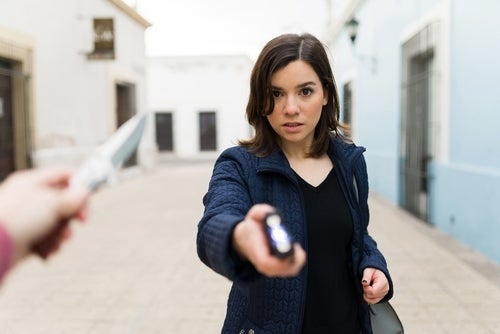
California Penal Code § 693 protects your right to defend yourself or others from immediate harm. This statute allows individuals to use reasonable force when faced with the threat of violence, reflecting California's firm stance on personal safety and proactive defense. Whether defending yourself, a loved one, or a stranger, knowing what the law allows—and where the limits lie—is essential.
What Does Penal Code 693 Allow?
Penal Code § 693 allows the use of reasonable resistance to prevent offenses against yourself or someone else. Importantly, it doesn't require you to wait until you're harmed before acting. This distinguishes California from jurisdictions that require retreat or limit preemptive self-defense.
However, the law draws a line: any use of force must be proportional to the threat. You can push someone away if they raise a fist to strike, but using a weapon in that same scenario could lead to charges unless there was a credible fear of serious injury.
Defining "Reasonable Resistance"
Reasonableness is the core of any self-defense claim under PC 693. Courts consider:
- The severity and immediacy of the threat
- Whether the aggressor was armed
- Relative size and strength of the parties
- Availability of escape without physical confrontation
These factors guide whether your actions were legally justified, or if they may result in prosecution. The standard is based on what a reasonable person would do in a similar situation.
Preemptive Self-Defense: No Need to Wait for Injury
California law allows action before an assault occurs, as long as the threat is credible and imminent. If someone threatens you with bodily harm and takes steps that make the threat real, such as reaching for a weapon or moving aggressively, you may use reasonable force to protect yourself.
This proactive right to defense is critical in situations where delay could result in serious injury or death. But again, your perception of the threat must be reasonable, and your response must match the danger.
Using Force to Defend Others
PC 693 also permits using force to protect others from immediate harm. This is particularly relevant when someone is defending a child, an elderly person, or a person with a disability. However, misjudging a situation can lead to legal consequences, so the defender must have a reasonable belief that intervention was necessary.
As with self-defense, the use of force to defend others must be proportional and immediate. If excessive force is used, or if the threat was misinterpreted, criminal charges may follow, especially in situations where the defendant is accused of threatening public officers.
Common Misconceptions About Self-Defense Law
Misunderstanding self-defense laws can result in unnecessary charges. Here are some myths:
- You can use deadly force in any threat situation – False. The threat must involve serious harm or death.
- Having a weapon gives you the right to use it – False. Reasonableness and necessity still apply.
- You can't be charged if you act in self-defense – False. The prosecution may still challenge your actions.
In any case involving the use of force, it's important to understand how self-incrimination laws and legal procedures may apply to your statements and actions during investigation.
Penalties for Unlawful Use of Force
If your use of force is found to be excessive or unreasonable, you may face misdemeanor or felony charges depending on the extent of the harm caused. Possible penalties include:
- Jail or prison time
- Probation with restrictive conditions
- Criminal record that affects employment or immigration status
Even if your intentions were to defend, the law requires strict adherence to proportionality. Overstepping these bounds—even under stress—can carry severe consequences.
Protecting Yourself Legally After a Self-Defense Incident
Documenting the situation immediately is essential. This includes:
- Calling law enforcement right away
- Obtaining medical attention for any injuries
- Photographing the scene or any visible damage
- Collecting witness names and contact information
These actions help establish your version of events and support your claim of reasonable force. If you're arrested or charged, knowing your rights under California bail laws is also important to protect your freedom during the legal process.
Challenges in Witness Testimony
Self-defense cases often rely on witness testimony. But as outlined in California witness laws, access to those witnesses or their contact information may be limited. Defense attorneys may need to formally request discovery or subpoena reluctant witnesses to ensure fair representation.
Why Legal Counsel Matters in Self-Defense Cases
Even if your actions were justified, prosecutors may still file charges. A skilled criminal defense attorney can help protect your rights, preserve evidence, and build a defense that shows your use of force was lawful and necessary.
An effective legal strategy often involves examining all evidence, retaining use-of-force experts, and identifying inconsistencies in the alleged victim's account. Early legal intervention can prevent charges from being filed or negotiate favorable outcomes if a case proceeds to trial.
Self-Defense Lawyers in California
If you were involved in a self-defense situation in California, the legal team at Bulldog Law is ready to help. Our attorneys understand how California Penal Code § 693 works in practice, and we know how to build a strong case when your freedom is on the line. Whether defending yourself, a loved one, or a stranger, we can guide you through every step of the process, from arrest to trial. Contact Bulldog Law today for a confidential consultation and trusted legal support.