
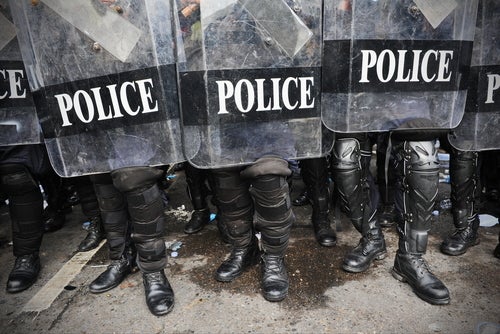
California Penal Code § 697 establishes a rarely discussed but significant area of criminal law that empowers law enforcement to take preventive action before a crime occurs. While the intent behind the statute is to enhance public safety, its application can affect the rights of individuals who have not been formally charged with or convicted of any offense. Understanding this law is critical for those facing preventive measures and for defense attorneys crafting a constitutional response.
What Is California Penal Code § 697?
This statute outlines three mechanisms that allow peace officers and magistrates to prevent public offenses before they occur:
- Requiring individuals to provide security to keep the peace (also known as peace bonds)
- Deploying police forces in “exposed places” where crimes are likely to occur
- Authorizing law enforcement to suppress riots
While proactive in nature, these methods raise concerns about due process, freedom of speech, and over-policing. For defendants, Penal Code § 697 often surfaces in cases where law enforcement acted preemptively, which opens the door for legal challenges regarding misuse or overreach.
Peace Bonds and Security to Keep the Peace
One of the main tools under Penal Code § 697 is the requirement that a person post security—typically a monetary bond—as a promise to maintain lawful behavior. These peace bonds may be ordered when someone is believed to be a potential threat to commit a crime or disturb public order. While useful in volatile situations, peace bonds are often imposed based on minimal evidence or subjective interpretation.
Defense attorneys can challenge the issuance of peace bonds by questioning the credibility of the threat or demonstrating that the individual's behavior does not rise to the level of requiring legal restraint. The low evidentiary threshold for imposing peace bonds makes them especially prone to misuse. These proceedings resemble other legal tools where preventive action is taken before trial, such as California Penal Code 702 examination procedures for criminal threat cases.
Police Deployment in Exposed Areas
Another method permitted under § 697 involves the formation of police forces to monitor “exposed places”—areas where law enforcement believes crime may occur. In modern practice, this provision supports tactics such as directed patrols, saturation policing, or increased visibility during public events.
However, courts scrutinize these deployments when they result in discriminatory practices or disproportionate surveillance of minority communities. Defense challenges may focus on whether a stop or arrest was based on legitimate suspicion or simply a result of arbitrary deployment. In some situations, these cases intersect with statutes like California Penal Code 694, which governs when citizens can legally assist law enforcement, particularly in crowd control and protest scenarios.
Suppression of Riots Under Penal Code § 697
The third authorized method permits law enforcement to intervene to suppress riots before they escalate into broader criminal activity. Officers may issue orders to disperse, make preventive arrests, or use force to break up gatherings deemed dangerous. However, this provision must be carefully balanced against constitutional rights.
Not all large gatherings are riots. Distinguishing between lawful protest and unlawful conduct is a recurring challenge in First Amendment jurisprudence. Defense attorneys often dispute whether the gathering constituted a riot or whether law enforcement acted prematurely or excessively. These cases often mirror those involving California Penal Code 701.5 and the legal protections for minor informants, where law enforcement discretion must be weighed against statutory safeguards.
Penalties and Legal Consequences Under Penal Code § 697
While the statute itself is focused on prevention, individuals affected by its enforcement may face real penalties if they violate a peace bond, refuse to disperse during riot suppression, or are arrested during a preventive police deployment. Penalties can include:
- Forfeiture of peace bond funds
- Criminal charges for resisting orders or obstructing officers
- Misdemeanor or felony riot-related charges
These penalties are often imposed even though the individual was not initially accused of a substantive crime. This unique aspect of § 697 makes strategic legal defense essential.
Constitutional Protections and Legal Challenges
Despite the broad authority granted by Penal Code § 697, law enforcement must still operate within the bounds of the U.S. Constitution. Defense attorneys regularly invoke the following constitutional protections in challenging misuse of the statute:
- Due Process: Peace bonds and preventive actions must follow proper legal procedures, including notice and a hearing.
- First Amendment: Riot suppression and police presence cannot be used to chill protected speech or peaceful assembly.
- Equal Protection: Preventive measures must not target individuals based on race, religion, or socioeconomic status.
Constitutional challenges often serve as the backbone of defense strategy, particularly in cases where defendants were arrested at protests or accused of threats without evidence of actual harm.
Modern Interpretation of Penal Code § 697
As crime prevention strategies evolve, so too does the interpretation of this statute. Recent developments include:
- Use of predictive policing algorithms to identify “exposed places”
- Deployment of surveillance drones during public gatherings
- Enhanced community-policing initiatives to prevent escalation in high-risk neighborhoods
Legal scrutiny has increased as courts consider whether these modern tools violate constitutional rights. Defense attorneys must remain agile in understanding how traditional statutes are applied in new contexts.
Defense Strategies Against Preventive Enforcement
Clients who are subject to actions under Penal Code § 697 need immediate and informed legal representation. Strategic defense includes:
- Disputing the existence of a credible threat supporting a peace bond
- Challenging the legality of the police deployment or stop
- Presenting evidence that the client was not involved in riotous behavior
- Raising constitutional objections in court filings and hearings
At Bulldog Law, our attorneys conduct thorough investigations into the context of the arrest or preventive action. We gather evidence, review officer reports, examine deployment plans, and question the use of force or surveillance tactics.
California Penal Code 697 Law Firm in California
If you or someone you know has been subjected to preventive law enforcement actions under California Penal Code § 697, contact Bulldog Law today. Our attorneys understand the legal complexities and constitutional issues involved in peace bond proceedings, riot-related arrests, and enhanced patrol deployments.
With extensive experience handling cases involving preventive enforcement, our firm provides aggressive, knowledgeable defense tailored to your unique circumstances. We will evaluate the legality of the law enforcement actions taken and fight to protect your rights throughout the process.
Reach out for a free consultation and let Bulldog Law help you challenge improper preventive measures and build a strong defense against any resulting charges.