
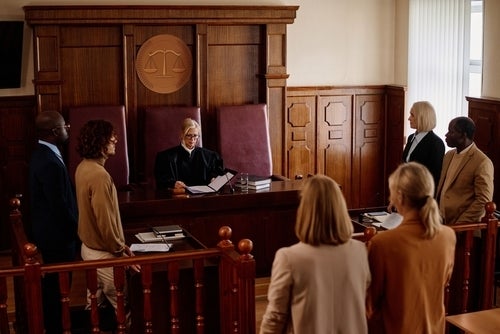
California Penal Code Section 936 establishes key powers for grand juries, granting them independent investigative authority that can shape criminal cases before formal prosecution even begins. These proceedings often operate outside the public eye, making them especially difficult for defendants to anticipate or understand.
At Bulldog Law, we have seen how grand jury investigations can dramatically alter the course of a criminal case. Defendants facing potential indictment must be aware of their rights and the unique procedures that apply to grand juries. This article provides an in-depth explanation of grand jury authority under Section 936 and what it means for criminal defense strategy in California.
Understanding Grand Jury Independence Under Section 936
Penal Code Section 936 authorizes California grand juries to operate with significant independence from local prosecutors. Specifically, it allows grand juries to hire their own special counsel and investigators to assist with the investigation and presentation of evidence. This structural autonomy is particularly important in cases involving sensitive matters such as public corruption or institutional misconduct.
From a defense standpoint, recognizing this independence is vital. A grand jury can pursue an indictment even when a district attorney's office chooses not to prosecute. The ability to bypass traditional prosecution channels makes early legal intervention critical in these cases.
Special Counsel and Investigative Authority
Section 936 enables grand juries to enlist outside legal and investigative experts. Special counsel can provide independent legal advice and help frame charges, while special investigators can interview witnesses, conduct forensic reviews, and collect evidence without relying on law enforcement agencies that may have conflicts of interest.
This independent investigative power has similarities to legal processes that affect complex offenses such as carjacking charges under California Penal Code 215, where early investigative findings can define the nature of prosecution and influence charge severity. Defense attorneys must understand the range and limits of these investigative powers to challenge overreach and safeguard client rights.
Evidentiary Standards and Indictment Thresholds
While grand juries do not need to find guilt beyond a reasonable doubt, they must conclude that the evidence presented would support a conviction by a trial jury if left uncontradicted. This threshold, established by case law, is higher than probable cause but lower than trial standards. Still, it provides a safeguard against frivolous indictments.
Defense counsel should carefully examine the sufficiency of the evidence used to support an indictment. Inadequate or speculative evidence may open the door to filing a motion to quash the indictment or suppress grand jury findings, especially when it contradicts proper legal thresholds.
Separation from Prosecutorial Influence
The legislature designed Section 936 to reduce prosecutorial bias in investigations, particularly in politically sensitive or high-stakes cases. The grand jury's independence helps ensure objective investigations. This is especially critical in cases where the district attorney might face conflicts of interest or external political pressure.
However, this independence can also create complications when a grand jury's investigation overlaps with active cases being handled by the prosecutor's office. Defense attorneys must be aware of jurisdictional overlap and anticipate how different agencies may coordinate, or conflict, with each other.
Advisory Support and Legal Oversight
Although independent, grand juries are not left without guidance. They may consult with judges, prosecutors, or county counsel when legal clarification is needed. However, such support must remain advisory only. Defense attorneys should remain vigilant for signs that outside actors are improperly influencing the grand jury's decisions.
This oversight role functions similarly to how courts monitor other complex legal procedures, such as enforcement of firearm restrictions under California Family Code Section 6389, where legal compliance and advisory checks play critical roles in protecting due process.
Procedural Protections and Due Process
Grand jury targets do not have the right to testify or present evidence unless invited. However, procedural rules still apply. Witnesses must be sworn, evidence must be lawfully obtained, and due process principles must be respected.
Any deviation from these standards may be grounds for challenge. For example, if evidence was obtained through an unlawful search or the grand jury relied on inadmissible hearsay, a skilled defense attorney can move to suppress the resulting indictment.
Challenging Grand Jury Indictments
Defense counsel can challenge grand jury indictments in several ways, including:
- Filing a motion to quash based on insufficient evidence
- Challenging the legality of the investigative process
- Seeking to suppress unlawfully obtained or irrelevant evidence
These challenges often arise in politically charged or high-profile cases where public interest and media scrutiny may influence grand jury behavior. A well-prepared defense team can leverage procedural violations and statutory limits to protect their client's rights.
Constitutional Considerations in Grand Jury Proceedings
Despite their independence, grand juries must operate within the boundaries of the Constitution. Targets and witnesses are entitled to protections under the Fourth, Fifth, and Fourteenth Amendments. This includes protection from unreasonable searches and seizures, as well as the right to remain silent and receive fair treatment.
When these rights are violated, such as through coercive questioning or improper surveillance—defense attorneys can challenge the legality of the entire proceeding. This constitutional balancing act mirrors concerns raised in legislation such as California AB 1810, which aims to uphold dignity and equity for incarcerated persons.
Grand Jury Penalties and Legal Consequences
While Penal Code 936 does not prescribe direct penalties, its invocation can lead to criminal indictments with severe consequences. If a grand jury issues an indictment, the defendant may face charges such as:
- Felony prosecution
- Pretrial detention or bail restrictions
- Asset forfeiture or criminal restitution
The seriousness of the potential charges underscores the importance of legal representation at the earliest possible stage. An indictment can quickly lead to arrest and public exposure, even before a preliminary hearing is scheduled.
Proactive Defense During Grand Jury Investigations
Grand jury secrecy can make it difficult for defendants to know when they are under investigation. However, early warning signs, such as subpoenas to employers, friends, or business partners, may indicate a grand jury probe.
Defense attorneys must act quickly to gather evidence, advise clients on Fifth Amendment rights, and preserve records. In some cases, submitting mitigating information through informal channels may influence the grand jury's charging decisions or delay the issuance of an indictment.
Grand Jury Defense Attorneys in California
At Bulldog Law, our grand jury defense attorneys in California are experienced in the nuances of Section 936 proceedings. We understand how grand jury investigations unfold, what rights defendants have, and how to intervene effectively before an indictment is issued.
If you suspect you are the target of a grand jury investigation or have already been indicted, contact Bulldog Law immediately. Our team provides confidential consultations and aggressive legal strategies designed to protect your rights and challenge unlawful investigative practices before they result in criminal charges.