
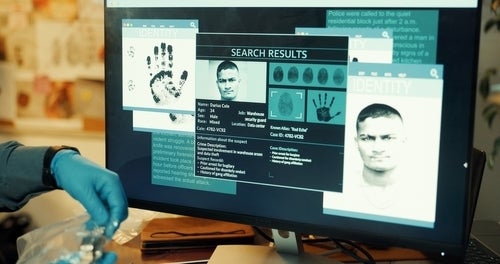
California Penal Code Section 14250 creates the state's specialized DNA program for identifying missing persons and unidentified remains. While the statute advances vital public safety goals, it also raises significant privacy, consent, destruction, and disclosure questions. This guide explains how California Penal Code Section 14250 works, what protections and penalties it contains, and the concrete defense strategies you can use to safeguard genetic privacy when government agencies collect, store, search, or share DNA.
California Penal Code Section 14250 explained
At its core, California Penal Code Section 14250 authorizes a DNA database used to link unidentified remains and high risk missing person cases. Unlike the offender database, this system is designed for identification only and relies on non coding markers that do not reveal medical traits beyond gender determination. The statute channels two key data streams into the program: (1) coroner obtained samples from unidentified remains and (2) voluntary reference samples from biological relatives of high risk missing persons.
Because the database interfaces with national systems for comparative searches, careful guardrails limit how samples are collected, who can access profiles, when samples must be destroyed, and how results may be disclosed. Defense advocacy lives in these guardrails: if agencies cut corners on consent, retention, or confidentiality, you can compel destruction, exclude tainted evidence, and pursue civil remedies.
Who is “high risk,” and what triggers collection?
Family reference sample requests typically arise when a case involves stranger abduction, suspicious or unknown circumstances, or indications of danger or death. California Penal Code Section 14250 contemplates early family notifications and standardized forms that describe the program's limited purpose and destruction rights. When the 30 day notification and disclosure requirements are missed or garbled, consent may be invalid and later retention vulnerable to challenge.
- Coroner pathway: Coronial authorities collect DNA from unidentified remains and submit profiles for comparison.
- Family pathway: Relatives may voluntarily provide swabs to generate reference profiles for missing persons comparisons only.
Voluntary consent, removal rights, and destruction duties
California Penal Code Section 14250 is explicit that family participation is voluntary, that consent must be informed, and that a living person who provided a sample may demand removal. These provisions provide robust leverage for defense counsel:
- Informed consent. No coercion, inducements, or vague explanations. Consent forms must clearly state the identification-only purpose and removal rights.
- Destruction on request. A living donor can require destruction of the reference sample and associated profile at any time, subject to narrow law enforcement holds in active criminal death investigations.
- Verification safeguards. Agencies must confirm missing person status before submitting family profiles; if the person is found, reference samples should not be retained.
Confidentiality and disclosure limits under California Penal Code Section 14250
Access to the database is restricted to specifically authorized personnel for identification and qualifying legal purposes. Unapproved sharing or secondary use is prohibited. Limited public disclosures may occur after reasonable efforts to notify the family, for example when announcing an identification; otherwise, profiles and software infrastructure remain confidential. When a death is tied to suspected criminal activity, retention may extend for evidence preservation, but destruction obligations revive once that justification ends.
Criminal penalties and civil remedies for violations
California Penal Code Section 14250 backs its privacy rules with teeth. Knowingly disclosing DNA or using it for unauthorized purposes may be charged as a misdemeanor. On the civil side, statutory damages and fee shifting can apply when agencies fail to destroy samples as required or disclose protected information unlawfully. Department-level liability ensures that institutional practices—not just individual employees—are accountable.
Defense strategies: stopping improper collection and retention
When clients face pressure to provide DNA or discover improper retention, move quickly. The statute's timelines and consent rules are fertile ground for relief:
- Consent challenges. Attack coercive tactics, misleading explanations, or missing disclosures. Faulty consent can require immediate destruction and purge of any derivative profiles.
- Notification violations. If agencies missed the statute's notice windows or used noncompliant forms, argue invalid collection and seek statutory remedies.
- Unauthorized retention. Demand documentary proof of any criminal-investigation hold. If none exists—or the basis has lapsed—seek mandamus compelling destruction.
- Scope creep and data sharing. Probe whether the profile was queried or shared beyond identification purposes. Knowing misuse supports suppression, sanctions, and civil damages.
Constitutional overlays: privacy, search, and due process
Statutory protections sit atop constitutional safeguards. Fourth Amendment principles govern DNA collection from living people; consent must be genuine and not the product of intimidation or misinformation. Due process requires clear notice of rights and meaningful opportunities to be heard before retention expands or disclosure occurs. California's state constitutional privacy right can provide even stronger protection than federal law, particularly against secondary uses untethered to identification needs.
Litigation pathways and remedies
When agencies do not self-correct, litigation can secure rapid and durable relief:
- Mandamus. Compel destruction, enforce notice and consent statutes, and obtain compliance orders for ongoing violations.
- Civil actions. Pursue statutory damages, injunctions, and attorney fees for unlawful disclosure or retention. Consider class treatment for systemic practices.
- Criminal defense motions. Move to suppress DNA evidence derived from statutory or constitutional violations and exclude tainted comparisons from the case.
Investigations, discovery, and evidentiary discipline
In parallel criminal matters, insist on a clean paper trail. Request collection forms, consent scripts, chain-of-custody logs, database audit trails, match reports, and correspondence with external laboratories. Where the government's story leans too heavily on lab conclusions, press the limits of forensic evidence to expose error rates, contamination risks, and interpretive leaps. If the state relies on derivative documents or presumptions, be prepared to contrast them with conclusive evidence rules in undertaking actions to show the difference between genuine legal finality and ordinary proof.
Practical guidance for families and counsel
- Ask for everything in writing. Before consenting, demand the form, read the destruction clause, and confirm the identification-only limitation.
- Preserve a copy of the swab kit label and chain-of-custody receipt. These details matter when auditing retention or requesting destruction later.
- Calendar follow-ups. If your relative is located or the case status changes, promptly request removal and written confirmation.
- Coordinate with parallel records. If agencies are also running checks through broader databases, review your criminal background check rights under Penal Code 11105 to ensure privacy baselines are respected.
Where DNA evidence intersects with suppression and related crimes
If an investigation strays beyond the statute's limits or officers mishandle genetic material, challenge admissibility under the exclusionary rule in California courts. At the same time, advise clients against any conduct that could be construed as spoliation; California evidence-tampering laws make it a crime to destroy or conceal physical evidence, and a defense win should come from legal process, not risky behavior. When prosecutors overstate what lab findings can prove, focus the court on the limits of forensic evidence and insist that conclusions remain within scientifically validated bounds.
Frequently asked questions about California Penal Code Section 14250
- Can my family's reference sample be used to investigate unrelated crimes? No. The statute authorizes identification of missing persons and remains. Secondary use is prohibited and subject to sanctions.
- Can I change my mind after consenting? Yes. A living donor may request destruction of their sample and profile. Agencies must honor valid requests unless a narrow, documented criminal-investigation hold applies.
- What happens after an identification match? Agencies should attempt reasonable family notification before public disclosure. If criminal activity is suspected in the death, retention may continue as case evidence.
- Do I need a lawyer to request destruction? Not legally required, but counsel helps frame the request, document agency responses, and escalate to court if needed.
Process timeline: from collection to removal
- Initial outreach. Law enforcement explains the program, provides compliant forms, and requests a voluntary family swab.
- Consent and submission. The family member signs the standardized release. The sample is logged and profiled for identification-only comparison.
- Database comparison. Profiles are searched against unidentified remains and, where appropriate, compatible systems for identification matches.
- Status change or resolution. If the missing person is found or circumstances change, counsel submits a written destruction request with proof of identity.
- Agency response. The Department confirms destruction in writing and provides the date and batch documentation. If the agency refuses, file for mandamus and seek fees.
California Penal Code Section 14250 lawyers in California
If your family is being asked to provide DNA or you believe a reference sample has been retained or shared improperly, Bulldog Law can help. We enforce California Penal Code Section 14250's consent, destruction, and confidentiality requirements, pursue civil remedies for unauthorized disclosures, and move to suppress improperly obtained genetic evidence. Our team coordinates with forensic experts, challenges overbroad searches, and protects your right to control deeply personal genetic information.