
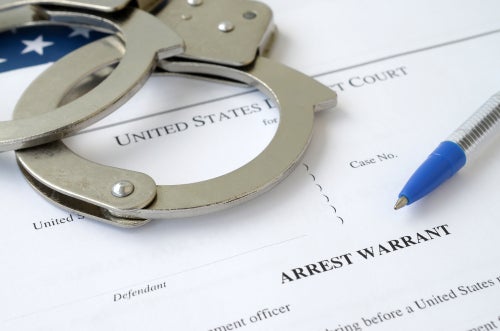
California Penal Code Section 170 targets the malicious procurement of search warrants or arrest warrants without probable cause. The statute is designed to protect the warrant process, deter false warrant applications, and preserve public trust in judicial oversight. For anyone accused of abusing the warrant system, understanding how California Penal Code Section 170 works, what the prosecution must prove, and which defenses are effective is essential.
What California Penal Code Section 170 Covers
The statute criminalizes efforts to manipulate the warrant process through false or malicious conduct. It recognizes that warrants are a cornerstone of constitutional protections and that attempts to game this system can lead to unlawful searches or arrests. Courts consider the policy goals behind the statute when evaluating charges and defenses, including deterring false accusations, protecting individual rights, and conserving judicial resources.
In practice, the law is implicated when someone allegedly submits or causes the submission of a warrant application that omits key facts, misstates evidence, or otherwise attempts to secure judicial authorization without a legitimate factual foundation. While the statute focuses on procurement, related liability theories may arise when a person knowingly causes or participates in the use of an improperly obtained warrant.
Elements of California Penal Code Section 170
To obtain a conviction, the state must prove elements that create multiple opportunities for defense challenges:
- Malicious intent. The prosecution must show more than a mistake or negligence. Malice typically involves an intent to injure, or knowledge that the conduct is wrongful. This is a subjective mental state that must be proven with evidence.
- Lack of probable cause. The application must have been pursued without facts sufficient to support a reasonable belief that evidence of a crime would be found or that a suspect committed an offense.
- Procurement or causation. The defendant must have procured, or caused the procurement of, the warrant through the malicious conduct.
Because malice is central to the charge, discussions of mens rea and criminal intent often dominate litigation and can be decisive at trial.
Probable Cause and the Warrant Standard
Probable cause is a practical, common-sense standard that asks whether the known facts would lead a reasonable person to believe that evidence will be found or that the person to be arrested committed a crime. Not every imperfect or ultimately unsuccessful affidavit is malicious. Disagreements about how to interpret ambiguous facts, or good faith omissions that do not change the probable cause analysis, generally do not establish criminal liability.
Defense teams should analyze the full information available at the time of the application, not simply the four corners of the affidavit after the fact. Where the record shows a reasonable factual basis existed, the core premise of a Section 170 charge is undermined.
Penalties and Collateral Consequences Under California Penal Code Section 170
Penalties can include fines, a potential custodial term, probation, restitution, and court-ordered counseling or training. The collateral fallout may be more severe:
- Law enforcement careers. Findings of malicious warrant procurement can trigger termination, decertification, and disqualification from future peace officer employment.
- Lawyers and legal staff. Attorneys and court personnel may face State Bar discipline or administrative sanctions that affect licensure and future practice.
- Civil exposure. Parallel civil claims, internal affairs reviews, and public records requests can follow, creating reputational and financial risk.
Because sentencing exposure and professional consequences depend on the facts, jurisdiction, and history, careful case-specific advice is crucial.
Defense Strategies That Work
Section 170 cases are won or lost on the paper trail and the intent evidence. Common strategies include:
- Attack malice. Show good faith investigative steps, supervisor reviews, and training compliance that indicate a legitimate purpose rather than a desire to harm.
- Establish probable cause. Demonstrate that, at the time of the application, the total information supported a reasonable belief even if the affidavit had technical defects.
- Good faith reliance on counsel. Documented legal advice and pre-approval procedures can negate the specific intent required for conviction.
- Impeach the affidavit challenge. Highlight context, corroboration, and contemporaneous notes that explain omissions or clarify ambiguous statements.
How These Cases Unfold: From Investigation to Trial
Investigations often begin with an internal complaint, a motion to suppress in a related criminal case, or a civil claim that exposes affidavit issues. The sequence typically includes document preservation, interviews of affiants and supervisors, and retrieval of electronic warrant system logs. Early motions seek to limit charged theories and exclude prejudicial evidence. If the case proceeds, expect discovery battles over draft affidavits, messaging, and review checklists.
Related warrant procedures can also surface. For example, pre-complaint arrest warrants may become relevant to timing and probable cause decisions. Useful background on these issues appears in Ramey warrant procedures, which explains judge-issued arrest warrants obtained before the district attorney files a case.
Case Law Snapshots and Practical Takeaways
Published decisions discussing malicious procurement emphasize three themes. First, courts distinguish between criminalized deceit and noncriminal good faith errors. Second, jury instructions on this charge are appropriate only when the pleadings and proof specifically allege malicious procurement, not when the dispute is about general police conduct. Third, evidence of coordinated schemes or conspiracies can expand liability to participants who knowingly further the malicious effort.
For the defense, these cases reinforce the value of contemporaneous documentation, supervisor sign-offs, and clear explanations for investigative judgments that later appear disputed.
Constitutional Considerations: Fourth Amendment, Due Process, and Selective Prosecution
Fourth Amendment. Because the core of the offense is the probable cause requirement, constitutional warrant principles are central. The state should not criminalize reasonable differences in judgment about sufficiency. Where an application met constitutional minimums, criminal liability is difficult to justify.
Due process. Vague applications of the statute risk chilling legitimate law enforcement. Defendants are entitled to fair notice of what crosses the line from error to crime.
Selective prosecution. If enforcement appears uneven, a record of similarly situated cases, internal policy guidance, and charging memos can support a motion challenging discriminatory application.
Modern Technology and Interagency Practices
Electronic warrant systems preserve submission timestamps, edits, and judicial notes that can help reconstruct what the affiant knew and when. Digital evidence sources such as device extractions, cloud returns, and license plate data also complicate probable cause analysis by increasing volume and speed.
Interagency work adds another layer. Coordination under mutual aid agreements can create complex chains of communication and approval. Where multiple agencies contribute to an affidavit, understanding roles, handoffs, and supervision is critical. Background on this topic is available in mutual aid enforcement in California, which discusses how agencies collaborate and share enforcement responsibilities.
Prosecutorial Discretion and Alternative Paths
Prosecutors look at the severity of alleged misconduct, harm to those searched or arrested, and the impact on public confidence. Early dialogue should emphasize remedial measures, the absence of actual harm, and evidence of training and compliance. In some cases, administrative remedies, policy revisions, or targeted discipline may address the concern without a criminal conviction.
Programs that prioritize repeat or aggravated conduct can influence charging choices. For context on how policy priorities shape filing decisions, see career criminal prosecution strategies, which explores how targeted initiatives affect prosecution discretion.
Documentation, Training, and Prevention
Robust training on warrant law, affidavit drafting, and disclosure duties reduces risk and provides a strong defense if allegations arise. Agencies should implement checklists for materiality, corroboration, and informant reliability, along with supervisor and legal reviews before submission. Maintaining a clean record of edits, supporting exhibits, and counsel input is often the difference between a misunderstanding and a charge.
Practical Next Steps If You Are Accused
- Retain defense counsel immediately and preserve all notes, drafts, emails, and messages related to the warrant application.
- Collect training records, policy manuals, and proof of prior legal or supervisory reviews.
- Prepare a timeline that aligns investigative steps with what was known at each stage.
- Avoid contact with potential witnesses without counsel present, and route inquiries through your attorney.
- Anticipate parallel civil, administrative, or licensing proceedings and coordinate a unified strategy.
California Penal Code Section 170 Attorneys in California
If you are facing allegations tied to California Penal Code Section 170, you need a defense team that understands warrant law, constitutional litigation, and professional licensing risk. Bulldog Law evaluates the affidavit, reconstructs the knowledge timeline, and confronts the intent theory with documented good faith. We move quickly to protect your record and position you for the best possible outcome. Contact us to discuss your options and next steps today.