
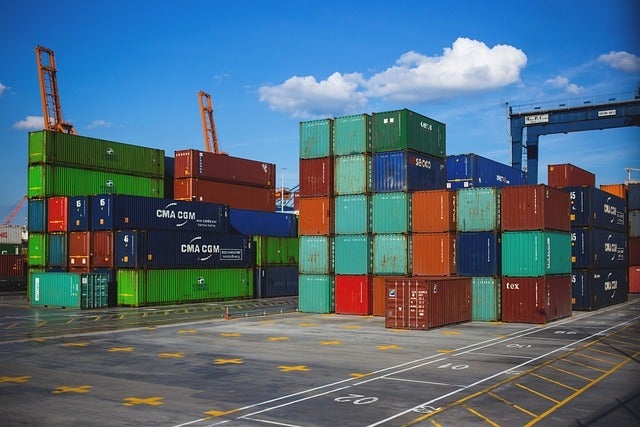
California Penal Code Section 458 provides a precise legal definition of "cargo container" that applies throughout the state's arson statutes. While this technical provision might seem insignificant compared to other aspects of fire related charges, understanding what legally qualifies as a cargo container can mean the difference between facing enhanced penalties and securing charge reductions. California arson defense lawyers know that analyzing this definition closely can be decisive in cargo container arson cases. Defense attorneys must carefully analyze whether burned property actually meets this statutory definition, as prosecutors sometimes overreach by applying cargo container provisions to structures that do not qualify.
Why Cargo Container Definitions Matter in Criminal Defense
California law treats arson involving cargo containers differently than fires affecting other types of property or structures. Enhanced penalties, specific charging provisions, and distinct legal elements apply when cargo containers are involved. Prosecutors seeking maximum sentences may characterize various burned receptacles as cargo containers even when they fail to meet all statutory requirements.
From a defense perspective, challenging whether property actually constitutes a cargo container under Section 458 can result in charge dismissals, reductions to lesser offenses, or significantly reduced sentencing exposure. These technical arguments often succeed because prosecutors and investigating officers may not carefully analyze whether all definitional elements are satisfied before filing charges.
Related context on recent fire-crime policy changes: see California's fire-related retail theft update (Senate Bill 1242).
The Five Required Characteristics
Section 458 establishes that cargo containers must possess five distinct characteristics. All five elements must be present for a receptacle to legally qualify as a cargo container under California arson law. Missing even one element means the property does not meet the statutory definition, regardless of what prosecutors claim or how container like it appears.
Permanent Character and Strength for Repeated Use
The first requirement mandates that cargo containers possess permanent character and sufficient strength for repeated use. This element distinguishes true cargo containers from temporary shipping materials, disposable packaging, or structures designed for single use applications.
Defense attorneys examining burned receptacles should investigate their construction materials, design specifications, and intended lifespan. Containers made from lightweight materials, showing signs of deterioration, or designed for limited use cycles may not satisfy this permanence requirement even if they superficially resemble standard cargo containers.
Documentation proving containers were approaching end of service life, had been damaged and repaired multiple times, or were constructed from materials unsuitable for extended use can demonstrate they lacked the permanent character Section 458 requires. Manufacturers' specifications, industry standards, and expert testimony about container construction all provide evidence relevant to this element.
Design for Multi Modal Transport Including Vessels
The second characteristic requires special design facilitating goods transport by multiple modes with vessel transport being mandatory. This element specifically targets intermodal shipping containers designed to move seamlessly between ships, trains, and trucks without reloading cargo.
Many storage containers, portable buildings, and large receptacles serve transportation functions but were never designed for vessel transport. Storage containers permanently positioned at construction sites, portable offices moved occasionally by truck, or receptacles designed exclusively for land based transport do not meet this requirement.
Defense counsel should obtain evidence about how the burned container was actually used and whether its design specifications included vessel transport capability. Containers lacking standardized dimensions matching shipping industry requirements, missing reinforcement necessary for stacking aboard vessels, or never intended for maritime use fail this critical element.
The statute's plain language requires that vessel transport must be one of the intended transportation modes, not merely a theoretical possibility. Prosecutors cannot satisfy this element by arguing a container could have been loaded onto a ship if its design and intended use never contemplated maritime transport.
Handling Devices for Transport Transfer
The third requirement mandates fitting with devices permitting ready handling and transfer between transportation modes. Standard cargo containers feature corner castings, forklift pockets, and standardized connection points enabling crane lifting, truck mounting, and rail car securing.
Receptacles lacking these specialized handling features do not qualify as cargo containers regardless of their size or construction. Simple storage boxes, even very large ones, typically lack the corner castings and standardized lifting points that characterize true cargo containers.
Defense attorneys should photograph or document the absence of proper handling devices on burned containers. Expert testimony from logistics professionals or transportation engineers can explain why containers missing these features could not function in intermodal shipping systems, demonstrating they fall outside Section 458's definition.
Easy Fill and Empty Design
The fourth characteristic requires design facilitating easy filling and emptying. Standard cargo containers feature large door openings, often spanning entire end walls, allowing efficient loading and unloading of varied cargo types.
Some large receptacles, while substantial in size, feature small access points, fixed internal configurations, or designs hindering efficient cargo handling. Tanks designed for specific liquid or gas storage, specialized equipment housings, or containers with limited access openings may not satisfy the easy fill and empty requirement.
This element reflects cargo containers' fundamental purpose: efficiently moving goods through supply chains. Receptacles designed for permanent installation, specialized storage, or applications prioritizing security over accessibility often fail this test despite appearing container like.
The Critical Size Requirement
The fifth and final element establishes a minimum size threshold of 1,000 cubic feet. This substantial volume requirement immediately excludes smaller containers, portable storage units, and many receptacles that might otherwise seem similar to cargo containers.
Calculating Cubic Displacement
Cubic displacement means the total interior volume measured in cubic feet. For rectangular containers, this calculation involves multiplying length, width, and height dimensions. Standard 20 foot shipping containers typically measure approximately 1,165 cubic feet internally, exceeding the statutory threshold. However, smaller units, modified containers, or damaged containers with reduced interior space may fall below 1,000 cubic feet.
Defense attorneys should obtain precise measurements of burned containers rather than accepting prosecution estimates. Physical measurements, manufacturer specifications, or expert calculations can prove containers fell short of the 1,000 cubic foot minimum.
Even containers originally meeting the size requirement may no longer qualify if modifications reduced interior volume. Internal walls, permanent fixtures, or structural changes diminishing total cubic displacement can bring containers below the statutory threshold.
Size Requirement as a Bright Line Defense
The 1,000 cubic foot requirement provides a clear, objective standard that eliminates subjective interpretation. When measurements definitively prove containers measured less than 1,000 cubic feet, prosecutors cannot argue the definition is satisfied. This bright line test makes size challenges particularly powerful defense tools.
Common Misapplications of the Cargo Container Definition
Prosecutors and law enforcement officers sometimes incorrectly apply cargo container provisions to property that does not meet Section 458's requirements. Recognizing these common errors helps defense attorneys identify viable challenges.
Portable Storage Units
Portable storage units frequently used at construction sites or for residential moves often get mislabeled as cargo containers. While these units may be large, durable, and designed for transport by truck, most were never designed for vessel transport or intermodal shipping. They typically lack proper corner castings, do not meet shipping industry dimensional standards, and were never intended for maritime use.
Modified Shipping Containers
Some legitimate cargo containers get extensively modified for non shipping purposes, potentially removing them from Section 458's definition. Containers converted into offices, shops, or living spaces may no longer possess characteristics facilitating multi modal transport or easy filling and emptying.
Storage Tanks and Specialized Equipment
Large industrial storage tanks, equipment housings, and specialized containers sometimes get confused with cargo containers due to their substantial size. However, these receptacles typically serve entirely different purposes and lack the defining characteristics Section 458 requires.
Deep-dive on the core arson statute: Penal Code § 451 (Arson) overview (read more).
Need a broader strategy beyond the statute? Explore our Criminal Defense practice page.
Building Effective Defense Arguments
When criminal defense attorneys identify that burned property may not meet Section 458's cargo container definition, several strategic approaches can challenge incorrect charging decisions.
Demanding Proof of All Elements
Prosecutors bear the burden of proving every element of charged offenses beyond reasonable doubt. Defense counsel should demand specific evidence establishing that alleged cargo containers satisfied all five statutory requirements.
Presenting Affirmative Evidence
Defense teams can present evidence affirmatively demonstrating containers did not meet statutory requirements. Manufacturer specifications, expert testimony, industry standards, and physical measurements all provide powerful evidence that receptacles fall outside the cargo container definition. Arson attorneys in California often lean on logistics experts here.
Seeking Charge Amendments or Dismissals
When evidence clearly establishes that burned property was not a cargo container, defense attorneys file motions to dismiss cargo container related charges or amend them to reflect appropriate property classifications.
The Intersection With Other Arson Provisions
Understanding cargo container definitions becomes particularly important because California's arson statutes include specific provisions addressing fires involving these containers, often with enhanced penalties or distinct elements compared to general arson charges.
Enhanced Penalties
Some arson provisions impose greater sentences when cargo containers are involved, reflecting concerns about international commerce, port security, and economic impacts. When containers do not actually meet Section 458's definition, these enhanced penalties cannot apply.
Distinct Charging Provisions
Certain arson statutes specifically address cargo containers as distinct from other property categories. Careful analysis of which specific Penal Code sections prosecutors invoke and whether those sections logically apply can reveal charging errors requiring correction or dismissal.
Practical Steps for Defense Teams
Initial Investigation
Early case investigation should include photographing the burned container from multiple angles, measuring dimensions precisely, and researching the container's manufacturer, model, and intended purpose.
Expert Consultation
Consult experts in shipping containers, logistics, or transportation engineering early in case development.
Discovery Requests
Defense counsel should serve targeted discovery requests demanding all evidence supporting prosecutors' characterization of property as cargo containers. Manufacturer specifications, purchase records, maintenance histories, and documented uses often reveal containers do not meet definitional requirements.
Facing charges near California's major ports? Our San Francisco Criminal Law Office handles complex arson matters tied to maritime and intermodal issues.
Why Technical Defenses Matter
Some might dismiss cargo container definition challenges as mere technicalities, but these precise statutory requirements exist for important reasons. When prosecutors charge defendants under provisions requiring cargo container involvement without proving all definitional elements, they violate statutory requirements and defendants' due process rights.
Moreover, these technical defenses often succeed precisely because prosecutors overlook them, assuming large metal containers automatically qualify without careful analysis. Defense attorneys who identify these issues provide tremendous value to clients by securing charge reductions, dismissals, or sentencing relief through careful attention to statutory details.
Protecting Your Rights in Arson Cases
If you face charges involving allegations about cargo containers, understanding Section 458's precise definition becomes crucial to mounting an effective defense. Working with experienced California arson defense lawyers who carefully analyze whether burned property actually meets all statutory requirements can make the difference between facing enhanced penalties and securing favorable case resolutions.
Technical statutory provisions matter in criminal defense because they protect defendants against prosecutorial overreach and ensure charges accurately reflect what actually occurred. Never assume prosecutors correctly applied cargo container provisions without demanding proof that all five definitional elements are satisfied.
Ready to discuss a defense plan? Contact Bulldog Law (get in touch).