
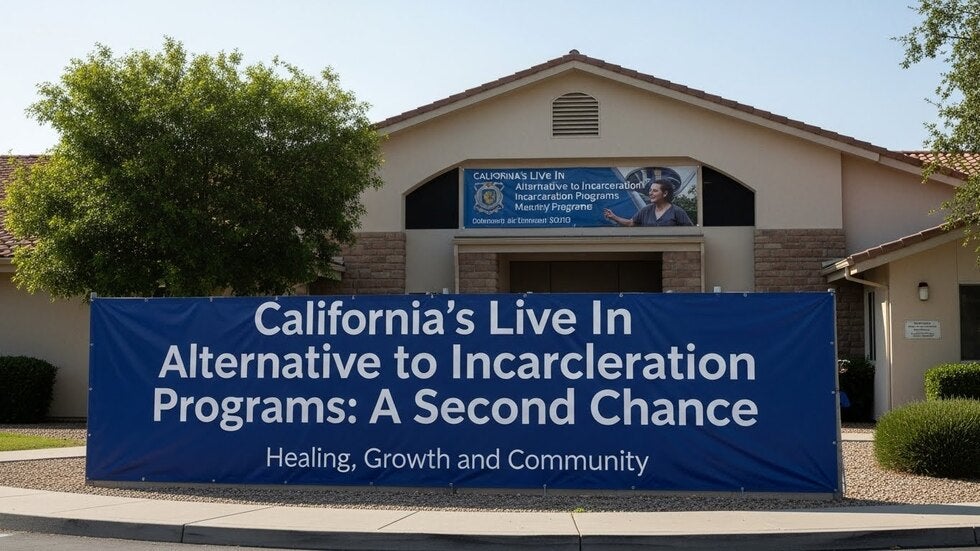
California lawmakers recognized decades ago that not every person convicted of a crime belongs behind bars. Section 8000 of the California Welfare and Institutions Code establishes the legislative foundation for live in alternative to incarceration rehabilitation programs, acknowledging that structured residential treatment offers better outcomes than prison for many individuals struggling with substance abuse issues. These programs represent a critical pathway for people whose drug or alcohol impairments have led to criminal justice involvement and who face significant barriers to employment and conventional rehabilitation.
At Bulldog Law, we help clients explore every available option to avoid incarceration and access treatment programs that address the root causes of criminal behavior. Understanding how alternative sentencing works and which programs qualify under California law can mean the difference between years in prison and a genuine opportunity for rehabilitation and reintegration into society.
The Legislative Intent Behind Alternative Rehabilitation Programs
The California Legislature made specific findings when establishing the framework for live in alternative programs. Lawmakers determined that residential rehabilitation programs focusing on substance abusers provide meaningful alternatives to traditional incarceration. More importantly, these programs promote the resumption of useful lives for people whose impairments from drug or alcohol abuse have created barriers to employment and conventional paths forward.
This legislative recognition reflects a fundamental shift in how California approaches criminal justice. Rather than viewing incarceration as the only response to drug related offenses, the law acknowledges that some individuals require intensive treatment and support services that residential programs can provide. For people with criminal records who face discrimination in the competitive labor market, these alternative programs offer structured environments where they can develop skills, address addiction, and prepare for successful reentry.
The statute specifically contemplates individuals who, because of substance abuse impairments, cannot be absorbed into competitive employment or who otherwise have minimal chances of rehabilitation through conventional means. This language creates legal pathways for defense attorneys to argue that their clients belong in treatment rather than custody, particularly when substance abuse drives criminal conduct.
Who Qualifies for Live In Alternative Programs
California courts consider multiple factors when determining eligibility for residential treatment alternatives to incarceration. The nature of the criminal charges matters significantly. Nonviolent offenses related to drug possession, theft to support addiction, and other crimes driven by substance abuse typically present the strongest cases for alternative sentencing. Violent crimes, sex offenses, and serious felonies often disqualify defendants from these programs, although exceptions exist depending on individual circumstances.
The defendant's criminal history plays a crucial role in judicial decision making. First time offenders and individuals with limited prior records generally have better prospects for approval than those with extensive criminal backgrounds. However, even defendants with multiple convictions may qualify if they can demonstrate that substance abuse underlies their pattern of criminal behavior and that previous interventions failed to provide adequate treatment.
Assessment of substance abuse severity and treatment needs forms another essential component of eligibility determinations. Courts typically require comprehensive evaluations by qualified professionals who can document the extent of addiction, the relationship between substance abuse and criminal conduct, and the level of care necessary for effective intervention. Defendants must often show that outpatient treatment or less intensive interventions would prove insufficient given the severity of their addiction.
Motivation and willingness to participate actively in rehabilitation significantly influence judicial decisions. Judges want to see genuine commitment to recovery rather than merely an attempt to avoid prison. Defense counsel can strengthen applications by presenting evidence of prior treatment attempts, support from family members, stable housing arrangements, and concrete plans for addressing underlying issues.
Types of Residential Treatment Programs Under California Law
California offers several categories of residential treatment programs that may qualify as alternatives to incarceration under the statutory framework. Licensed residential treatment facilities provide structured environments where participants receive intensive therapy, medical care, and support services while living on site. These programs typically last from several months to over a year depending on individual needs and court orders.
Sober living environments offer transitional housing for people in recovery who need supportive living situations but do not require the intensive medical supervision of formal treatment facilities. While less structured than licensed treatment centers, these programs provide accountability through regular drug testing, mandatory meeting attendance, and house rules designed to support sobriety.
Faith based rehabilitation programs operated by religious organizations serve individuals seeking treatment grounded in spiritual principles. California courts have approved these programs as incarceration alternatives when they meet minimum standards for supervision, structure, and treatment services, even though their approaches differ from medical model programs.
Therapeutic communities represent long term residential programs where participants live together while working through structured phases of treatment and personal development. These programs emphasize peer support, behavioral modification, and gradual assumption of responsibility as residents progress through different stages.
The Legal Process for Securing Alternative Sentencing
Obtaining approval for residential treatment as an alternative to incarceration requires strategic legal advocacy beginning well before sentencing. At Bulldog Law, we start by conducting thorough assessments of our clients' situations to determine whether alternative programs represent viable options given the charges, criminal history, and individual circumstances.
We arrange comprehensive substance abuse evaluations by qualified professionals who can provide detailed reports documenting addiction severity, treatment needs, and prognosis for recovery. These evaluations form the foundation of applications to the court and help judges understand why residential treatment offers better prospects than incarceration for particular defendants.
Identifying appropriate programs that meet statutory requirements and court expectations represents another crucial step. Not every residential facility qualifies as an acceptable alternative under California law. Programs must provide adequate supervision, structure, treatment services, and reporting to the court. We research available options, verify licensing and accreditation, and ensure that proposed placements align with judicial standards in the relevant jurisdiction.
Preparing persuasive sentencing memoranda that present compelling arguments for alternative placement requires deep familiarity with applicable statutes, case law, and local court practices. We craft written submissions that explain how residential treatment serves the interests of justice better than incarceration by addressing root causes of criminal behavior, reducing recidivism, and promoting successful reintegration into society.
Presenting evidence at sentencing hearings through witness testimony, documentary evidence, and oral argument allows us to make the strongest possible case for alternative sentencing. We may call family members, employers, treatment professionals, and others who can speak to our clients' commitment to recovery and potential for rehabilitation.
Benefits of Residential Treatment Over Incarceration
Residential rehabilitation programs offer numerous advantages compared to traditional incarceration for substance abuse offenders. Treatment addresses underlying addiction rather than simply punishing criminal behavior, breaking cycles that lead to repeated arrests and convictions. Studies consistently show that individuals who receive appropriate treatment have significantly lower recidivism rates than those who serve prison time without addressing substance abuse issues.
Maintaining family connections and community ties becomes far easier in residential treatment settings than in prison. Many programs allow regular family visits, phone contact, and gradual reintegration into community life as participants progress through treatment phases. These ongoing relationships provide essential support networks that help individuals maintain sobriety and avoid returning to criminal activity after program completion.
Developing employment skills and work history presents major challenges for people with criminal records. Residential programs often incorporate vocational training, job placement services, and opportunities to gain work experience in supportive environments. Participants can build resumes and develop references that help overcome barriers created by criminal convictions when seeking competitive employment.
Avoiding the collateral consequences of incarceration provides substantial benefits beyond treatment itself. Prison time disrupts employment, education, housing, and family relationships in ways that make successful reentry extraordinarily difficult. Residential treatment allows individuals to address addiction while minimizing these disruptions and maintaining continuity in important areas of life.
Challenges and Compliance Requirements
Participating in residential treatment as an alternative to incarceration comes with significant obligations and potential consequences for noncompliance. Courts impose strict conditions including remaining at approved facilities, submitting to regular drug testing, attending all required treatment sessions, and complying with program rules. Violations can result in immediate termination from the program and imposition of the original prison sentence.
The length of residential treatment programs often exceeds what defendants initially anticipate. While the prospect of avoiding prison makes long term residential placement attractive, participants must commit to completing programs that may last six months, one year, or longer. Premature departure or lack of engagement leads to program failure and return to custody.
Financial costs associated with residential treatment can create substantial burdens for defendants and their families. Although some programs accept insurance or offer sliding scale fees, many require significant out of pocket payments. Courts consider ability to pay when approving placements but may deny alternatives if defendants cannot demonstrate means to cover program costs.
Limited availability of qualified programs in some geographic areas restricts access to residential treatment alternatives. Rural counties may lack facilities that meet court requirements, forcing defendants to relocate far from family and support networks to participate in approved programs.
Working With Experienced Defense Counsel
Successfully navigating the process of securing residential treatment as an alternative to incarceration requires skilled legal representation from attorneys familiar with substance abuse programs and alternative sentencing options. At Bulldog Law, we have extensive experience helping clients access treatment rather than face prison time for drug related offenses.
Our approach begins with honest assessment of whether residential treatment represents a realistic option given the specific charges and circumstances. We explain eligibility requirements, likelihood of judicial approval, and what participation entails so clients can make informed decisions about pursuing alternatives to incarceration.
We coordinate with treatment professionals, program administrators, and other stakeholders to develop comprehensive placement plans that satisfy court requirements while meeting our clients' individual needs. This collaborative process ensures that proposed programs can provide appropriate levels of care and supervision.
Throughout the legal proceedings, we advocate persistently for our clients' access to treatment opportunities. We prepare detailed applications, present compelling evidence, and make persuasive arguments that highlight how residential rehabilitation serves the interests of justice better than incarceration.
If you or a loved one faces criminal charges related to substance abuse and want to explore residential treatment alternatives to incarceration, contact Bulldog Law to discuss your options. Our team provides the strategic defense representation necessary to secure alternative sentencing and access programs that offer genuine opportunities for recovery and rehabilitation rather than simply warehousing people in prison without addressing the underlying issues that lead to criminal behavior.