
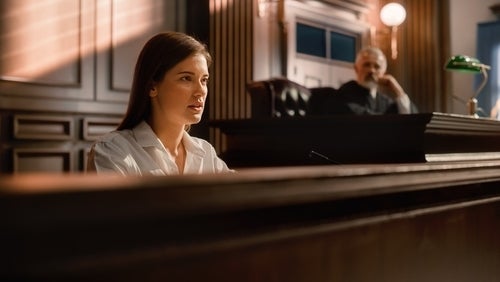
California's witness protection framework represents one of the most complex areas of criminal law, where legitimate concerns for victim and witness safety intersect with constitutional rights to effective defense representation. While these protections serve important purposes, they can also create significant barriers to mounting an effective defense, particularly in cases involving sexual assault allegations or juvenile proceedings where witness protection measures are most restrictive.
Understanding how to navigate these laws is critical. Prosecutors may sometimes use protection statutes to shield weak cases from scrutiny. An experienced defense attorney must balance respect for legitimate safety concerns with aggressive protection of a defendant's constitutional rights.
California Penal Code Section 1112: Psychiatric Examination Prohibition
One of the most restrictive measures in this area is California Penal Code Section 1112, which prohibits trial courts from ordering psychiatric or psychological examinations of witnesses in sexual assault prosecutions for the purpose of assessing credibility.
The Scope of Section 1112 Protection
Section 1112 provides broad protection to:
- Primary victims of alleged sexual assault
- Witnesses who observed the alleged conduct
- Individuals who report sexual assault allegations
- Secondary victims who testify about related events
Because direct psychological evaluations are prohibited, defense teams must find alternative ways to address credibility issues.
Constitutional Tensions for the Defense
While these protections are intended to prevent trauma and harassment, they can create significant challenges under:
- The Confrontation Clause: The Sixth Amendment guarantees the right to challenge witnesses through cross-examination.
- Due Process: The Fourteenth Amendment ensures fairness in criminal trials, which may be compromised by restricted access to credibility-related evidence.
- Effective Assistance of Counsel: Defense attorneys must have the tools necessary to uncover exculpatory information.
Defense Strategies Within Section 1112 Limits
Experienced attorneys employ strategies such as:
- Obtaining existing medical or school records through lawful discovery channels
- Using expert witnesses to explain how mental health conditions might affect memory or perception without conducting direct evaluations
- Relying on targeted cross-examination to raise credibility questions indirectly
Local Court Rules That Affect Witness Information
Contra Costa County Superior Court Rule 5.65
This rule governs victim and witness contact information in juvenile cases. Disclosure often requires court approval after a hearing and a showing of “good cause,” ensuring protection while allowing necessary defense access in certain circumstances.
San Mateo County Superior Court Rule 9.8
Law enforcement reports containing personal witness information are automatically sealed. Defense counsel must file an ex parte application showing necessity before gaining access to unredacted reports.
In addition, certain vulnerable witnesses, such as immigrants who have suffered substantial harm due to crimes, may qualify for U visa protections for victims of crime in California. These protections encourage participation in criminal proceedings without fear of immigration consequences, further limiting direct access for defense teams in some cases.
Balancing Safety with Constitutional Rights
Witness protection measures are grounded in real safety concerns, including threats, intimidation, and privacy invasion. California witness laws under Penal Code Sections 2624 and 841.5 specifically prohibit harassment or intimidation of witnesses, creating an added layer of protection in cases involving vulnerable individuals.
However, these protections must be balanced against constitutional rights such as the presumption of innocence, the right to present a complete defense, and the prosecution's burden of proof.
Use of Expert Witnesses and Investigators
Even when direct witness contact is restricted, experts can review available records and testify about conditions that affect credibility. Investigators may gather information from public records or other legitimate sources without violating protection orders.
Juvenile Court Considerations
Juvenile proceedings often include special protections for young witnesses and defendants. California Penal Code 701.5 legal protections for minor informants ensure that minors assisting in criminal investigations or prosecutions receive heightened safety measures, confidentiality protections, and limited disclosure of personal information.
Attorneys must also consider developmental factors, family impact, and rehabilitation goals when challenging protection measures in juvenile court.
Modern Technology and Witness Protection
Digital evidence, such as social media and electronic communications, may be relevant yet protected. Courts also use technology, such as video testimony, to preserve safety while maintaining the defendant's confrontation rights.
Penalties for Violating Witness Protection Orders
Violating witness protection provisions can result in serious consequences, including:
- Contempt of court charges
- Fines and possible jail time
- Revocation of bail or release conditions
- Potential obstruction of justice charges
Attorneys must strictly comply with protective orders while finding lawful avenues to obtain necessary evidence.
Witness Protection Defense Lawyers in California
Cases involving witness protection measures require attorneys with both constitutional law knowledge and strategic defense skills. At Bulldog Law, our team understands how to challenge restrictions that may unfairly limit a defendant's ability to present a full defense. We are committed to protecting your rights while respecting the safety concerns that drive California's witness protection laws. If you or a loved one is facing charges in a case involving restricted witness access, contact Bulldog Law for experienced, aggressive representation in California.