
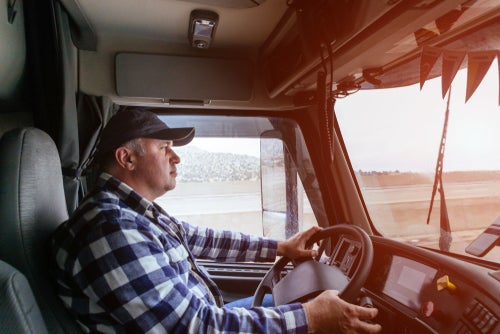
Facing DUI charges under California Vehicle Code sections 23152(d) or 23152(e) can be devastating for your career and future. These provisions specifically target commercial drivers and drug-related DUI offenses with heightened standards and stricter penalties compared to standard DUI laws. Understanding your rights and legal options is crucial when defending against these serious allegations.
California Vehicle Code 23152(d): Commercial DUI Standards
California Vehicle Code Section 23152(d) imposes a lower blood alcohol concentration (BAC) threshold of 0.04% for individuals operating commercial motor vehicles. This is significantly stricter than the 0.08% standard for non-commercial drivers and reflects the increased risk posed by large vehicles and professional driving responsibilities.
The BAC limit applies regardless of whether you are on duty, carrying cargo, or transporting passengers. Even residual alcohol from hours earlier could trigger a violation. The prosecution must also prove that you were operating a commercial motor vehicle as defined under California law, which presents an opportunity for legal challenges if the classification is unclear or unsupported.
Defending against charges under 23152(d) often involves questioning the accuracy of BAC testing, the legitimacy of the traffic stop, and the specific classification of the vehicle being operated. These technical defenses can make a significant difference in case outcomes.
California Vehicle Code 23152(e): Driving Under the Influence of Drugs
Vehicle Code Section 23152(e) makes it illegal to drive under the influence of any drug, whether legal or illegal. This includes prescription medications, over-the-counter drugs, and substances like medical marijuana. Unlike alcohol DUIs, there is no universal threshold—prosecutors must prove actual impairment.
This statute is challenging for drivers who may not realize that prescribed medications can result in DUI charges. Symptoms such as drowsiness, slowed reaction time, or confusion can all be misinterpreted as signs of drug impairment.
Defense strategies in these cases often rely on undermining the reliability of field sobriety tests, questioning the qualifications of the Drug Recognition Expert (DRE), and presenting alternative explanations for physical symptoms. These strategies align with the need to understand key amendments in California’s 2025 DUI blood test refusal laws, as chemical testing remains central to these cases.
Commercial Driver DUI Penalties and Consequences
For commercial drivers, the consequences of violating Sections 23152(d) or 23152(e) are particularly severe. A single conviction can result in immediate disqualification from holding a commercial driver's license (CDL). Under California Vehicle Code Section 15302, repeat offenses may trigger a lifetime ban from commercial driving.
These penalties affect both your CDL and your regular driver's license, creating a cascading impact on your mobility and employment. Additionally, federal regulations enforced by the Federal Motor Carrier Safety Administration (FMCSA) can lead to further sanctions, reporting obligations, and job loss—even in first-offense cases.
Ignition Interlock Device Requirements for DUI Convictions
DUI convictions under either provision typically result in mandatory ignition interlock device (IID) installation. These devices require a clean breath sample before starting your vehicle. For commercial drivers, this requirement can be practically impossible to fulfill due to employer restrictions or vehicle compatibility issues.
The duration of IID installation depends on prior offenses and the nature of the violation, often lasting for several months to years. Skilled defense attorneys may be able to negotiate shorter terms, conditional waivers, or alternative sentencing strategies. These issues are especially relevant for those fighting a DUI license suspension in California and hoping to maintain driving privileges.
Challenging Field Sobriety Tests in Drug DUI Cases
Field sobriety tests are commonly used in DUI investigations, but they are not scientifically validated for detecting drug impairment. The standard battery of tests, including the walk-and-turn, one-leg stand, and horizontal gaze nystagmus, was developed for alcohol impairment and can yield false positives in drug cases.
Various factors can impair test performance: medical conditions, fatigue, nervousness, or poor weather. Defense attorneys often highlight these factors to cast doubt on the reliability of arresting officers' observations. Furthermore, the reliability of Drug Recognition Expert testimony remains a contested issue in many California courts.
Constitutional and Procedural Defenses
DUI arrests must comply with constitutional protections under the Fourth and Fifth Amendments. An illegal stop, improper search, or failure to advise Miranda rights can lead to suppression of evidence. These procedural defenses are critical tools in defending against DUI allegations.
Also, under due process, law enforcement must follow proper calibration and testing protocols for chemical tests. If breathalyzer or blood testing equipment was not properly maintained, the results may be inadmissible in court. These procedural flaws often make or break DUI cases.
Building an Effective DUI Defense Strategy
Effective defense for DUI charges under Sections 23152(d) and 23152(e) requires comprehensive investigation and case-specific strategies. Key elements of a strong defense include:
- Reviewing police reports and video footage
- Analyzing chemical test accuracy and equipment maintenance
- Challenging DRE assessments and field sobriety tests
- Consulting with medical experts to dispute claims of impairment
- Gathering witness statements and constructing a detailed timeline
Especially in repeat DUI cases, your defense team must also be aware of California's evolving policies, such as California DUI recidivism tracking, which can influence plea deals and sentencing outcomes.
Penalties for Violating Sections 23152(d) and 23152(e)
Violations of these DUI statutes may result in:
- Fines ranging from hundreds to thousands of dollars
- Mandatory IID installation for up to several years
- Commercial driver's license suspension or permanent disqualification
- Jail time (up to one year for misdemeanors or longer for repeat offenses)
- Mandatory DUI education programs
- Probation and community service requirements
These penalties escalate significantly with aggravating factors such as high BAC, prior DUI convictions, or refusal to submit to chemical testing.
23152(d) and 23152(e) DUI Defense Lawyers in California
If you're facing charges under California Vehicle Code Sections 23152(d) or 23152(e), you need experienced DUI defense attorneys who understand the unique challenges faced by commercial drivers and individuals accused of drug-related impairment. At Bulldog Law, our team has successfully defended clients throughout California against complex DUI charges, including those with severe professional and personal consequences.
From our Long Beach Law Office and other locations statewide, we offer strategic, aggressive representation designed to protect your license, your freedom, and your future. Contact Bulldog Law today to schedule a confidential consultation and take the first step toward defending your rights.