
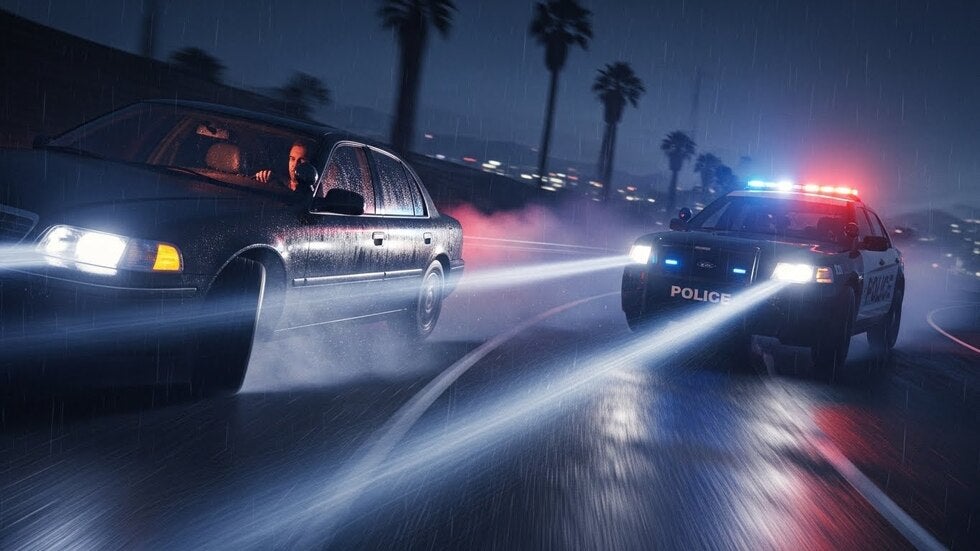
California Vehicle Code Section 2800.1 criminalizes evading or attempting to elude a pursuing peace officer, requiring prosecutors to prove four specific technical elements beyond a reasonable doubt. While these charges may seem straightforward, the statute's precise requirements create numerous opportunities for effective legal defense when any element cannot be established. Understanding these technical requirements and available defense strategies is crucial for protecting your rights and avoiding the serious consequences of an evading conviction.
Understanding the Four Essential Elements of VC 2800.1
California's evading statute requires prosecutors to prove four distinct elements, each of which must be established beyond a reasonable doubt for a valid conviction. The failure to prove any single element requires dismissal of charges, making careful analysis of each requirement crucial for effective defense.
The statute was designed to ensure that individuals being pursued have reasonable notice that they are being stopped by legitimate law enforcement officers rather than impersonators or unauthorized vehicles. This protective purpose creates specific technical requirements that provide substantial defense opportunities when properly challenged.
Element One: Visible Red Light Requirements
Red Lamp Visibility and Positioning
VC 2800.1 requires that the peace officer's vehicle exhibit "at least one lighted red lamp visible from the front" and that the defendant either saw or reasonably should have seen the lamp. This element provides multiple defense opportunities when examining the specific circumstances of alleged pursuits.
Your defense attorney should investigate whether the police vehicle actually displayed a functioning red light visible from the front, whether the light was obscured by other vehicles or environmental conditions, and whether you had a reasonable opportunity to observe the light given traffic, weather, or roadway conditions issues that are especially relevant in cases where officers allege phone use and defendants question is it safe to text at a red light under California law.
"Reasonably Should Have Seen" Standard
The statute's "reasonably should have seen" language creates an objective standard that can be challenged based on specific circumstances including time of day, weather conditions, traffic density, road configuration, and your position relative to the police vehicle.
Your defense team should examine whether a reasonable person in your position would have been able to see the red light, considering factors such as bright sunlight that might obscure emergency lights, heavy traffic that blocked your view, or road conditions that prevented clear observation.
Technical Light Functionality
The prosecution must prove that the red light was actually functioning and visible at the time of the alleged pursuit. Malfunctioning equipment, intermittent lighting, or technical failures can provide complete defenses when police vehicles don't meet the statutory requirements.
Your attorney should investigate police vehicle maintenance records, equipment functionality reports, and witness testimony about the actual visibility and operation of emergency lighting during the incident.
Element Two: Siren Requirements and Audibility
"Reasonably Necessary" Siren Standard
VC 2800.1 requires that the police vehicle sound "a siren as may be reasonably necessary," creating a flexible standard that depends on specific circumstances. Not every situation requires continuous siren use, but the siren must be used when reasonably necessary for the circumstances.
Your defense should examine whether siren use was actually reasonably necessary given the specific traffic conditions, time of day, location, and other factors that might affect the need for audible warning signals during the pursuit.
Environmental and Acoustic Challenges
Siren audibility can be affected by numerous factors including vehicle insulation, radio volume, air conditioning, traffic noise, and road conditions. Your defense should investigate whether you could reasonably have heard the siren under the specific circumstances.
Expert testimony about acoustic conditions, vehicle sound insulation, and environmental noise levels can effectively challenge prosecution claims about siren audibility and reasonable awareness of police pursuit.
Timing and Duration of Siren Use
The prosecution must prove that sirens were activated when reasonably necessary, not merely that the police vehicle was equipped with functioning sirens. Intermittent or delayed siren activation can undermine prosecution claims about proper notice.
Your attorney should examine police reports, dispatch recordings, and witness testimony to establish exactly when sirens were activated and whether their use complied with the statutory requirements.
Element Three: Distinctive Vehicle Markings
"Distinctively Marked" Requirements
The pursuing police vehicle must be "distinctively marked" to clearly identify it as a law enforcement vehicle. This requirement protects citizens from being required to stop for unmarked or improperly identified vehicles that might be operated by impersonators.
Your defense should examine whether the police vehicle displayed proper law enforcement markings, whether markings were clearly visible under the circumstances, and whether the vehicle's appearance would clearly identify it as a legitimate police vehicle to reasonable observers.
Visibility and Recognition Standards
Distinctive markings must be visible and recognizable under the specific conditions of the pursuit. Poor lighting, weather conditions, or vehicle positioning can affect the visibility of police markings and undermine prosecution claims about proper identification.
Your attorney should investigate whether police markings were actually visible from your position, whether environmental conditions affected recognition, and whether the vehicle's appearance clearly identified it as law enforcement.
Unmarked Vehicle Limitations
Unmarked police vehicles generally cannot support VC 2800.1 prosecutions unless they meet specific statutory exceptions. Your defense should challenge charges when unmarked or improperly marked vehicles were involved in alleged pursuits.
This includes investigating the specific law enforcement agency's policies about pursuit vehicles and whether the pursuing officer was authorized to conduct pursuits in the vehicle used.
Element Four: Distinctive Uniform Requirements
Officer Uniform Visibility
The pursuing peace officer must be wearing a "distinctive uniform" that identifies them as law enforcement. This requirement ensures that citizens can recognize legitimate police officers rather than impersonators or unauthorized individuals.
Your defense should examine whether the officer was actually wearing a proper uniform, whether the uniform was visible to you during the incident, and whether civilian clothing or incomplete uniforms undermine prosecution claims.
Plain Clothes and Undercover Officer Issues
Officers in plain clothes or undercover assignments generally cannot support VC 2800.1 prosecutions unless they meet specific statutory requirements for identification. Your attorney should challenge charges when uniformed officers were not involved in the pursuit.
This includes investigating whether pursuing officers had proper identification, whether their law enforcement status was clearly apparent, and whether you had reasonable opportunity to recognize their authority.
Intent and Knowledge Defenses
Specific Intent to Evade
VC 2800.1 requires that defendants act "with the intent to evade" pursuing officers, creating opportunities to challenge prosecution claims about your mental state and motivations during the incident.
Your defense should present evidence about alternative explanations for your driving behavior, including attempts to find safe stopping locations, confusion about police identity, or reasonable fear for your safety that motivated continued driving.
Lack of Awareness Defenses
If you were genuinely unaware that police were attempting to stop you, the prosecution cannot establish the required intent to evade. This defense applies when emergency signals were not observed or when circumstances prevented reasonable awareness of police pursuit.
Your attorney should investigate factors that might have prevented your awareness of police pursuit, including vehicle malfunctions, medical emergencies, or environmental conditions that affected your ability to perceive emergency signals.
Constitutional and Procedural Defenses
Fourth Amendment Challenges
The initial traffic stop that leads to evading charges must be supported by reasonable suspicion or probable cause. If the underlying stop was unlawful, subsequent evading charges may be dismissed.
Your defense should examine whether police had proper justification for the initial stop attempt, whether reasonable suspicion existed for the traffic enforcement action, and whether constitutional violations occurred during the investigation.
Pursuit Policy Violations
Law enforcement agencies have specific policies governing vehicle pursuits that may affect the validity of evading charges. Violations of pursuit policies can provide defense opportunities and undermine prosecution cases.
Your attorney should investigate whether pursuing officers followed proper pursuit procedures, whether supervisor approval was obtained when required, and whether pursuit policies were violated during the incident.
Challenging Evidence and Investigation
Video Evidence Analysis
Many VC 2800.1 cases involve video evidence from patrol car cameras, body cameras, or traffic surveillance systems. Technical analysis of video evidence can reveal weaknesses in prosecution claims about statutory elements.
Your defense should examine all available video evidence to determine whether it actually supports prosecution claims about red lights, sirens, vehicle markings, and officer uniforms during the alleged pursuit.
Witness Testimony Credibility
Police officer testimony often forms the foundation of evading prosecutions, but this testimony can be challenged based on observation conditions, memory limitations, and potential bias or inconsistencies.
Your attorney should carefully cross-examine officer testimony, identify inconsistencies with physical evidence, and present alternative witness accounts when available.
Penalty Mitigation and Alternative Sentencing
Misdemeanor Penalties and Consequences
VC 2800.1 violations are misdemeanors punishable by up to one year in county jail and substantial fines. However, many cases can be resolved through alternative sentencing that avoids incarceration while addressing public safety concerns.
Your defense should present mitigation evidence about your background, the circumstances of the incident, and steps taken to avoid future violations to support arguments for minimal penalties.
DMV Consequences and License Issues
Evading convictions can affect your driving privileges and may trigger DMV administrative actions. Your attorney should consider these collateral consequences when developing defense strategies and plea negotiation approaches.
Building Comprehensive Defense Strategies
Technical Element Analysis
Successful VC 2800.1 defense requires meticulous analysis of each statutory element and identification of weaknesses in prosecution evidence. Your defense team should examine every technical requirement and challenge insufficient proof.
Expert Testimony Considerations
Complex cases may require expert testimony about vehicle lighting, acoustic conditions, or law enforcement procedures to effectively challenge prosecution theories and support defense arguments.
Protecting Your Rights and Driving Privileges
VC 2800.1 charges carry serious consequences including potential jail time, substantial fines, and impacts on your driving privileges and employment opportunities. The technical nature of the statutory requirements provides opportunities for effective defense when properly pursued.