
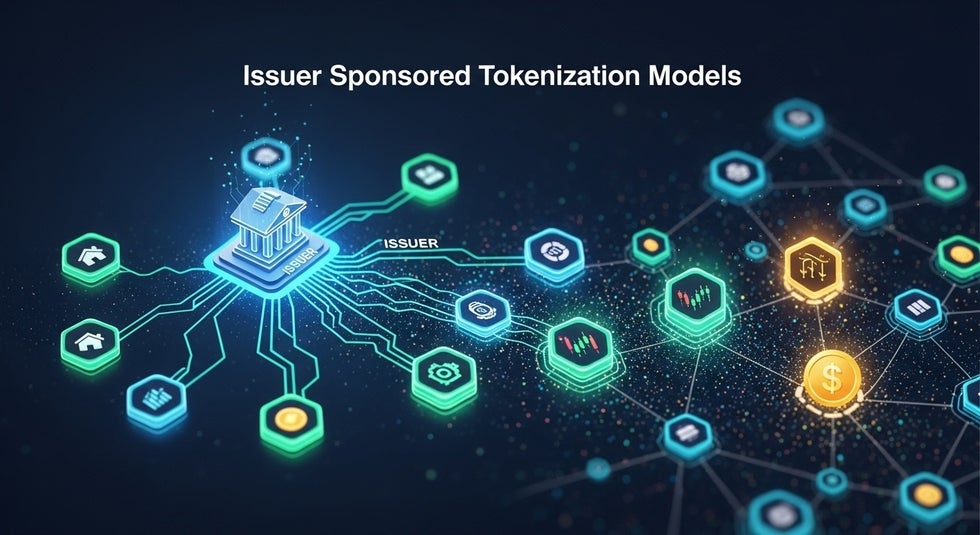
When companies choose to issue securities in tokenized format, they typically integrate distributed ledger technology into their master security holder files. This integration means that when a token transfers on the blockchain, the corresponding security ownership transfers on the official records maintained by the issuer or its designated agent.
Direct Integration Model
Under this approach, the blockchain itself becomes part of the official recordkeeping system. The issuer maintains ownership records through onchain database entries while connecting this information with traditional offchain data such as shareholder names and addresses.
The onchain records might include wallet addresses, quantities owned, and issue dates, while conventional databases maintain personal identifying information.
Companies can issue a single class of securities in multiple formats simultaneously, including both traditional and tokenized versions. Shareholders may even convert their holdings from one format to another. Bulldog Law assists clients in structuring these arrangements to ensure compliance across all formats while maintaining accurate recordkeeping systems that satisfy regulatory requirements.
Indirect Integration Model
An alternative approach involves issuing the underlying security through traditional offchain systems while providing token holders with digital assets that facilitate transfers. Under this model, the tokens themselves do not convey the actual rights and obligations of the security. Instead, they serve as a mechanism to notify the issuer when ownership should transfer on the official master securityholder file.
The crypto asset essentially functions as a communication tool. When tokens transfer between wallets, this triggers the issuer or its agent to update the offchain records that constitute the authoritative ownership registry. Our attorneys help clients implement systems that ensure token transfers properly correspond with official ownership changes.
Classification and Registration Requirements
The Securities Act mandates that every offer and sale of a security must be registered with the Securities and Exchange Commission unless a valid exemption applies. This requirement persists regardless of whether securities are issued in traditional or tokenized format. Companies cannot avoid registration obligations simply by utilizing blockchain technology.
When issuers create tokenized securities that differ from their traditional offerings, classification questions arise. A company might issue one class of common stock in conventional format and a separate class as tokenized securities. However, if the tokenized version provides substantially similar rights and privileges as the traditional version, regulators may treat them as the same class for certain purposes under federal securities laws.
Bulldog Law provides counsel on securities registration requirements and helps clients determine whether exemptions apply to their tokenized offerings. We analyze the specific characteristics of each security class to advise on proper classification and compliance strategies.
Third Party Tokenization Arrangements
Beyond issuer sponsored models, third parties unaffiliated with the original issuer may create tokenized versions of existing securities. These arrangements introduce additional complexity because the tokens may provide rights that differ materially from the underlying securities. Token holders might face risks related to the third party sponsor, such as bankruptcy exposure, that would not affect holders of the original securities.
Custodial Tokenized Securities
Third parties can create security entitlements formatted as crypto assets while holding the underlying securities in custody. The token evidences the holder's ownership interest, whether direct or indirect, in the custodied assets. Similar to issuer sponsored models, the third party may integrate distributed ledger technology directly into its entitlement holder recordkeeping systems, or it may use tokens to trigger updates to offchain records.
These custodial arrangements remain subject to all applicable securities laws. The format does not alter regulatory obligations or the legal characterization of the entitlements. Our firm advises both sponsors of custodial tokenization platforms and investors holding these tokenized entitlements on their respective rights and obligations.
Synthetic Exposure Through Linked Securities
A third party may issue its own security that provides synthetic exposure to a referenced security issued by an unaffiliated company. These linked securities, formatted as crypto assets, do not represent obligations of the original issuer and convey no rights from that issuer. Instead, returns correlate with the value of or events relating to the referenced security.
Linked securities can take various forms, including structured notes or exchangeable stock. They allow investors to gain economic exposure without directly holding the underlying security. However, these instruments introduce counterparty risk because investors depend on the third party issuer's creditworthiness and performance.
At Bulldog Law, we help clients structure linked security offerings to ensure proper disclosure of risks and compliance with applicable regulations. We also represent investors who need to understand the distinctions between holding actual securities versus synthetic exposure products.
Security Based Swaps as Tokenized Instruments
Security based swaps represent another category of synthetic exposure instruments that may be formatted as crypto assets. These swaps typically provide exposure to referenced securities or specific events affecting securities issuers without conveying equity, voting, or information rights regarding the underlying securities.
Significant restrictions apply to security based swap transactions. Unless a registration statement is effective, these instruments generally cannot be offered or sold to persons who are not eligible contract participants. Additionally, transactions must be effected on national securities exchanges. These requirements apply regardless of tokenization.
The distinction between security based swaps and linked securities depends partly on statutory exclusions from the swap definition. Traditional notes, bonds, and certain options on securities may be excluded from the swap definition based on their economic characteristics rather than their labels. Our attorneys analyze whether specific tokenized instruments qualify as security based swaps or fall within applicable exclusions.
Compliance Considerations Across Tokenization Models
Regardless of which tokenization model applies, federal securities laws govern the creation, offering, and trading of these instruments. The technological format does not create safe harbors or reduce compliance obligations. Companies and third party sponsors must navigate registration requirements, disclosure obligations, and trading restrictions just as they would for traditionally formatted securities.
Bulldog Law provides comprehensive representation for clients throughout the tokenization process. We assist with regulatory analysis, registration statement preparation, exemption qualification, disclosure document drafting, and ongoing compliance monitoring. Our experience spans both issuer sponsored tokenization projects and third party platforms seeking to create innovative products within the bounds of applicable law.
Moving Forward with Tokenized Securities
The tokenization of securities presents significant opportunities for innovation in capital formation and trading efficiency. However, these technological advances demand rigorous attention to legal compliance. At Bulldog Law, we combine deep understanding of securities regulation with practical knowledge of blockchain technology to guide clients through this evolving landscape.
Whether you are considering tokenizing your company's securities, launching a platform for third party tokenization, or investing in tokenized instruments, proper legal counsel is essential.
Contact Bulldog Law to discuss how we can help you navigate the complex intersection of securities law and blockchain technology while protecting your interests and ensuring regulatory compliance.