
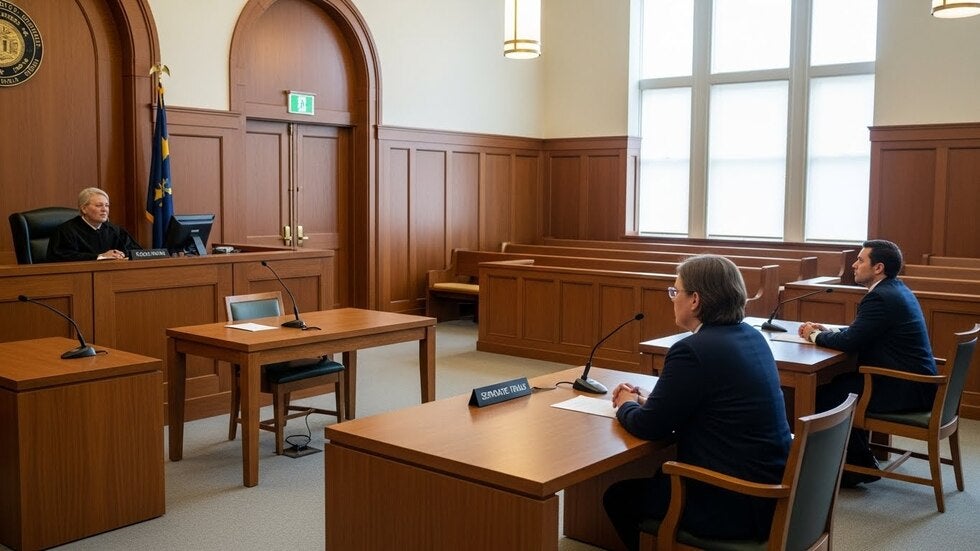
California law grants alleged crime victims significant rights to be present during criminal proceedings, even when they are witnesses who will testify. This creates a unique dynamic in criminal trials that can affect your defense strategy and the fairness of your proceedings. Understanding the scope of victim presence rights, the limited circumstances where exclusion is possible, and how these rules interact with traditional witness sequestration helps ensure you receive a fair trial while respecting legitimate victim interests.
The General Rule: Victims Have Broad Presence Rights
Unlike other witnesses who can be excluded from the courtroom before testifying, alleged crime victims have a statutory right to be present throughout criminal proceedings. This right applies to all stages where the defendant, prosecutor, and general public are entitled to attend. The law creates a strong presumption in favor of victim presence, reflecting California's constitutional commitment to victims' rights.
This means that even if the alleged victim will testify as a witness, they can typically observe other witnesses' testimony, hear opening statements and closing arguments, and be present for jury selection and verdict. This represents a significant exception to traditional witness sequestration rules, which are designed to prevent witnesses from tailoring their testimony based on what others have said.
For defendants, this creates challenges that do not exist in cases without identified victims. The alleged victim's continuous presence can influence how other witnesses testify, may affect jury perceptions, and can impact the emotional atmosphere in the courtroom. Understanding these dynamics is essential for effective defense advocacy, particularly when navigating procedures governed by Siskiyou County Superior Court Rule 6.21.
Who Qualifies as a Victim Under This Law
The statute defines "victim" more broadly than simply the person who claims to have been harmed by the alleged offense. The alleged victim can bring one person of their choosing to sit with them, and courts may allow additional support persons depending on the circumstances. This recognition that victims may need emotional support during difficult proceedings balances victim needs with courtroom management.
If the alleged victim cannot attend proceedings, they can designate two people to attend in their place, with courts having discretion to allow more. This ensures victim interests are represented even when the alleged victim has work obligations, health issues, or other reasons preventing personal attendance.
In homicide cases where the victim has died, two members of the victim's immediate family may attend, with courts again having discretion to permit additional family members. This acknowledges that family members have their own interests in observing justice being sought for their loved one's death.
Courts must balance these presence rights with practical courtroom management. If numerous family members wish to attend, the judge considers available seating, whether their presence would be disruptive, and whether the sheer number of victim representatives might unfairly prejudice the defendant by creating an emotionally charged atmosphere suggesting guilt.
The High Bar for Excluding Victims
Because victim presence is now a statutory right, excluding an alleged victim from proceedings requires meeting strict legal standards. The burden falls entirely on whoever seeks exclusion, typically the defense, to demonstrate that exclusion is necessary. This burden is substantial and requires more than speculation about potential problems.
The moving party must show a substantial probability that overriding interests will be prejudiced by the victim's presence. This is a demanding standard. Merely showing some possibility of prejudice or general concerns about fairness is insufficient. You must demonstrate specific, concrete ways in which the victim's presence will likely cause substantial harm to recognized legal interests.
The law identifies several categories of overriding interests that might justify exclusion, though this list is not exhaustive. Understanding these recognized interests helps defense attorneys craft effective arguments when victim exclusion truly is necessary to ensure a fair trial.
Your Right to a Fair Trial as a Basis for Exclusion
The defendant's right to a fair trial stands as the first recognized overriding interest that can justify victim exclusion. This reflects the fundamental constitutional principle that fair trial rights are paramount in criminal proceedings. However, simply invoking fair trial rights is not enough. You must show specifically how the victim's presence will undermine trial fairness.
One scenario where victim presence might threaten fair trial rights involves witness intimidation or influence. If the alleged victim has a commanding presence or relationship with other witnesses such that their courtroom presence will affect how those witnesses testify, exclusion might be warranted. For example, if the alleged victim is a parent or authority figure to other prosecution witnesses, those witnesses might alter their testimony based on the victim's reactions or presence.
Another fair trial concern arises when the alleged victim's emotional displays might improperly influence the jury. While victims understandably have emotional reactions to testimony, excessive crying, angry outbursts, or dramatic reactions can prejudice jurors against the defendant. If past behavior suggests the victim cannot control emotional displays that would prejudice the jury, temporary exclusion during particularly sensitive testimony might be appropriate.
The need to impeach the alleged victim's credibility can also create fair trial concerns. If the victim will testify and their credibility is central to the case, having them hear all other testimony before taking the stand gives them an unfair advantage in conforming their story to other evidence. This advantage can make effective cross examination more difficult and undermine the truth seeking function of trial.
Understanding your constitutional rights during trial includes recognizing when victim presence might compromise fair trial protections and knowing how to raise these concerns effectively.
Other Recognized Overriding Interests
Beyond fair trial rights, several other interests can justify victim exclusion in appropriate circumstances. The government's interest in protecting sensitive information might require excluding victims from portions of proceedings involving classified material, confidential informants, or ongoing investigations. While this scenario arises infrequently in typical criminal cases, it represents a recognized basis for exclusion.
Protecting witnesses from harassment and physical harm provides another justification for exclusion. If credible evidence suggests the victim might threaten or intimidate witnesses, either in the courtroom or afterward based on their testimony, exclusion protects the integrity of witness testimony and witness safety.
The court's interest in maintaining order recognizes that courtroom decorum is essential to fair proceedings. If a victim has been disruptive in past court appearances or has made threats of disruption, this interest might support exclusion. However, past good behavior weighs against exclusion, and speculation about possible future disruption is insufficient.
Protection of sexual offense victims from trauma and embarrassment acknowledges the sensitive nature of such cases. Ironically, this typically works to exclude defendants or the public rather than victims, but it recognizes that certain testimony is particularly sensitive and might justify limiting who is present.
Safeguarding the physical and psychological wellbeing of minor witnesses also constitutes an overriding interest. If a child must testify and the alleged victim's presence would be traumatic or inhibiting to the child, exclusion during that testimony might be appropriate.
Trade secret protection rarely arises in criminal cases but represents another recognized overriding interest where it does apply, such as in intellectual property theft prosecutions.
The Requirement to Consider Alternatives
Even when overriding interests exist that might justify exclusion, courts cannot simply exclude victims without first considering reasonable alternatives. This requirement ensures exclusion is truly a last resort used only when no other solution adequately protects the identified interests.
Alternative measures might include limiting the duration of exclusion to specific portions of testimony rather than the entire trial. If the concern is that the victim will hear other witnesses before testifying, excluding them only during that testimony while allowing presence at other times might adequately address the concern.
Imposing conditions on the victim's presence represents another alternative. The court might allow the victim to remain but warn that any emotional outbursts or attempts to communicate with witnesses will result in immediate removal. This conditional presence allows victim rights to be respected while protecting against the specific concerns that prompted the exclusion motion.
Changing seating arrangements can address some concerns. If the issue is that the victim's presence intimidates a particular witness, seating the victim outside that witness's line of sight might solve the problem without requiring exclusion.
Using screens or video testimony for sensitive witnesses provides yet another alternative. If a child witness would be traumatized by the victim's presence, allowing the child to testify via closed circuit television might protect both victim presence rights and the child's wellbeing.
The court must engage in this alternatives analysis explicitly. Simply concluding that exclusion is necessary without discussing why alternatives would be inadequate fails to satisfy the statutory requirements and may constitute reversible error if it significantly affects the trial's outcome.
Narrow Tailoring Requirement
Any exclusion or limitation on victim presence must be narrowly tailored to serve the identified overriding interest. This means the restriction must be no broader than necessary to address the specific concern that prompted it. Courts cannot impose sweeping exclusions when targeted, limited restrictions would suffice.
For example, if the concern is witness intimidation during a specific witness's testimony, excluding the victim for only that witness's testimony is narrowly tailored. Excluding the victim from the entire trial would not be narrowly tailored to this specific concern.
If the issue is potential emotional outbursts during particularly graphic or emotional testimony, excluding the victim during only that testimony while allowing presence at other times represents narrow tailoring. Permanent exclusion from all proceedings would be overbroad.
The narrow tailoring requirement protects victim rights while ensuring that when exclusion truly is necessary, it accomplishes its purpose without unnecessarily restricting victim participation beyond what the identified concern requires.
The Hearing Requirement and Factual Findings
Before excluding a victim, the court must hold a hearing where the victim has an opportunity to be heard. This procedural protection ensures victims can respond to exclusion requests and present their own perspective on whether exclusion is necessary and whether alternatives would suffice.
At this hearing, the defense presents evidence and argument supporting exclusion. This might include testimony about past incidents of disruption, evidence of relationships between the victim and other witnesses that create intimidation concerns, or expert testimony about how victim presence might affect witness testimony.
The victim can present contrary evidence, explain why their presence will not create the problems the defense anticipates, and propose alternative measures that would address concerns without requiring exclusion. The victim might commit to sitting in a particular location, agree to leave if disruption occurs, or offer other accommodations.
Following this hearing, the court must make specific factual findings supporting any decision to exclude or limit victim presence. Generic conclusions are insufficient. The court must identify the specific overriding interest at stake, explain why that interest creates a substantial probability of prejudice, detail what alternatives were considered and why they are inadequate, and articulate how the exclusion order is narrowly tailored to address the identified concern.
These required findings create an appellate record allowing reviewing courts to determine whether exclusion was properly ordered. Without specific findings, appellate courts may reverse exclusion orders, potentially requiring new trials if the improper exclusion affected the outcome.
Protecting procedural rights during trial includes ensuring courts follow required procedures when making decisions that affect trial fairness and participants' rights.
The Special Rule for Victim Witnesses
Evidence Code Section 777 allows courts to exclude witnesses from the courtroom before they testify to prevent them from tailoring their testimony based on other witnesses' statements. This traditional sequestration rule would seem to conflict with victim presence rights, but the statute addresses this tension specifically.
Courts can exclude victims who are subpoenaed as witnesses under Evidence Code Section 777, but even this exclusion must be consistent with the objectives of allowing victim presence whenever possible. This means courts should use the least restrictive means of preventing testimony contamination while maximizing victim presence.
One approach involves excluding the victim witness only until they complete their testimony, then allowing them to remain for the rest of trial. This prevents them from hearing other witnesses before testifying but respects their interest in observing the rest of the proceedings.
Another approach involves calling the victim witness early in the trial, minimizing how much they miss while excluded, then allowing them to remain for subsequent proceedings. Strategic witness order can thus accommodate both sequestration concerns and victim presence rights.
In some cases, the court might determine that the victim's testimony will not be significantly affected by hearing other witnesses, particularly if they testified at preliminary hearing about the same events and their story is unlikely to change. In such circumstances, the court might allow the victim to remain throughout, finding that sequestration concerns are minimal.
The key point for defense attorneys is that victim witness status does not automatically override presence rights. The court must still engage in analysis about whether exclusion is necessary and whether alternatives would suffice. Simply invoking Evidence Code Section 777 is not enough to exclude a victim witness without proper findings about why their testimony might be affected by observing other testimony.
Strategic Considerations for Defense Attorneys
Understanding victim presence rights allows defense attorneys to make informed strategic decisions about when to seek exclusion and how to manage victim presence when exclusion is not possible or appropriate.
In cases where the alleged victim's credibility is not contested and their testimony is relatively straightforward, fighting for exclusion may accomplish little while creating unnecessary conflict and potentially generating sympathy for the victim. Strategic discretion about which battles to fight serves your interests better than reflexively opposing all victim presence.
However, when the case turns on credibility determinations between the defendant and alleged victim, or when the victim has shown tendencies toward disruptive behavior, seeking exclusion becomes more important. Your attorney must present specific evidence supporting the exclusion request, not merely general arguments about fairness.
Even when seeking exclusion, your attorney should propose alternatives that might address concerns while respecting victim rights. Showing good faith in trying to accommodate multiple interests strengthens the exclusion motion and demonstrates to the court that exclusion truly is necessary rather than being sought for tactical advantage.
Managing Victim Presence at Trial
When victims exercise their presence rights and attend trial, defense attorneys must account for this dynamic in trial strategy. This includes being mindful of how arguments and questions might be perceived given the victim's presence, preparing your client for the emotional reality of having the alleged victim in the courtroom, and ensuring that jury focus remains on evidence rather than sympathy.
Your attorney should object to any improper conduct by victim representatives, such as attempting to communicate with witnesses or jurors, making audible comments during proceedings, or engaging in dramatic emotional displays intended to influence the jury. Courts have the authority and obligation to maintain order, and victims' presence rights do not include the right to disrupt proceedings.
At the same time, defense counsel must be respectful toward victims and avoid appearing callous or insensitive, which could alienate jurors. Effective advocacy balances vigorous defense with appropriate sensitivity to the difficult situation all participants face during criminal trials.
Balancing Constitutional Rights
The tension between victim presence rights and defendant fair trial rights reflects broader challenges in modern criminal justice, which increasingly recognizes victims as active participants rather than merely sources of evidence. While this recognition serves important interests, it must not override the fundamental constitutional protections afforded to those accused of crimes.
Your right to confrontation, to an impartial jury, and to due process of law remain paramount. When victim presence genuinely threatens these constitutional protections, courts must prioritize fair trial rights over victim presence preferences. However, the burden remains on the defense to demonstrate this conflict with specificity and to show that alternatives cannot resolve the tension.
Understanding these competing interests and the legal framework for balancing them helps you work effectively with your defense team to ensure that while victims' legitimate interests are respected, your constitutional rights to a fair trial are never compromised.
Conclusion: Navigating Victim Presence Rights
California's statutory scheme regarding victim presence at criminal trials creates a framework that generally favors allowing victims to attend proceedings while preserving defendants' rights to fair trials when genuine conflicts arise. The high bar for excluding victims reflects policy choices about respecting crime victims' interests, but the specific requirements for exclusion orders protect against arbitrary or unnecessary restrictions on defendant rights.
If you face criminal charges, discuss with your attorney whether victim presence issues might affect your case. In most cases, victim attendance will not create grounds for exclusion, and your defense will proceed with the alleged victim observing proceedings. However, when specific circumstances create genuine fair trial concerns, understanding the legal standards for seeking exclusion empowers you and your attorney to take appropriate action.
The key is recognizing that victim presence rights are strong but not absolute, that exclusion requires meeting demanding legal standards with specific evidence, and that courts must carefully balance competing interests while ultimately ensuring you receive the fair trial the Constitution guarantees. If your rights as a victim or defendant are at stake, contact Bulldog Law at (888) 928-1609.