
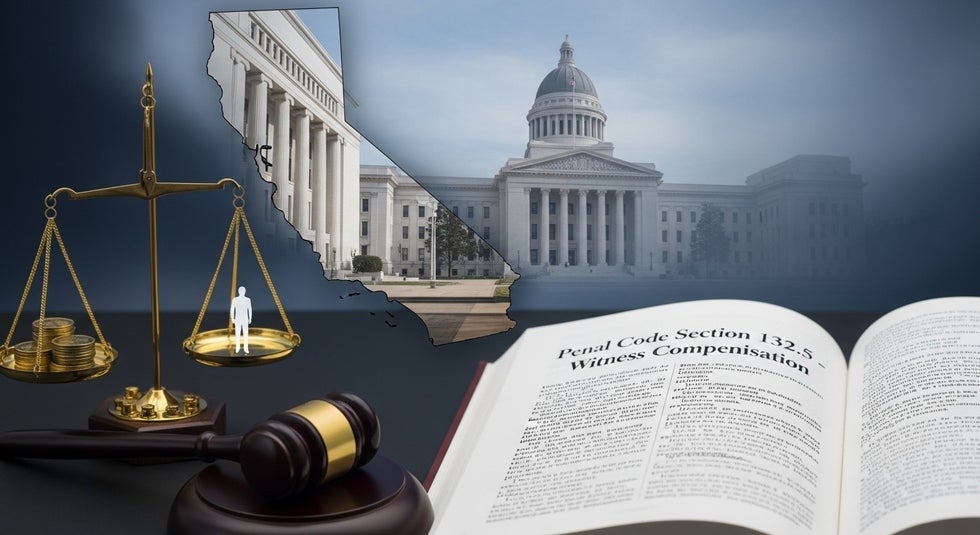
When a crime occurs, witnesses hold crucial information that can make or break a criminal case. But what happens when those witnesses stand to profit from their knowledge?
California Penal Code Section 132.5 addresses this delicate balance between free speech, justice, and the integrity of criminal proceedings. Understanding this law is essential for anyone who might find themselves in a position to provide testimony or information about criminal activity.
What Is Penal Code Section 132.5?
California Penal Code Section 132.5 prohibits witnesses from accepting money or other compensation in exchange for information about crimes they witnessed or have personal knowledge about.
The Legislature enacted this statute to preserve the reliability of evidence in criminal trials and maintain public confidence in the justice system.
The law recognizes a fundamental concern: when witnesses receive payment for their testimony or information, it creates questions about their credibility and motivations. Are they testifying to tell the truth, or are they shaping their narrative to maximize their compensation?
This concern extends beyond the courtroom to affect how the public views the entire criminal justice process.
Who Does This Law Apply To?
The statute targets two specific categories of individuals. First, it applies to any person who witnesses an event they know is a crime or who possesses personal knowledge of facts that could require them to testify in a criminal prosecution. Second, it covers individuals who witness an event they reasonably should know constitutes criminal activity.
This distinction matters significantly in how the law is enforced. The first category involves actual knowledge of criminal conduct, while the second requires only that a reasonable person would recognize the activity as potentially criminal. This broader scope ensures that witnesses cannot claim ignorance as a defense when the criminal nature of the events should have been obvious.
What Compensation Is Prohibited?
The law prohibits accepting or receiving money or its equivalent, either directly or indirectly, in consideration for providing information obtained through witnessing criminal events or possessing personal knowledge of relevant facts.
The phrase "or its equivalent" is intentionally broad, encompassing not just cash payments but any form of valuable consideration, including goods, services, or other benefits.
However, the prohibition specifically focuses on compensation received "in consideration for" providing information. This means the payment must be connected to the witness sharing their knowledge about the crime. The timing and nature of any financial arrangement become critical factors in determining whether a violation has occurred.
Important Exceptions to the Rule
California law recognizes several legitimate circumstances where witnesses can receive compensation without violating Penal Code Section 132.5. These exceptions reflect practical realities in how the criminal justice system functions and how information is gathered and disseminated.
Expert Witnesses and Legal Representatives
Lawful compensation paid to expert witnesses, investigators, employees, or agents by prosecutors, law enforcement agencies, or defense attorneys does not violate this statute. The criminal justice system relies heavily on expert testimony, and these professionals provide specialized knowledge that goes beyond simply recounting what they observed.
Law Enforcement Informants
The statute explicitly permits lawful compensation provided to informants by prosecutors or law enforcement agencies. Informant programs serve important public safety functions, and the Legislature recognized that prohibiting such payments would undermine legitimate investigative techniques.
Media Professionals
Journalists and media professionals can receive compensation for disclosing information obtained in the ordinary course of their business. This exception protects First Amendment rights and recognizes the vital role the press plays in informing the public about criminal matters. The key phrase here is "ordinary course of business," which means the compensation must be part of standard journalistic work rather than payment specifically for witness information.
Reward Programs
Both government agencies and private reward programs offered by crime victims can lawfully compensate individuals for information leading to arrests and convictions. These programs incentivize community members to come forward with information that might otherwise remain hidden, serving important public safety goals.
Witness Protection Programs
Witnesses participating in California's Witness Relocation and Assistance Program can receive lawful compensation as part of that program's support services. These individuals often face significant personal risks, and the Legislature determined that supporting their safety and wellbeing serves the interests of justice.
What About Recordings?
An important clarification in the statute excludes photographs, videotapes, audiotapes, and other direct recordings from the definition of "information" covered by this law. This means individuals can sell actual recordings of criminal events without violating Penal Code Section 132.5. The prohibition applies to testimonial or narrative information about crimes, not to the physical evidence of the events themselves.
This distinction makes sense from a policy perspective. A video recording captures objective evidence of what occurred, while testimonial information involves human interpretation and recollection, which can be influenced by financial incentives.
Timing Matters: The One Year Rule
Penal Code Section 132.5 does not apply if more than one year has elapsed since the criminal act occurred, unless prosecution has already commenced. Once prosecution begins, the statute remains applicable until final judgment in the case.
This temporal limitation recognizes that the concerns about witness credibility become most acute when criminal proceedings are active or imminent.
For defense attorneys and their clients, this timing provision creates important strategic considerations. Understanding when this statute applies can affect decisions about witness interviews, information gathering, and case preparation strategies.
Penalties for Violations
The consequences for violating this law depend on which subsection applies. Violations involving witnesses who know or reasonably should know they may be called to testify constitute misdemeanors punishable by up to six months in county jail, a fine up to three times the compensation amount, or both imprisonment and fine.
For violations involving witnesses who reasonably should know an event is criminal, the Attorney General or district attorney can pursue civil proceedings. A final judgment in such cases results in a fine equal to 150 percent of the amount received or contracted for by the person.
These penalty structures serve both punitive and deterrent functions, making it financially disadvantageous to accept improper witness payments while also signaling the seriousness with which California treats these violations.
Defending Against Allegations
If you face accusations of violating Penal Code Section 132.5, several defense strategies may apply. The prosecution must prove you accepted compensation "in consideration for" providing information, establishing a clear connection between the payment and the information shared. If compensation was for unrelated purposes or fell within one of the statutory exceptions, you may have a viable defense.
The timing of events, the nature of any agreements, and whether the compensation truly relates to witness information all become crucial factors. Additionally, challenging whether you actually knew or should have known about the criminal nature of the events can be essential to your defense strategy.
Protecting Your Rights
Understanding California's witness compensation law helps protect both your legal rights and the integrity of criminal proceedings. Whether you witnessed criminal activity, possess relevant information, or face allegations of violating this statute, consulting with an experienced criminal defense attorney is crucial.
The interplay between constitutional rights, criminal procedure, and witness compensation creates complex legal questions that require careful navigation. At The Bulldog Law, we understand these nuances and can help you understand your rights and obligations under California law.
Contact us today to discuss your specific situation and ensure your interests are properly protected throughout any criminal justice proceedings.