
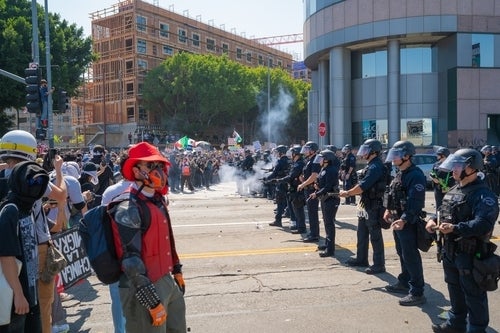
California Penal Code 142 sets a clear rule for peace officers who have authority to receive or arrest a person charged with a criminal offense. If an officer willfully refuses to receive or arrest that person, the law permits prosecution and significant penalties. Understanding how this statute works can reveal important defense opportunities in cases where law enforcement failed to carry out mandated duties.
What California Penal Code 142 Requires
Subdivision (a) states that a peace officer with legal authority to receive or arrest a person charged with a criminal offense must perform that duty. A willful refusal to act may be punished by a fine, incarceration in county jail, a felony sentence under Penal Code 1170(h), or both fine and incarceration. In practice, the key question is whether the failure to act was a conscious choice rather than the product of safety concerns, lack of legal authority, or other legitimate constraints.
The Role of “Willful Refusal” in PC 142
“Willful” means the officer intentionally declined to perform a required act. For defense strategy, this turns on the totality of the circumstances. Useful sources include body-worn camera footage, dispatch logs, arrest and booking records, witness statements, and jail intake documentation. If those materials show an unjustified refusal to accept or process a custodial intake, the defense can argue that the integrity of subsequent procedures was compromised.
Sheriff Authority Over Facilities under Subdivision (b)
Subdivision (b) recognizes a sheriff's discretion to designate which county facilities serve as reception, holding, or confinement locations and to assign classes of prisoners to those facilities. Operational flexibility does not excuse willful refusal to receive or arrest an eligible person. When unusual delays or detours occur during booking, counsel should examine whether the sheriff's facility designations were applied in good faith and consistent with statutory requirements.
Citizen's Arrest Exception under Penal Code 837
Subdivision (c) makes clear that Penal Code 142 does not apply to arrests made under Penal Code 837, which governs private person's arrests. If a case began with a citizen's arrest, the defense should map out the transition from private detention to police custody. The timing of officer involvement, probable cause confirmations, and acceptance decisions may determine whether any duty under PC 142 was triggered.
How PC 142 Issues Can Strengthen a Defense
- Challenging reliability of procedures. A willful refusal to receive or arrest may taint later evidence handling or custody documentation.
- Suppression or exclusion. Breakdowns in mandated intake can support arguments that subsequent searches, identifications, or statements should be suppressed.
- Credibility and reasonable doubt. Demonstrating noncompliance with PC 142 can undermine the credibility of the investigation and support reasonable doubt.
Related Public Order Context
Calls for service often involve lower-level public peace incidents that escalate into custodial decisions. During events implicating disturbing the peace charges California Penal Code 415 or conduct near schools that might resemble California Penal Code 415.5 school grounds disturbing the peace charges, officers still must evaluate whether statutory authority to receive or arrest exists and avoid any willful refusal where the duty is clear.
Administrative and Ministerial Officer Protections
California's public justice statutes also recognize the safety and integrity of public officials. In evaluating the broader context of officer duties and safeguards, it may be relevant to consider California Penal Code 77 protections for administrative and ministerial officers. While PC 77 addresses different misconduct, it illustrates how the Penal Code balances duties owed to the public with protections for officials carrying them out.
Penalties Under California Penal Code 142
- Misdemeanor exposure. Fine up to 10,000 dollars and up to 1 year in county jail.
- Felony exposure under 1170(h). When charged as a felony, sentencing occurs under Penal Code 1170(h). If the statute does not specify a term, the default felony triad commonly applies, which is 16 months, 2 years, or 3 years served in county jail unless otherwise disqualified.
- Both fine and incarceration. Courts may impose both monetary and custodial penalties.
Because PC 142 allows both misdemeanor and felony punishment, it operates as a wobbler in practice. Charging decisions often turn on the seriousness of the refusal, resulting harms, and any aggravating facts.
Common Fact Patterns That Raise PC 142 Issues
- Refusal at the jail intake counter. Jail personnel decline to accept a person presented by arresting officers despite proper paperwork and probable cause.
- On-scene refusal to accept custody. An officer with clear authority declines to receive a suspect from another agency or from a private person's arrest after probable cause is established.
- Operational pretexts. Facility designations are used to delay or avoid receiving a person who should be lawfully booked.
Defenses and Litigation Tactics
- No willful refusal. The record shows safety constraints, medical clearance issues, lack of jurisdiction, or insufficient probable cause rather than intentional refusal.
- Authority was unclear. The officer lacked authority to receive or arrest the person under the specific circumstances.
- Citizen's arrest exception. The matter remained within Penal Code 837 parameters and never triggered PC 142 duties.
- Evidentiary hearings. Seek evidentiary hearings to test intake timelines, communications, and compliance with booking protocols.
Frequently Asked Questions
Is PC 142 always a felony? No. The statute provides misdemeanor punishment and felony punishment under 1170(h), which means charging can vary based on the facts.
Does sheriff facility discretion excuse refusal? No. Subdivision (b) allows designation of facilities and classes of prisoners but does not authorize willful refusal to receive or arrest a person when the duty exists.
What records matter most? Body-worn camera, CAD and dispatch logs, jail intake forms, property forms, medical clearance records, and interagency communications often decide whether a refusal was willful.
Peace Officer Duties Defense Lawyers in California
If your case involves a failure by law enforcement to receive or arrest as required by California Penal Code 142, Bulldog Law can help. Our team analyzes intake records, jail policies, and statutory authority to expose willful refusals and protect your rights from the first contact through resolution. Contact us to discuss a defense strategy tailored to your situation.