
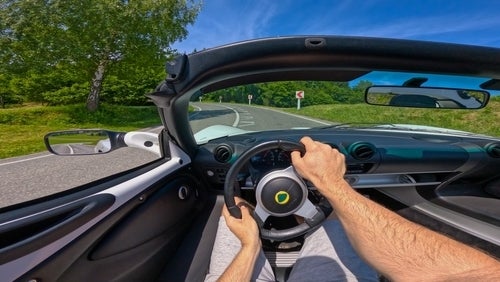
Being charged with joyriding under California Penal Code Section 499b might sound less serious than grand theft auto, but the legal consequences are real and potentially damaging. While PC 499b is typically a misdemeanor, the impact on your record, driving privileges, and future can be significant. However, this charge is also highly defensible—particularly when you understand the intent requirement and consent issues that distinguish joyriding from theft. A strategic legal defense can make all the difference in avoiding or reducing penalties.
Understanding California Penal Code Section 499b
PC 499b criminalizes taking or operating a vehicle without the owner's consent, but only with the intent of temporary use, not permanent deprivation. That distinction is key. Joyriding is treated differently from auto theft precisely because it involves different motives, and proving intent is often difficult for prosecutors. Recognizing this subtle but crucial difference is the foundation for many successful defenses against joyriding allegations.
The statute is also part of a broader legal ecosystem of vehicle-related charges. Understanding where PC 499b overlaps, or conflicts, with other laws is essential to identifying weak points in the prosecution's case and strengthening your defense strategy.
Intent to Temporarily Use vs. Permanently Steal
To convict someone under PC 499b, the prosecution must prove that the defendant intended only to use the vehicle temporarily. This is different from grand theft auto, which requires intent to permanently deprive the owner of their property.
This nuance creates defense opportunities. Courts have clarified in cases like People v. Howard and People v. Delgado that PC 499b's intent requirement is highly specific. If your actions suggest a plan to return the vehicle, or if you abandoned it shortly after use, it supports the notion of joyriding rather than theft.
Disputing this specific intent can also introduce reasonable doubt. Because intent is a state of mind, it must often be inferred, which gives your defense room to argue for alternative interpretations of your conduct.
Distinction from Vehicle Code Section 10851
PC 499b is frequently confused with—or charged alongside—Vehicle Code Section 10851, which covers unauthorized taking or driving of a vehicle. However, VC 10851 does not require the same specific intent to temporarily use the vehicle.
This difference is important. Courts have noted in People v. Frye that PC 499b is not necessarily a lesser-included offense of VC 10851. That means the prosecutor must meet different standards to convict under each law, and inconsistency between charges may work to your advantage.
Moreover, if the prosecution fails to show you had the intent required for PC 499b, that same weakness might undermine any related 10851 charge as well, giving your attorney strategic flexibility in how to present your case.
PC 499b as a Lesser Offense Defense Strategy
In cases initially charged as grand theft auto, joyriding can be introduced as a lesser included offense. This strategy is especially useful when there is evidence the defendant intended to return the vehicle.
For example, in People v. James, the court ruled that evidence supporting temporary use required jury instruction on PC 499b. Your attorney may use testimony about your conduct, behavior after taking the vehicle, or your relationship with the owner to argue for a downgrade in charges and avoid a felony conviction.
This approach can also be used in plea negotiations, offering the prosecutor a middle ground and giving you a chance to avoid harsher penalties or long-term consequences.
Consent as a Complete Defense
If you had the owner's permission—whether express or implied—then PC 499b does not apply. In People v. Gibson, the court found that even if a defendant exceeded the scope of permission, the presence of consent still barred prosecution under this statute.
This makes documentation and context extremely important. If you had a past relationship with the vehicle owner or had used the vehicle before with their approval, that history can support a consent-based defense. Text messages, witness testimony, or even social media conversations may be critical in proving implied or informal consent.
Challenging Allegations of Intent
Since PC 499b requires proof of specific intent for temporary use, you can challenge the prosecution by showing alternative motives or undermining their narrative. For instance, if you took the vehicle due to an emergency, personal crisis, or misunderstanding, those factors may cast doubt on the claim of intentional joyriding.
Mental state evidence—such as intoxication or emotional distress—can also be raised to suggest you were not capable of forming the required specific intent at the time of the incident.
The duration and location of vehicle use is another factor. If you drove the car briefly and left it in a recoverable location, that supports temporary use. But efforts to alter the vehicle, remove plates, or hide it could indicate different motives.
Common Scenarios and Defense Approaches
- Borrowed Vehicle: The defendant believed they had permission, or previously had it. These cases hinge on proving the original consent.
- Emergency Use: The vehicle was taken during a personal or public emergency. A necessity defense might apply.
- Relationship Disputes: Romantic or familial partners often share vehicles. Your attorney can explore implied consent arguments.
- Mistaken Identity: You believed the vehicle was yours or had rights to it. These often involve shared or rented vehicles.
Penalties for Joyriding Under PC 499b
PC 499b is typically charged as a misdemeanor. If convicted, potential penalties include:
- Up to 1 year in county jail
- Fines of up to $5,000
- Probation with conditions like restitution or community service
However, if the incident is related to DUI or results in injury, charges may escalate. In severe cases, a joyriding incident that causes death may lead to charges such as vehicular manslaughter while intoxicated under PC 191.5.
How Prior Offenses or DUI Factors May Affect Sentencing
If you have prior convictions, especially for theft or DUI, penalties may be enhanced. California has strict rules about repeat DUI offenses, and the state's dui recidivism tracking system ensures that prosecutors and judges are aware of your history.
Even a first-time offense can carry unexpected consequences. For more detail, review the possible dui consequences for a first-time offender in California, especially if your joyriding incident involved alcohol or impaired driving.
Building an Effective Defense Strategy
To defend against PC 499b charges, your legal team should act quickly to preserve evidence. This includes:
- Obtaining text messages or call logs that show consent or intent
- Interviewing witnesses who can confirm your relationship with the vehicle owner
- Investigating whether you abandoned the vehicle quickly or returned it
- Collecting mental health records or expert testimony on state of mind
Expert witnesses can testify about intent patterns, mental capacity, or vehicle use behavior. In cases involving emotional distress or misunderstanding, psychological evaluations may be especially helpful.
Negotiating Plea Deals and Alternative Resolutions
Prosecutors are often open to alternative resolutions for joyriding cases. Some options include:
- Pre-trial diversion for first-time offenders
- Restitution agreements with the vehicle owner
- Reduction of charges in exchange for no-contest plea
- Civil compromise under PC 1377 with the victim's approval
Your attorney may also negotiate for dismissal in exchange for community service or traffic school, especially when the evidence of criminal intent is weak.
Joyriding Defense Lawyers in California
If you're facing charges under California Penal Code 499b, the right defense can protect your criminal record, driving privileges, and future opportunities. At Bulldog Law, our attorneys have deep experience defending vehicle-related charges, from joyriding to grand theft auto and DUI-related offenses.
We understand the legal differences between temporary use and theft, and we know how to present consent-based and intent-based defenses that lead to dismissed charges or reduced penalties. Whether your case involves a misunderstanding, family vehicle, or emergency use, we're ready to help.
Contact Bulldog Law today to speak with trusted joyriding defense lawyers in California and get the aggressive, strategic representation you deserve.