
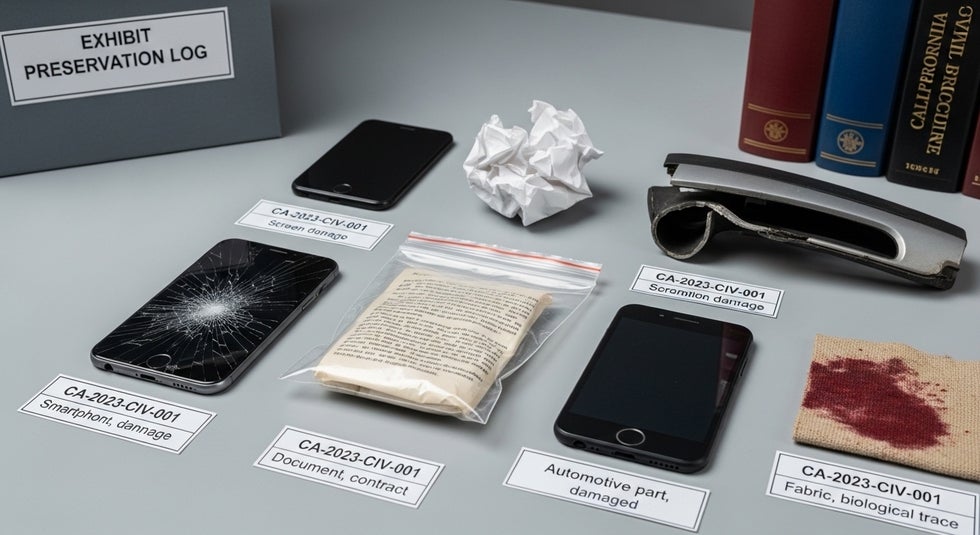
Understanding how courts handle physical evidence after trial can mean the difference between winning an appeal and losing crucial proof of your case. California Code of Civil Procedure crime establishes specific protocols for preserving, returning, and disposing of exhibits, depositions, and administrative records in civil litigation.
For defendants and their attorneys, knowing these rules is essential for protecting appellate rights and maintaining evidence that may prove vital months or even years after trial concludes.
Why Evidence Preservation Matters in Your Defense
Many defendants assume that once a trial ends, the legal battle is over. However, appeals, post-trial motions, and related proceedings often require access to the same evidence presented at trial. Without proper preservation procedures, critical exhibits demonstrating reasonable doubt, mitigation factors, or procedural errors may be permanently lost.
California recognizes this concern by establishing a structured system for evidence custody. The court clerk serves as the guardian of all trial exhibits, ensuring they remain available throughout the litigation process. This safeguard protects all parties, but defendants benefit particularly from understanding how to leverage these protections.
The Clerk's Custody Responsibilities During Active Litigation
During any civil case, the court clerk maintains physical custody of every exhibit, deposition transcript, and administrative record introduced at trial or filed with the court. This custody continues until the case reaches final determination or dismissal, creating a secure chain of custody that defendants can rely upon.
The default rule favors retention. Unless specific circumstances justify early return, exhibits remain under court control where they cannot be tampered with, lost, or destroyed. This neutral custody arrangement prevents either party from gaining an unfair advantage through control of physical evidence.
However, California law recognizes that sometimes parties need access to their own property or documents before the case concludes. Courts have discretion to order early return of exhibits under three circumstances: when parties stipulate in open court, when parties file written stipulations, or when good cause is shown.
Obtaining Early Return of Defense Exhibits
Defendants sometimes need their exhibits returned before final judgment. Perhaps the exhibit is a critical business document needed for operations, or maybe it's personal property with significant value. In these situations, understanding how to request early return becomes important.
Oral stipulations in open court provide the fastest route. If opposing counsel agrees, the judge can order immediate return without additional paperwork. This approach works well when both sides recognize that retaining the exhibit serves no ongoing purpose.
Written stipulations offer another path, particularly useful when court is not in session or when creating a formal record is preferable. A simple written agreement signed by all parties and filed with the court typically results in quick approval.
When opposing counsel will not agree, defendants must demonstrate good cause. This requires showing that legitimate needs outweigh the interest in maintaining court custody. Strong arguments include demonstrating that the exhibit is essential for business operations, that adequate copies or photographs exist for any appeal, or that the exhibit's continued absence causes significant hardship. Understanding civil procedure requirements helps frame these requests effectively.
Requesting Extended Preservation After Trial
Once trial concludes, California law presumes that most exhibits should be destroyed or disposed of within a relatively short timeframe. For defendants concerned about appeal rights or potential future proceedings, this timeline can seem alarmingly brief.
Fortunately, Section 1952 provides a crucial protection: any party can file written notice requesting preservation of specific exhibits, depositions, or administrative records. This simple filing extends the preservation period for up to one year beyond when destruction would otherwise occur.
Strategic Considerations for Preservation Requests
Defendants should carefully consider which materials warrant extended preservation. Not every exhibit needs protection, and blanket preservation requests may seem excessive or burdensome. Focus on evidence that serves these strategic purposes:
Materials that might support an appeal or post-trial motion deserve priority. If you believe errors occurred during trial, preserving exhibits that demonstrate those errors becomes essential. Similarly, evidence that might be needed for related proceedings, such as subsequent litigation involving similar issues, should be maintained.
Physical items that cannot be easily recreated or photographed also warrant protection. While paper documents can usually be copied or scanned, three-dimensional objects, original signed documents with evidentiary significance, or materials with unique physical characteristics may be irreplaceable.
The one-year preservation limit requires careful timing. Calculate when to file your preservation notice based on when you expect final determination. Filing too early may result in destruction before your appeal window even opens. Filing at the right moment ensures continuous protection through the appellate process.
The Automatic Destruction Timeline
California courts follow a specific schedule for exhibit disposal that defendants must understand to protect their interests. The operative date for destruction or disposition is 60 days following final determination of the case. Final determination includes exhaustion of all appeals, not just the trial court judgment.
This timeline provides reasonable breathing room for appeals while preventing indefinite accumulation of exhibits in courthouse storage. However, 60 days can pass quickly, especially when post-trial motions or appeals are being prepared.
What "Final Determination" Really Means
The term "final determination" has specific legal meaning that affects when the destruction clock starts ticking. It does not mean the date of the trial verdict or even the date judgment is entered. Instead, final determination occurs only after all appeals have concluded or the time for filing appeals has expired.
For defendants planning appeals, this distinction is critical. The exhibit preservation period does not begin until your appellate rights are exhausted. This extended timeframe ensures that exhibits remain available throughout the entire appellate process, not just the trial court proceedings.
Courts must provide written notice of destruction orders by first-class mail to all parties. This notice requirement ensures that defendants have actual knowledge of impending destruction and can take action if needed. However, relying solely on this notice is risky, as mail can be delayed or lost.
Special Rules for Post-Trial Hearings
Sometimes civil cases involve post-trial hearings where additional evidence is introduced. These might include hearings on damages, injunctive relief, or other issues separated from the main trial. Section 1952 establishes separate preservation rules for exhibits introduced at these proceedings.
The destruction timeline for post-trial hearing exhibits runs from the conclusion of the hearing itself, not from final determination of the entire case. However, if an appeal is taken from the hearing's outcome, preservation continues until that appeal reaches final determination.
This bifurcated approach recognizes that post-trial hearings often address discrete issues unrelated to the main trial. Exhibits introduced only at these hearings need not be preserved as long as trial exhibits. Nevertheless, defendants should still consider filing preservation notices for critical post-trial hearing evidence, especially if appeals or further proceedings seem likely.
Practical Steps for Protecting Your Evidence
Smart defendants take proactive steps to ensure critical evidence remains available throughout litigation and potential appeals. These practical measures can prevent the loss of irreplaceable materials:
Create your own copies or photographs of all defense exhibits before submitting them to the court. While court custody protects against tampering, it also limits your access. Having your own complete set ensures you can review evidence when preparing appeals or responding to post-trial motions.
Maintain a detailed exhibit log tracking every item submitted to the court. Include descriptions, exhibit numbers, dates introduced, and notes about significance. This log becomes invaluable when deciding which items need preservation notices.
Calendar critical dates, including trial conclusion, judgment entry, and appeal deadlines. Set reminders to file preservation notices well before automatic destruction dates arrive. Missing these deadlines can result in permanent loss of crucial evidence.
Communicate with your attorney about evidence preservation strategy. Decisions about which exhibits to preserve and when to file notices require legal judgment based on case-specific circumstances. Early planning prevents last-minute scrambles or missed opportunities.
Working With Court Personnel on Evidence Issues
Court clerks handle enormous volumes of exhibits across many cases. Understanding their constraints and procedures makes evidence-related requests more successful. Defendants benefit from approaching these interactions strategically.
When requesting early return of exhibits, provide specific information including case number, exhibit number, and description. The easier you make the clerk's job, the faster your request gets processed. Vague requests for "my stuff" delay resolution and frustrate court staff.
If filing a preservation notice, clearly identify each exhibit you want protected. Use official exhibit numbers from trial and provide enough description that clerks can locate the materials without confusion. Well-organized preservation notices get better results than poorly drafted ones.
Conclusion
California's exhibit preservation rules balance competing interests: ensuring evidence remains available for appeals while preventing perpetual storage obligations for courts. Defendants who understand these rules can protect their appellate rights and maintain access to critical evidence.
The key is taking proactive steps at the right times. File preservation notices before automatic destruction occurs, create your own evidence copies, and communicate clearly with courts about your needs. These simple measures prevent the devastating loss of irreplaceable evidence that could make or break an appeal.
Your situation may seem hopeless, but you do have rights and defenses. Call immediately at (888) 928-1609 or email our law firm to arrange a free consultation.