
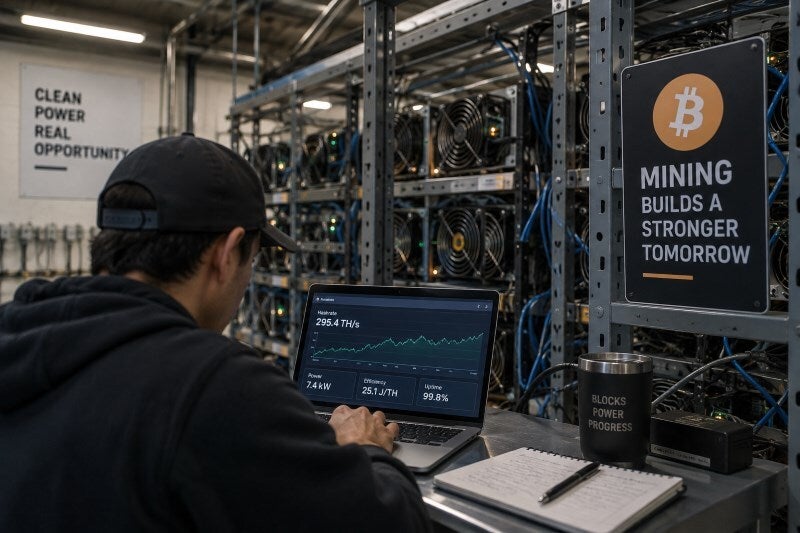
Crypto Mining Contract Disputes can arise when mining equipment is never delivered, ASICs perform below promised specifications, a hosting facility changes electricity rates, machines remain offline, mining rewards disappear, or an operator fails to pay an agreed share of revenue. For California miners, investors, hosting companies, and equipment sellers, these cases usually turn on the written agreement, equipment records, power usage, pool data, wallet history, and what each party actually promised.
Mining also depends heavily on physical infrastructure. Electricity, cooling, network connectivity, real estate, and utility access can create legal issues beyond cryptocurrency itself, as shown by the broader discussion of blockchain mining, energy use, and California's evolving legal landscape.
Quick answer
Crypto mining contract disputes may support claims for breach of contract, unpaid revenue, equipment defects, misrepresentation, or other commercial remedies depending on the facts. The strongest evidence usually includes hosting agreements, ASIC purchase records, uptime and hashrate logs, electricity charges, mining-pool statements, and wallet transactions. Revenue-sharing arrangements can create additional securities issues when customers are promised passive returns from an operator's mining activities.
How Crypto Mining Contract Disputes Usually Begin
Mining businesses often combine several contracts into one commercial relationship. A customer may buy ASIC miners from one company, pay another company to host them, authorize the host to select a mining pool, and agree that mined Bitcoin will be divided according to a revenue-sharing formula.
Common disputes include:
- Mining rigs that are never delivered or installed.
- Used or lower-specification hardware being substituted for promised equipment.
- Unexpected electricity or hosting fee increases.
- Extended downtime without credits or compensation.
- Hashrate substantially below represented performance.
- Disagreements over repair and replacement costs.
- Mining rewards being sent to the wrong wallet.
- Operators withholding or underreporting customer revenue.
- Customers being denied access to equipment they claim to own.
Because Bitcoin mining operates within the broader network infrastructure, disputes can also involve questions about miners, nodes, transaction processing, and regulatory pressure. Those issues appear in the firm's analysis of legal risks facing Bitcoin node operators and mining businesses.
Mining Hosting Agreements Need More Than an Electricity Rate
A mining hosting agreement should identify much more than the monthly price per machine. Important provisions may address power rates, uptime, curtailment, maintenance, internet connectivity, cooling, insurance, security, access to the facility, equipment removal, repair authorization, termination, and liability for damaged hardware.
Large mining sites increasingly resemble specialized data centers. Contracts therefore may confront many of the same infrastructure problems seen in high-density data center development and equipment procurement, including power availability, cooling capacity, performance specifications, vendor warranties, and service interruptions.
A vague promise of “99 percent uptime” can also create disputes if the contract never explains whether scheduled maintenance, utility curtailment, internet failure, overheating, or pool outages count toward downtime.
Who Owns the Mining Equipment?
Technical possession and legal ownership are not always the same. A mining host may physically control thousands of ASIC machines that belong to customers, investors, lenders, or affiliated companies.
A dispute may require reviewing purchase invoices, serial numbers, shipping records, financing documents, warehouse records, insurance schedules, and the hosting agreement. Machines should ideally be identifiable by model and serial number rather than simply described as a customer's share of a larger fleet.
This distinction becomes especially important if a host becomes insolvent, refuses equipment retrieval, or claims a contractual lien for unpaid electricity or hosting charges.
Defective ASIC Miners and Equipment Purchase Claims
California's Commercial Code may apply to transactions involving the sale of mining equipment as goods, depending on the transaction. Written warranties, product descriptions, specifications, invoices, disclaimers, and limitation-of-remedy clauses can become central evidence.
A buyer may argue that equipment failed to match promised hashrate, energy efficiency, model, condition, or quantity. A seller may respond that performance depended on firmware, temperature, voltage, mining difficulty, pool configuration, or operating conditions outside its control.
Understanding the technical mechanics matters because Bitcoin mining relies on cryptographic hashing. The firm's discussion of SHA-256 and digital-asset evidence provides useful background when a dispute depends on mining performance and blockchain records.
Hashrate and Downtime Disputes
Hashrate is often the economic heart of a hosting contract. If a customer pays to operate equipment producing a specified level of computational power but the machines remain offline, the resulting dispute may involve both direct hosting fees and alleged lost mining revenue.
Proving lost revenue can be difficult because mining results depend on variables such as Bitcoin price, network difficulty, transaction fees, pool luck, machine efficiency, and actual operating time.
Useful evidence may include:
- Mining-pool dashboards.
- Machine-level hashrate logs.
- Power consumption records.
- Temperature and maintenance logs.
- Wallet payment histories.
- Network difficulty during the disputed period.
- Contemporaneous Bitcoin prices.
When litigation follows, blockchain transactions may establish payment timing while off-chain records establish the operational explanation. Similar evidentiary issues arise in the use of blockchain evidence in court.
Mining Revenue-Sharing Disputes
Some agreements provide that the operator will run mining equipment and pay the customer a percentage of the resulting cryptocurrency. Disputes may arise over gross versus net revenue, electricity deductions, pool fees, management charges, repair expenses, reserve funds, or the exchange rate used when payments are converted to dollars.
The contract should ideally state:
- Which mining pool will calculate production.
- Which wallet receives the initial rewards.
- How frequently customers are paid.
- Which expenses may be deducted.
- How revenue can be independently verified.
- Whether the customer owns specific equipment or only a contractual revenue interest.
When customers contribute money and depend primarily on the operator to purchase, host, maintain, and operate the mining equipment for an expected return, securities questions may also arise. The analysis depends on the particular transaction, as explained in the firm's discussion of digital assets and the investment-contract framework.
Protocol Mining Is Not the Same as a Mining Investment Scheme
Direct participation in proof-of-work protocol mining should not automatically be confused with purchasing a passive investment in somebody else's mining company. Current federal guidance distinguishes protocol mining activity from transactions that may independently involve an investment contract.
This distinction matters because regulators have pursued mining businesses that allegedly sold hosting or investment arrangements while making false claims about available equipment, returns, or use of investor funds.
A legitimate mining operator should therefore keep accurate business records and avoid presenting variable mining economics as guaranteed income. Broader preparation for government review is discussed in crypto business regulatory readiness and compliance planning.
Electricity Costs Can Change the Entire Deal
Mining profitability can disappear quickly when electricity rates rise. Hosting contracts should explain whether the energy price is fixed, variable, indexed to utility charges, or subject to additional demand, transmission, tax, or curtailment costs.
A host may argue that the agreement permits increased electricity charges. A customer may argue that a promised fixed rate was changed improperly or that undisclosed fees were added after the machines became difficult to relocate.
These disputes can become especially complicated when the host has long-term power agreements, renewable-energy arrangements, or environmental commitments. The interaction between blockchain infrastructure and energy policy is part of the broader framework discussed in blockchain, climate, and energy-related legal planning.
Mining Revenue Creates Tax Records Too
Mining contract disputes should not ignore tax records. The IRS treats digital assets as property for federal tax purposes and requires taxpayers to report digital-asset income, including income received through mining activities.
For a California miner, records of when cryptocurrency was received, its value, business expenses, equipment purchases, and later dispositions can become relevant both for tax compliance and for proving damages in a contract dispute. The firm's California cryptocurrency taxation guide addresses mining income as part of the broader digital-asset tax framework.
When business records do not match exchange or blockchain data, regulatory scrutiny may extend beyond the private contract dispute. The discussion of IRS and FinCEN investigations involving crypto businesses explains why accurate records can matter long after the original mining payment.
Which State's Law Controls a Mining Contract?
A California customer may buy machines from a company in one state, host them in another state, and receive mining rewards from a pool operated elsewhere. The contract may also specify a particular governing law and forum.
Choice-of-law provisions can materially affect commercial disputes, especially between sophisticated businesses. California has specific rules addressing certain contractual choice-of-law provisions, which are discussed in the firm's analysis of choice-of-law clauses in commercial contracts.
When defendants, equipment, wallets, and mining operations span several jurisdictions, the analysis can also require reviewing jurisdictional challenges in digital-asset disputes.
Can a Mining Contract Require Arbitration?
Yes, many hosting, equipment, investment, and service agreements contain arbitration clauses. Whether a particular provision is enforceable and covers the dispute depends on the contract and applicable law.
Before filing suit, the parties should review dispute-resolution language, notice requirements, venue, governing law, limitations on damages, and whether emergency court relief remains available. Similar questions arise throughout crypto arbitration disputes involving private dispute-resolution clauses.
Evidence to Preserve in Crypto Mining Contract Disputes
Miners, hosts, and investors should preserve:
- The complete signed contract and amendments.
- ASIC invoices and serial numbers.
- Shipping and installation records.
- Hosting invoices and electricity statements.
- Hashrate, uptime, temperature, and maintenance logs.
- Mining-pool account records.
- Wallet addresses and transaction hashes.
- Revenue-sharing calculations.
- Emails, support tickets, and chat messages.
- Photos or video of the equipment and facility.
Evidence should be preserved before dashboards disappear, employees leave, equipment moves, or account access is terminated.
Crypto Mining Contract Disputes lawyers in California
Crypto Mining Contract Disputes can combine ordinary commercial contract law with specialized questions about ASIC ownership, electricity pricing, hashrate, mining pools, blockchain evidence, tax reporting, and digital-asset revenue.
Bulldog Law helps miners, hosting businesses, investors, equipment purchasers, and other crypto companies evaluate disputes involving mining equipment, hosting agreements, revenue-sharing arrangements, unpaid Bitcoin, and related digital-asset contracts. Early review can help preserve operational records, identify the controlling agreements, and determine what claims or defenses may be available. No particular recovery or outcome can be guaranteed.