
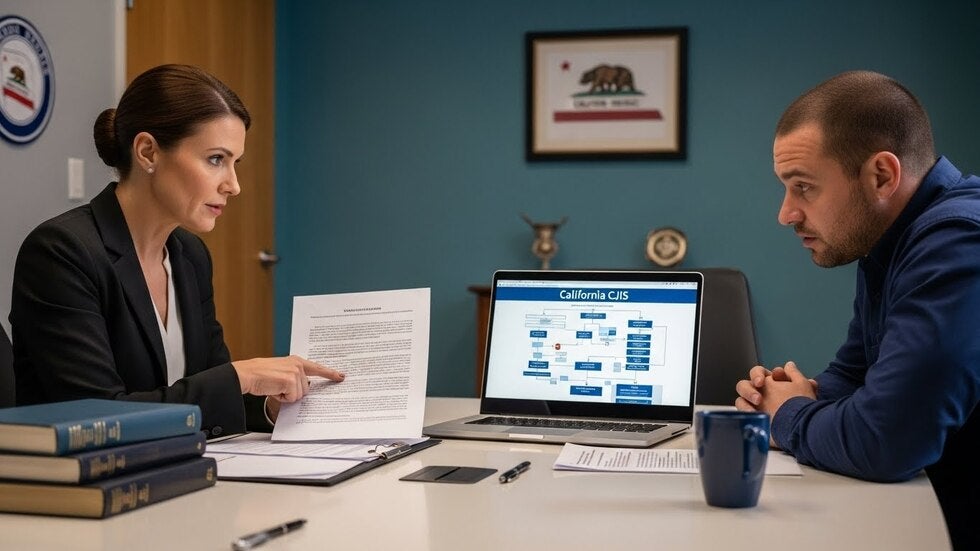
The Foundation of Criminal Record Management in California
California Penal Code Section 13100 establishes the legislative framework for how criminal justice agencies collect, store, and share information about arrests and convictions throughout the state. While this statute might seem like dry administrative language, it has profound implications for anyone facing criminal charges and their legal representation.
This legislation emerged from a recognition that California's criminal justice system needed standardized methods for tracking criminal offender records. For defense attorneys and their clients, understanding how this system works is essential to protecting constitutional rights and ensuring fair treatment throughout the legal process.
Why Criminal Record Information Matters to Your Defense
When you're arrested in California, information about that arrest immediately enters a complex network of databases and reporting systems. The stated purpose of Penal Code Section 13100 is to ensure that law enforcement agencies, courts, and other governmental bodies have access to "accurate and reasonably complete criminal offender record information."
From a defense perspective, this creates both challenges and opportunities. While the system is designed to help prosecutors and law enforcement quickly access your criminal history, it also establishes standards that can work in your favor when records contain errors or incomplete information.
The Double Edged Sword of Information Accessibility
The statute emphasizes that policing agencies and courts require "speedy access" to information about felony arrests and certain misdemeanor cases. This rapid information sharing means that prosecutors often have comprehensive background information before your first court appearance. However, the same system that provides this quick access also requires that information be accurate and complete.
Defense attorneys can challenge cases where the information used against defendants is incomplete, outdated, or simply wrong. The emphasis on accuracy in Section 13100 provides a foundation for demanding that prosecutorial decisions be based on correct information rather than flawed data.
What Gets Recorded and Why It Matters
California's criminal record system doesn't just track convictions. According to the legislative findings, the system captures information about "all felony and selected misdemeanor arrests" along with the "final dispositions" of these cases. This comprehensive approach means that even if charges are dismissed or you're found not guilty, records of your arrest may still exist in various databases.
Understanding what information enters the system and when is crucial for several reasons. First, these records can affect bail decisions, plea negotiations, and sentencing recommendations. Second, criminal records follow you long after your case concludes, potentially impacting employment, housing, and professional licensing.
The Importance of Final Dispositions
The statute specifically mentions that the system should track final dispositions of criminal cases. This is critically important for defendants because it means the system should reflect not just arrests but outcomes. When charges are reduced, dismissed, or result in acquittal, that information should appear in your criminal record.
Unfortunately, disposition information doesn't always make it into databases as reliably as arrest information. Defense attorneys regularly encounter situations where clients have old arrests showing up in background checks without any indication that those cases were dismissed or resulted in not guilty verdicts. This gap between what the law requires and what actually happens creates ongoing challenges for people with arrest records.
Legislative Intent and Aggregate Data Collection
Beyond individual case tracking, Section 13100 addresses the need for "greatly improved aggregate information" to help the Legislature and policymaking bodies make informed decisions. This means your case becomes part of larger statistical analyses that influence criminal justice policy.
From a defense standpoint, this aggregate data collection has both positive and negative implications. On one hand, comprehensive data can reveal systemic problems like racial disparities in arrests and sentencing, overcharging by certain prosecutors' offices, or patterns of wrongful arrests. This information can support broader criminal justice reform efforts.
On the other hand, aggregate data can be misused to justify harsh policies or increased enforcement in certain communities. Defense advocates must remain vigilant about how criminal justice data gets interpreted and applied in policymaking contexts.
The Push for Uniformity and Efficiency
A central theme of Penal Code Section 13100 is making California's criminal record systems "more uniform and efficient" with better "control and coordination." For defendants, this standardization can cut both ways.
Uniform systems theoretically mean that everyone gets treated according to the same standards regardless of where in California they're arrested or prosecuted. This can prevent some forms of geographic disparity in how cases are handled. However, efficiency in criminal record keeping also means that mistakes, once entered into the system, can spread quickly across multiple databases and jurisdictions.
When Efficiency Compromises Accuracy
The tension between efficiency and accuracy is real in California's criminal justice information systems. Rapid data sharing serves law enforcement interests, but it can also mean errors propagate faster than corrections. Defense attorneys frequently deal with situations where incorrect information from one database has contaminated others, creating a web of misinformation that takes considerable effort to untangle.
The emphasis in Section 13100 on both efficiency and accuracy suggests the Legislature recognized this potential problem. However, the statute doesn't provide meaningful remedies when the system fails to live up to its accuracy requirements. That's where skilled defense representation becomes essential.
Access to Detailed Criminal Histories
The statute notes that criminal justice agencies may require "regular access to detailed criminal histories relating to any felony arrest that is followed by the filing of a complaint." This means that once a felony complaint is filed, your entire criminal history becomes readily available to prosecutors, judges, and other criminal justice personnel.
For defendants with prior records, this creates significant challenges. Previous arrests, even those that didn't result in convictions, may influence how prosecutors approach your current case. Understanding what information is accessible and how it might be used is an important part of developing effective defense strategies.
Protecting Your Rights in an Information Rich Environment
While you cannot prevent the sharing of accurate criminal history information authorized by law, you have rights regarding how that information gets used. Prior arrests that didn't result in convictions generally cannot be used as evidence of guilt in your current case. Similarly, expunged or sealed records should not be accessible for most purposes.
A knowledgeable defense attorney will review what criminal history information prosecutors have accessed and ensure it's being used appropriately. This includes challenging the admission of improper evidence and filing motions to exclude prejudicial information that has minimal relevance to current charges.
The Broader Implications for Criminal Defense
California Penal Code Section 13100 reflects a fundamental reality of modern criminal justice: information is power. The state has invested heavily in systems designed to collect, store, and share information about people accused of crimes. While the stated purpose is improving the accuracy and effectiveness of the criminal justice system, the practical effect is creating a permanent digital record of every interaction with law enforcement.
For anyone facing criminal charges, this underscores the importance of skilled legal representation from the earliest stages of a case. The decisions made and actions taken immediately after an arrest can affect not just the outcome of your current case but your criminal record for years to come.
Understanding how California's criminal justice information systems function what they are designed to do and where they often fail empowers defendants to make informed decisions about their cases. While Penal Code Section 13100 establishes the statutory framework for these systems, ensuring they operate fairly and accurately frequently requires vigilant advocacy by both defense counsel and their clients.
For experienced guidance on criminal justice information systems, Penal Code Section 13100 issues, and defense advocacy in California, visit thebulldog.law or call (888) 928-1609 for a confidential consultation.