
By the The Bulldog Law Criminal Defense Team • Reviewed by a licensed California criminal defense attorney
PROBATION is a sentence served in the COMMUNITY granted by a judge at sentencing INSTEAD of (or alongside brief) custody, supervised by the court and county probation, and revocable back to the suspended sentence.
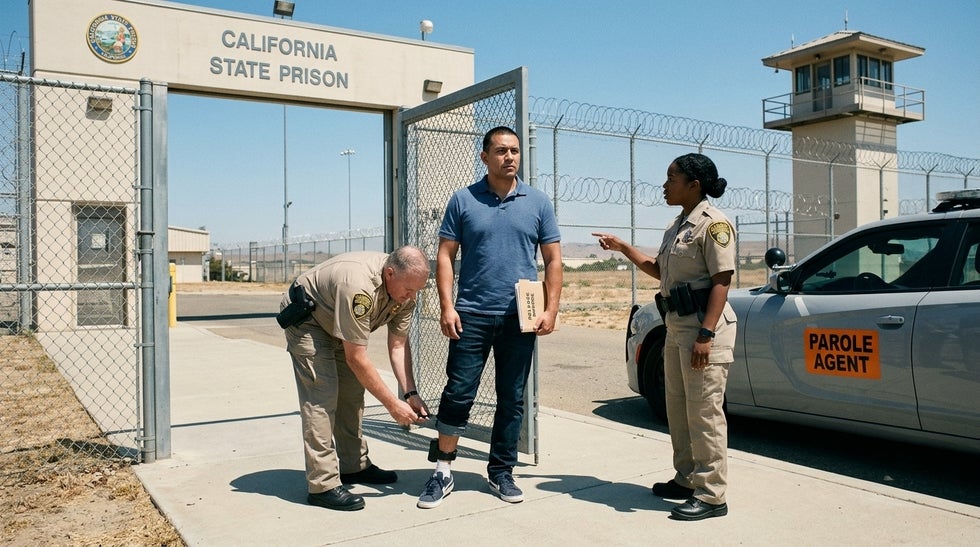
PAROLE is supervised RELEASE AFTER PRISON administered by state corrections (CDCR) and, for life-sentenced people, granted by the Board of Parole Hearings a tail on the sentence, not an alternative to it.
Same vocabulary of conditions and officers, completely different machines: different SUPERVISORS (county probation officer and the sentencing judge, versus a state parole agent and administrative revocation), different ENTRY doors (a judge's discretionary grant, versus statutory release or a board's decision), different VIOLATION systems (a court revocation hearing with the suspended sentence waiting, versus parole holds, flash incarceration, and capped county revocation terms), and different ENDINGS (early termination motions versus discharge dates and board review).
And California built a THIRD lane most explainers skip: PRCS Post-Release Community Supervision under 2011's realignment, most people leaving prison for non-serious, non-violent, non-high-risk-sex offenses report NOT to state parole but to COUNTY probation departments, under parole-like conditions with probation-style local revocation: the answer to the daily confusion of “why is my brother out of prison but seeing a probation officer?” This guide from The Bulldog Law's criminal defense practice companion to our complete probation pillar maps every difference that matters: supervision, conditions, violations, lengths, and the exits.
The Differences, Side by Side
- Position in the sentence probation REPLACES prison (execution or imposition suspended the suspended term is the leverage); parole and PRCS FOLLOW prison the custody already happened, supervision is the tail.
- Who supervises and who decides probation: the sentencing COURT owns the case; violations return to a judge. Parole: CDCR agents supervise; revocations run through court under realignment but with parole's own hold-and-flash machinery; LIFE-sentence parole adds the Board of Parole Hearings suitability hearings, psych evaluations, and the governor's review - the system our lifer-parole guide covers, with special tracks like elderly parole and youth-offender parole layered on.
- Lengths probation: generally capped at 1 year for misdemeanors and 2 for most felonies since AB 1950 (the pillar has the exceptions); parole: commonly up to 2-3 years for determinate terms (longer tails for serious categories, lifetime parole for certain life offenses); PRCS: up to 3 years with earned early discharge at clean intervals.
- Conditions and search status both lanes carry Fourth-Amendment-waiver searchability, association and travel limits, and program terms - parole's standard conditions (GPS for some categories, stricter travel, agent home visits) run harsher, and BOTH make the supervised person's home searchable, the fact roommates and families need to hear with everything that implies for firearms in the household.
- Violations - the biggest practical difference: PROBATION violations go to the judge (preponderance standard, no jury) with the FULL suspended sentence as the ceiling the entire high-stakes process here; PAROLE/PRCS violations trigger holds and FLASH INCARCERATION (up to 10 days imposed administratively our flash guide) with formal revocations capped around 180 days county time - EXCEPT life-parole, where a violation can mean return toward the board and the indeterminate term. Translation: probation violations risk MORE custody but come with more process; parole violations move FASTER with less.
- The exits probation: early-termination motions (often paired with expungement, which requires probation's completion and 17(b) reductions); parole/PRCS: discharge by statute, earned early discharge, and board decisions with record relief following its own separate rules after prison terms.
Frequently Asked Questions
Which is stricter parole or probation?
Different kinds of strict. Parole supervision is operationally harsher: state agents, home visits, GPS for some categories, tighter travel, and violation machinery (holds, flash incarceration) that moves in days without a jury. Probation is procedurally heavier where it counts: violations go before a judge with the FULL suspended sentence available so a probation violation can cost years while a standard parole revocation is capped around 180 county days (life-parole excepted, where the board and the indeterminate term wait). Day to day, parolees feel more watched; at violation time, probationers face bigger ceilings with more process. Both make you searchable, both make your home searchable, and both reward the same discipline: conditions kept, check-ins made, counsel called at the first sign of a violation allegation.
Can you get parole instead of probation or choose between them?
No - they're not alternatives on the same menu: probation is a sentencing decision (the judge suspends prison and supervises you in the community); parole is what follows prison when probation was denied or unavailable. The real choice-point is SENTENCING: fight for probation (or a local split sentence) and prison never happens; lose that fight and supervision comes afterward as parole or PRCS by operation of law. That's why the sentencing presentation mitigation, treatment plans, support letters, the probation-report interview handled with counsel - is its own campaign: it decides not just custody but which entire supervision SYSTEM governs the next several years of your life.
What is PRCS and why is my family member on ‘probation' after prison?
Post-Release Community Supervision realignment's third lane: since 2011, people finishing prison terms for non-serious, non-violent, non-high-risk-sex offenses are released to COUNTY probation-department supervision instead of state parole. It looks like parole (conditions, searchability, up to 3 years) but runs locally: county officers, local revocation courts, flash incarceration up to 10 days for violations, formal revocations capped at 180 county days and earned early discharge for sustained clean time (continuous violation-free periods trigger discharge review). So ‘out of prison but reporting to probation' is PRCS working as designed. The rules that matter: know the exact conditions in writing, report flawlessly early (the early months decide the tone), and get counsel the moment any violation is alleged the local process moves fast.
What happens if you violate parole vs. violating probation?
Probation violation: a court process arrest or notice, a revocation hearing before the judge (preponderance standard, no jury), and the full suspended sentence as the maximum, with outcomes ranging from reinstatement with modifications to imposition of the stayed term; our probation-violation guide walks the whole fight. Parole/PRCS violation: an administrative-speed process a hold, possible flash incarceration up to 10 days imposed by the agency, and formal revocations capped around 180 days county time, except life-parole where violations risk return toward the board and the life term. Both systems stack any NEW crime as its own case on top. Universal advice: never abscond (it converts problems into warrants and tolls your term), document compliance continuously, and treat the first violation allegation as the emergency it is early counsel resolves what silence escalates.
Probation and parole share a vocabulary and almost nothing else different judges of your conduct, different clocks, different ceilings when things go wrong. Know which system owns you (or your family member), learn its exits, and work them early.
The Bulldog Law's criminal defense team handles sentencing advocacy, violations, and supervision issues across all three lanes, statewide. Contact the firm online or call (888) 928-1609.