
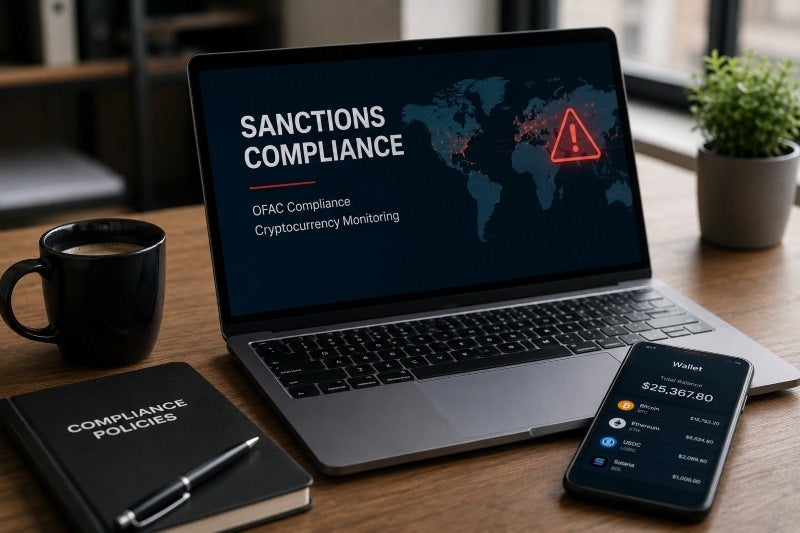
Crypto sanctions compliance is a serious legal issue for exchanges, wallet providers, DeFi projects, investors, founders, and ordinary users who move digital assets across blockchain networks. The Office of Foreign Assets Control, known as OFAC, administers U.S. sanctions programs that can apply to cryptocurrency transactions, wallet addresses, exchanges, mixers, token projects, and counterparties connected to sanctioned persons or jurisdictions.
For California users and companies, the risk is not limited to large institutions. A blocked wallet address, a sanctioned exchange, a high-risk DeFi protocol, or a payment from a prohibited counterparty can create account freezes, rejected transactions, tax complications, civil penalties, criminal exposure, and asset seizure issues. The right response depends on who is involved, where the assets came from, and whether the transaction must be blocked, rejected, reported, investigated, or defended.
Crypto sanctions compliance and OFAC basics
OFAC sanctions can prohibit U.S. persons from dealing with certain individuals, entities, governments, regions, vessels, aircraft, exchanges, or other blocked property. U.S. persons generally include U.S. citizens, lawful permanent residents, entities organized under U.S. law, and persons located in the United States. Depending on the sanctions program, foreign persons can also face risk when they cause U.S. persons to violate sanctions or use U.S. financial systems.
In crypto cases, sanctions issues may involve:
- A wallet address listed by OFAC
- A counterparty who appears on the Specially Designated Nationals and Blocked Persons List
- An entity owned 50 percent or more by one or more blocked persons
- A sanctioned exchange, mixer, broker, or payment service
- Funds connected to ransomware, terrorism financing, narcotics trafficking, cybercrime, or sanctions evasion
- Transfers involving a comprehensively sanctioned jurisdiction or prohibited region
- DeFi protocols or smart contracts used to obscure source, ownership, or destination of funds
OFAC can list digital currency addresses associated with blocked persons, but listed addresses may not be exhaustive. A transaction can still create sanctions risk even when the exact wallet address does not appear on a public list, especially if other facts show a blocked person or prohibited jurisdiction is involved.
Why crypto sanctions compliance matters for exchanges
Centralized exchanges, brokers, custodians, payment processors, and hosted wallet providers often use sanctions screening tools to review customers, wallet addresses, deposits, withdrawals, IP addresses, and transaction history. When a transaction is flagged, the platform may pause withdrawals, ask for source-of-funds records, block property, reject a transfer, or close an account.
A customer facing a crypto exchange account freeze should not assume the issue is only customer service. A sanctions flag can involve legal reporting obligations, internal compliance review, blockchain analytics, law enforcement inquiries, or asset preservation.
Exchanges may ask for documents showing:
- The source of funds
- The purpose of the transaction
- The identity of counterparties
- Wallet ownership and control
- Business activity connected to the transfers
- Prior exchange records and tax documents
- Proof that funds are not tied to sanctioned persons, regions, or prohibited services
Responses should be accurate and documented. False explanations, altered screenshots, fake invoices, or incomplete wallet histories can create additional risk beyond the original sanctions alert.
Wallet providers, self-custody, and sanctions screening
Self-custody does not eliminate sanctions risk. A person who controls private keys may still violate sanctions by transferring value to or from a blocked person, sanctioned exchange, prohibited jurisdiction, or wallet connected to sanctioned activity. Non-custodial wallet software may not screen every transaction, which means the user may bear more responsibility for understanding the counterparty and transaction history.
Disputes over who controlled assets can become important when funds move through hosted wallets, hardware wallets, business wallets, DAO treasuries, or third-party custody services. A broader crypto custody dispute may require reviewing private key control, platform terms, account records, transaction hashes, and whether a provider blocked, rejected, or mishandled digital assets.
Wallet users should preserve records showing why a transfer occurred, who requested it, what address was used, and what diligence was performed. This can matter if an exchange later freezes funds or if the user must explain wallet activity to a regulator, investigator, tax authority, or court.
Crypto sanctions compliance risks in DeFi
DeFi creates unique sanctions compliance problems because transactions may occur through smart contracts, liquidity pools, decentralized exchanges, lending protocols, bridges, wrappers, and automated market makers. A user may interact with a protocol without knowing who supplied liquidity, where funds came from, or whether assets passed through high-risk wallets.
Sanctions risk in DeFi may involve:
- Smart contracts associated with sanctioned activity
- Liquidity pools funded by blocked persons
- Bridge transactions that obscure source and destination
- Tokens received from unknown wallets
- Yield farming rewards linked to prohibited counterparties
- Governance actions involving sanctioned participants
- Front-end access, APIs, or hosted interfaces operated by U.S. persons
DeFi activity can also create tax reporting issues. Swaps, rewards, lending, liquidity pools, and wrapped assets may need to be reconciled with DeFi tax reporting records, especially when an account freeze or investigation interrupts access to transaction history.
Blocked, rejected, and frozen crypto transactions
Sanctions compliance often turns on whether a transaction must be blocked or rejected. Blocking generally means the property must be frozen and not transferred, paid, exported, withdrawn, or otherwise dealt in without authorization. Rejecting generally means the transaction is not processed, but the property is not necessarily taken into blocked custody. The correct treatment depends on the sanctions program, the property interest, the parties, and the transaction structure.
For virtual currency, blocking can mean placing the digital asset in a secure wallet or account where it cannot be transferred without authorization. A person or company may also have reporting obligations to OFAC after blocking or rejecting a transaction. Because mistakes can create penalties, the decision should be documented carefully.
Practical questions include:
- Is a blocked person involved?
- Does a blocked person have an interest in the assets?
- Is the entity owned 50 percent or more by blocked persons?
- Is the transaction prohibited by a country-based or activity-based sanctions program?
- Is there a general license or specific license that applies?
- Should the transaction be blocked, rejected, escalated, or reported?
Tax records, Form 1099-DA, and sanctions-related freezes
A sanctions freeze does not make tax issues disappear. A taxpayer may still need records showing acquisition dates, basis, fair market value, sales, swaps, rewards, losses, and transfers. Beginning with covered broker transactions, many digital asset users may receive Form 1099-DA reporting information that must be reconciled with their own records.
Taxpayers dealing with new reporting forms should understand Form 1099-DA crypto reporting and how broker records may differ from wallet records. A broader review of crypto taxes in 2026 may be needed when sanctions issues affect access to statements, withdrawals, or transaction histories.
If assets become inaccessible, stolen, frozen, or worthless, the tax treatment depends on the facts. A taxpayer should be careful before claiming losses without support. Issues involving how to report cryptocurrency losses may require evidence of sale, theft, abandonment, worthlessness, or other qualifying events.
If the IRS contacts a taxpayer about crypto records, sanctions issues can make the response more sensitive. A careful crypto tax audit defense strategy should account for wallet histories, exchange reports, blocked assets, and any legal risk from explaining counterparties or sources of funds.
Staking rewards, airdrops, and OFAC screening
Staking, validator rewards, liquidity incentives, and airdrops can create sanctions questions when rewards come through protocols, validators, pools, or counterparties with unclear ownership. A user may not know every person involved in a staking pool or DeFi reward stream, but the lack of visibility does not eliminate compliance risk.
Tax and sanctions records should be kept together. A person who receives taxable staking rewards should preserve information showing the date received, asset type, fair market value, wallet address, protocol, validator or platform, and any compliance review performed.
Airdrops can create similar problems because tokens may appear in a wallet without a traditional contract or invoice. Users should avoid interacting with unknown tokens or connecting wallets to suspicious claim sites, especially when airdrops are linked to high-risk jurisdictions, sanctioned actors, or malicious smart contracts.
Scams, theft, and sanctions-contaminated funds
Victims of crypto theft or scams sometimes receive funds, settlement offers, or recovery promises from unknown wallets. Those funds may be stolen, laundered, or sanctions-contaminated. Accepting or moving them without diligence can make a victim's situation worse.
A person trying to recover stolen cryptocurrency should preserve transaction hashes, wallet addresses, exchange communications, police reports, and blockchain tracing. Victims of pig butchering crypto scams should be especially cautious when a fake platform demands more money to unlock funds or claims taxes, sanctions, or compliance fees must be prepaid.
The same risk appears after a SIM swap crypto theft, a fake crypto exchange scam, or a malicious wallet drainer. A victim may be contacted by supposed recovery agents who offer to retrieve assets from overseas wallets, mixers, or sanctioned platforms. Many of these offers are part of a secondary crypto recovery scam.
Wrong-wallet transfers and sanctions flags
A mistaken transfer can become more serious if the receiving address is linked to a sanctioned person, high-risk exchange, mixer, or prohibited jurisdiction. Even when the sender made an honest mistake, the transaction history may trigger exchange freezes, compliance questions, or law enforcement interest.
When crypto is sent to the wrong wallet address, the sender should preserve the transaction hash, intended recipient address, actual recipient address, communications, screenshots, and exchange records. If the receiving address appears connected to sanctions risk, the sender should avoid further contact or additional payments until the legal situation is reviewed.
Government seizure and criminal exposure
Sanctions issues can lead to government action. If agents believe cryptocurrency is connected to a blocked person, sanctions evasion, fraud, money laundering, ransomware, terrorism financing, or another offense, they may seek warrants, subpoenas, restraining orders, forfeiture, or seizure of digital assets.
Questions about whether federal agents can seize cryptocurrency may involve probable cause, blockchain tracing, custody of private keys, exchange records, and forfeiture procedures. A person contacted by law enforcement should avoid guessing about wallet history, counterparties, or source of funds.
Sanctions cases can overlap with tax, fraud, money laundering, and cybersecurity investigations. Statements made to an exchange, investigator, accountant, or counterparty may later be reviewed in a government case. Preserving records and getting advice before responding can reduce the risk of inconsistent or harmful statements.
Where OFAC crypto sanctions issues are handled
OFAC is part of the U.S. Department of the Treasury and administers sanctions programs at the federal level. Reports, license requests, and sanctions compliance communications are generally handled through OFAC's procedures. OFAC has an office at the U.S. Department of the Treasury, 1500 Pennsylvania Avenue NW, Washington, DC 20220. This government agency acts independently and has no affiliation with Bulldog Law.
Related matters may also involve the Department of Justice, IRS Criminal Investigation, Homeland Security Investigations, the FBI, the SEC, the CFTC, FinCEN, or federal courts, depending on the facts. In California, federal criminal or civil seizure matters may proceed in the United States District Court for the Central District of California, including the First Street courthouse at 350 West 1st Street, Los Angeles, CA 90012, or in another appropriate federal district.
A sanctions issue may also appear first as an exchange support ticket, account freeze, tax audit, subpoena, bank inquiry, or customer complaint. The forum matters because each process has different deadlines, risks, and evidence rules.
Practical crypto sanctions compliance steps
Crypto businesses and users should take sanctions risk seriously before funds move. A practical compliance approach may include screening, documentation, escalation procedures, and careful recordkeeping.
- Screen customers, counterparties, and wallet addresses where appropriate
- Review geography, IP data, shipping information, and business records for sanctions indicators
- Use blockchain analytics where risk justifies it
- Document source-of-funds and source-of-wealth information
- Escalate high-risk transactions before processing withdrawals
- Preserve transaction hashes, wallet addresses, exchange records, and communications
- Train staff to recognize sanctions red flags
- Do not alter records or create false explanations after a freeze
- Consider whether blocking, rejecting, reporting, or a license request may be required
No compliance tool is perfect. A low-risk retail user, a California startup, a token founder, and a centralized exchange may need different procedures. The key is to create a process that matches the risk and produces reliable records if OFAC, the IRS, law enforcement, or a court asks questions later.
Crypto sanctions compliance lawyers in California
Crypto sanctions compliance can involve OFAC rules, exchange freezes, DeFi transactions, tax reporting, asset recovery, wallet tracing, fraud claims, government seizure, and criminal exposure. The right strategy depends on whether the issue is a routine compliance alert, a blocked asset, a rejected transaction, a scam-related transfer, or a government investigation.
Bulldog Law helps clients evaluate California crypto matters involving sanctions flags, frozen accounts, stolen assets, tax issues, wallet mistakes, exchange disputes, and government seizure. The firm can review transaction records, wallet histories, exchange notices, tax documents, and communications to help identify practical next steps.